The country is experiencing a severe heat wave and has tightened its control over Uttar Pradesh. Banda has recorded a blistering 48.2 degrees Celsius as summer in a major heatwave has turned it into the hottest city in India.
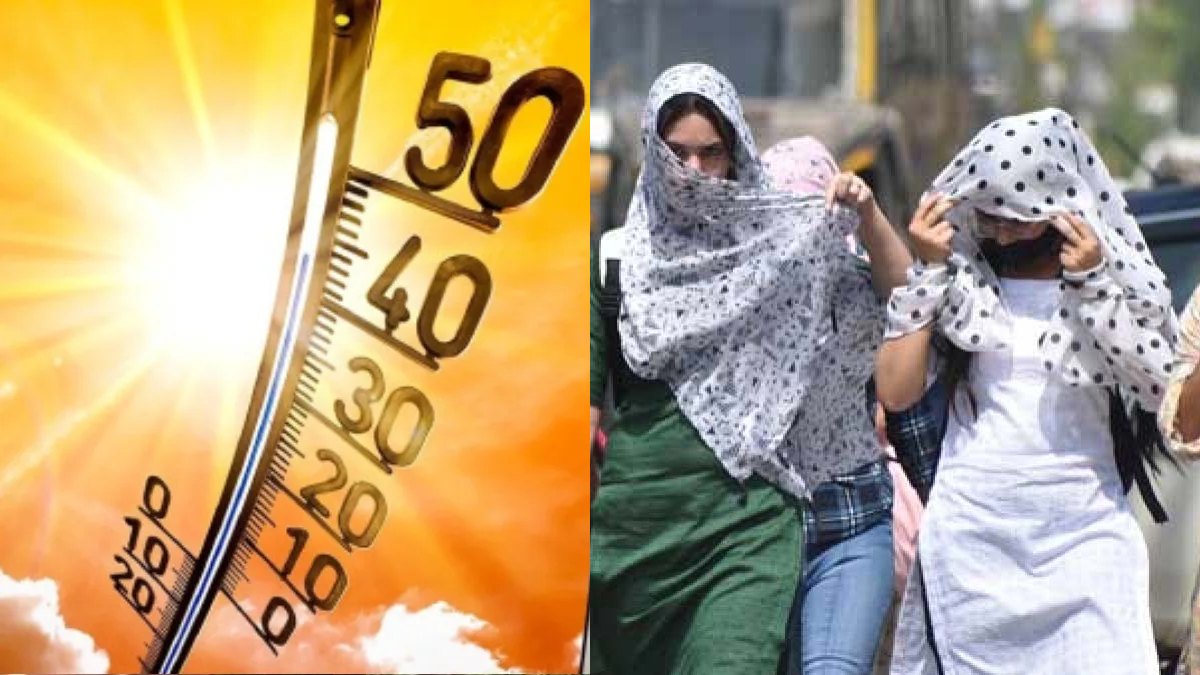
For various sub-metropolitan areas, India's Indian Red Alerts, the rapid warming of June-March temperature has forced the IMD to issue a warning to multiple districts across the state and told people who live there to see immediately about their lives from being destroyed by extreme heat conditions.
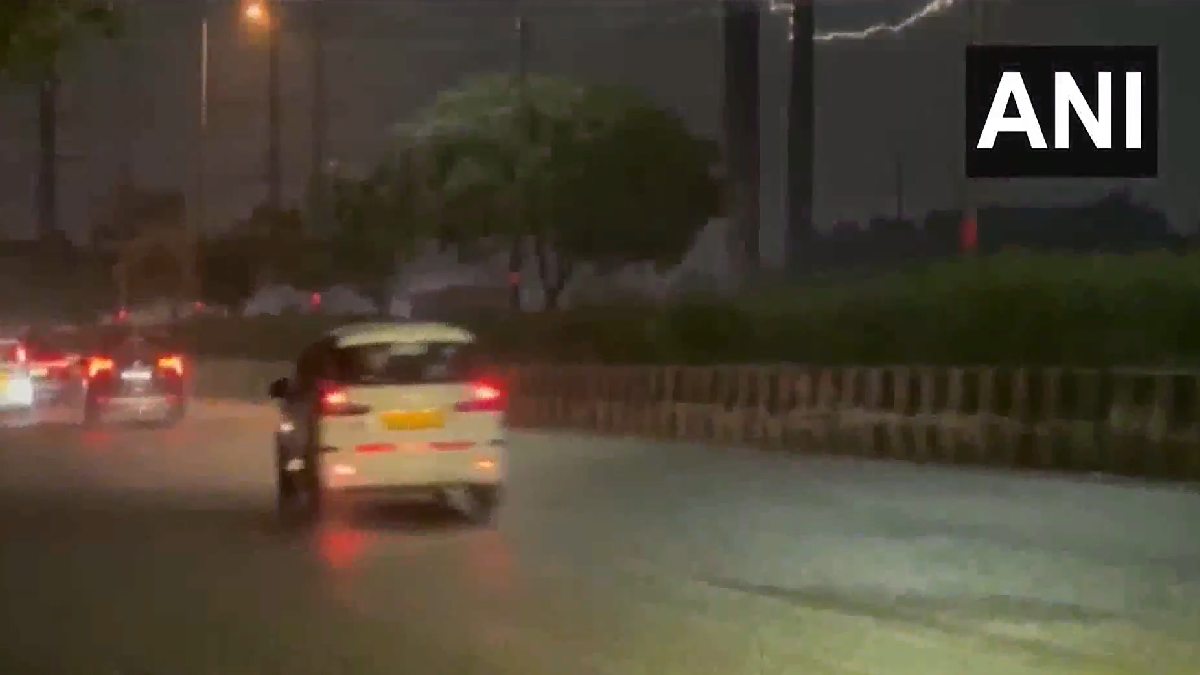
The city of Banda, along with the surrounding areas, was forced to go without any food or sleep for over one hour after school, which was very hot. There were signs, such as road signs of rain across Banda, to tell people in close neighbourhoods that their homes might disappear.
These hot winds, often referred to as “loo,” swirled along the state, making people more uncomfortable and placing their lives at a greater risk of heat stroke and dehydration. This is because the temperatures from central India and its northern areas have stayed well above the seasonal averages owing to a combination of dry atmosphere and persistently warm weather patterns, officials said.
In collaboration with Banda, several other cities in Uttar Pradesh, Rajasthan, Madhya Pradesh, and Delhi have also experienced very hot temperatures rising to over 45 degrees Celsius. The IMD’s red alert signals a serious heatwave scenario, with the potential for major health risks, especially to children, elderly (urban and rural) citizens, outdoor workers and the population with pre-existing health needs.

Authorities have recommended that residents stay inside to minimise risk to health during the day, maintain hydration, wear light clothing, and refrain from prolonged exposure to sunlight. Reportedly, hospitals in heat-battered districts have seen an increase in patients reporting dehydration, dizziness, weakness and heat exhaustion.
Health experts have warned people against dismissing symptoms such as nausea, rapid heartbeat and confusion, which might suggest heatstroke, which, if left untreated, can lead to life-threatening illness. Unbearable heat has also sharply increased electricity usage in households and businesses, which rely on air conditioners, coolers and fans.
Power requirements in numerous cities are said to have reached high levels on record, and concerns about potential outages can be increased if temperatures remain extreme. Farmers and labourers are among the worst affected by this ongoing heat wave. Many people have changed hours to avoid direct exposure in the afternoons.
Schools in some places are rescheduling their periods, or advisories may be issued to ensure the safety of students. Meteorologists consider it likely that relief will be several days in coming, although isolated dust storms and light thunderstorms in some northern regions could temporarily bring cooler temperatures.
Climate experts say protracted and intense heatwaves of this kind are growing more common in India, where urban heat accrues in combination with changing climate patterns. Citizens are being told to strictly follow official warnings, while being warned to be alert as the weather becomes unbearable during extreme heat across Uttar Pradesh and other regions of north India, according to the administration.