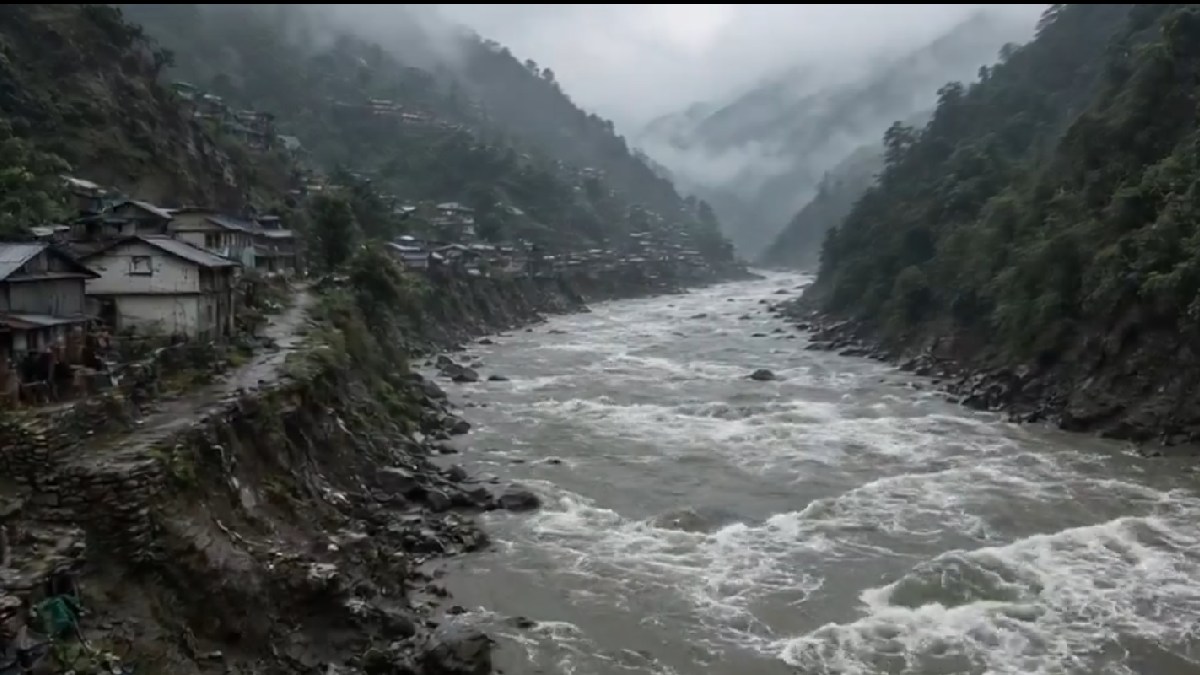
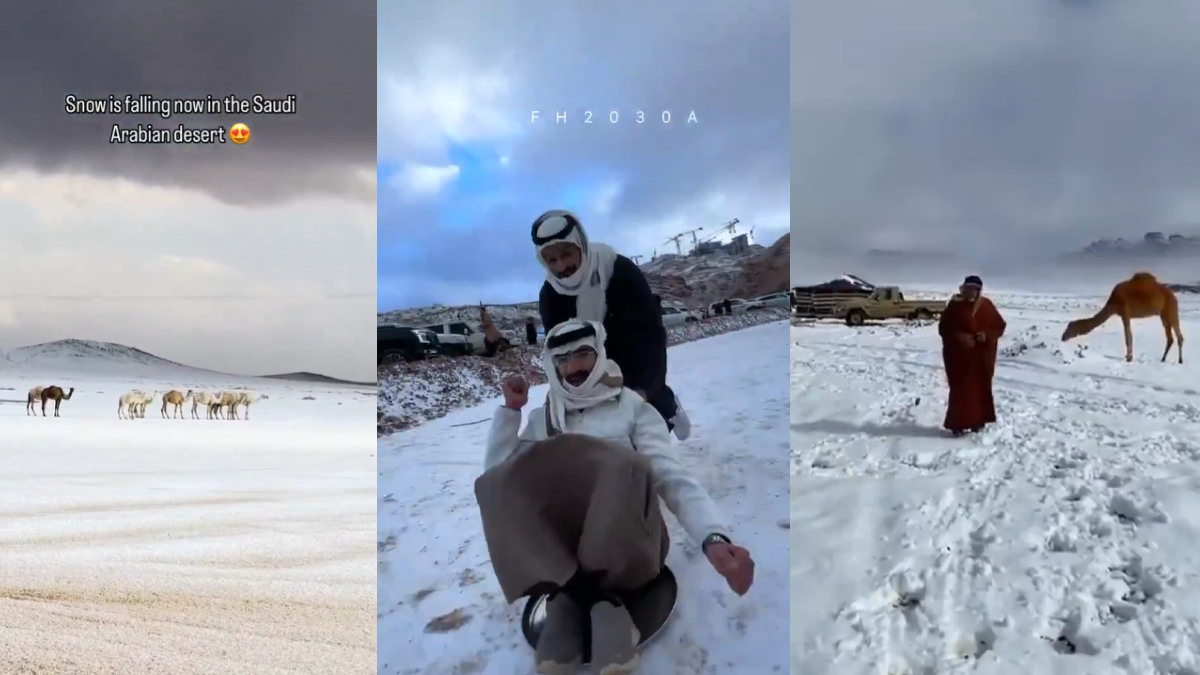
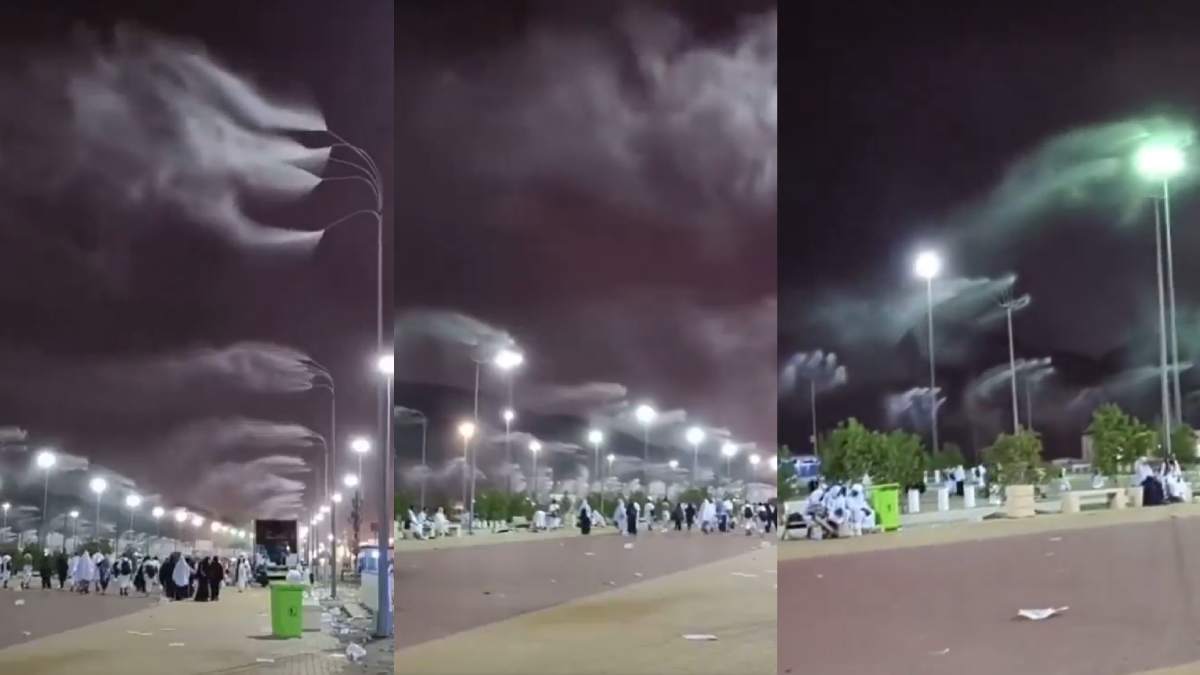
The weather event in Saudi City is extremely erratic. Heavy rains have been falling on Saudi Arabia's capital Riyadh in the last two days. Riyadh in itself had some daily incidents and citizens were always in a state of stress and fear, because of its daily issue and uncertainty on the weather.
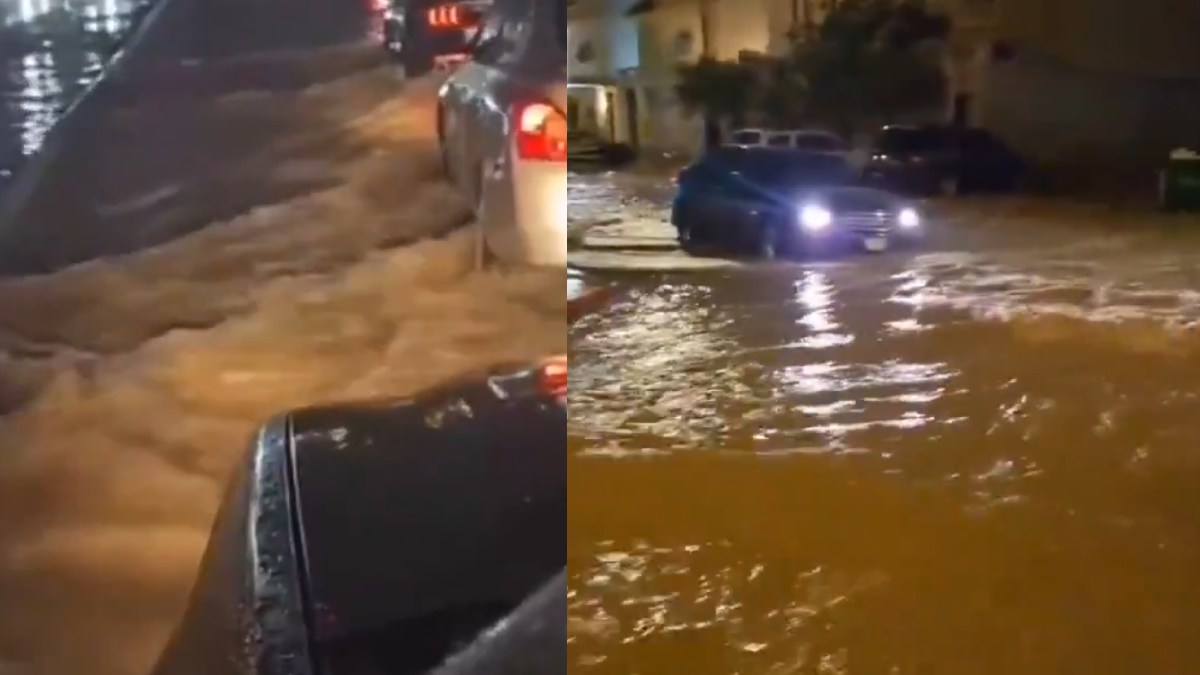
Riyadh itself a dry and arid desert city has a dry and desert-barren climate and does not experience much rain this long and hard in the past days, so the recent rains were crucial weather. They said relentless rain and howling winds washed over the town, leading to waterlogged roads and some temporary traffic jams. It hit lives and infrastructure in broad strokes. Transport has been battered by a surge of heavy rain as the city’s low-lying areas have suffered the worst from the water.
ఎడారి దేశంలో వర్ష భీభత్సం
— greatandhra (@greatandhranews) April 13, 2026
సౌదీ అరేబియా రాజధాని రియాద్లో గత రెండు రోజులుగా భారీ వర్షాలు కురుస్తున్నాయి.
ఈ మధ్యకాలంలో వాతావరణ మార్పుల కారణంగా ఎడారి దేశాల్లో కూడా భారీ వర్షాలు కురుస్తూ తీవ్రంగా నష్టాన్ని చేకూరుస్తున్నాయి. pic.twitter.com/8Ge0sVC2ui
Transit lines crowded as the visibility worsened and traffic on major highways slowed. The officials seemed determined to coordinate drainage systems and halt water access for susceptible spots. But Riyadh is well-maintained, and frequent heavy rains frequently exceed the city’s drainage capacity, especially where rainfall is unevenly distributed such as in a repeated incident in the area. Beyond the current: Climate Change and Changing Weather Patterns Meteorologists and environmental specialists say a bigger trend in global climate phenomena is responsible for as much of this unusual weather. Normally, Riyadh has a desert climate, and little rainfall in nearby Arab countries. Over the years, severe and erratic weather systems have been increasing in various places and regions of the Middle East.

Climate scientists warned of changes, from rising global temperatures to blustery rain that inundates formerly moderately dry regions instead. These trends align with wider international trends toward more frequent extreme weather events, such as floods and storms and heat waves. Get prepared for the extreme weather and urban response Saudi Arabia: Saudi Arabia is already scrambling to prepare its infrastructure for extreme weather.
Drainage systems, emergency response teams and weather-monitoring networks are being strengthened to cope with conditions like these, or to better prepare for a crisis. Just this month, municipal teams were sent out in many districts to mitigate the impact of the rain. They moved to handle issues such as waterlogging, traffic control and complete traffic jams as they lay behind the scenes. Emergency services were stationed throughout the sprawling areas to take on problems arising from slick roads and poor visibility. Public Opinion & Safety Guidelines.
Officials told motorists to drive cautiously in heavy rain, not to cause a water obstruction, and to check official weather warnings. Drivers should exercise caution: traction and visibility are diminished. Those warnings are especially useful in areas where heavy rain isn’t very common, such as in areas where roads and attitudes aren’t as readily prepared to adapt to these quickly changing events in the weather.
Sign of Changing Times. Riyadh’s erratic rainfall is a telling sign that no area can escape climate change. This will not just be limited to the extremes of hot weather we currently witness in the desert nations. These are changes that scientists are still exploring and greater focus has been directed toward building-ready cities and urban systems to be better prepared for the increasingly unpredictable climate of the future. And while it’s a downpour, it fits into the storyline of a broader worldwide problem that demands long-term planning and collective action to deal with.