Microsoft CEO Satya Nadella has delivered one of his strongest critiques yet of the direction in which the artificial intelligence industry is going and warned against a future where a few companies control the world's most powerful AI systems.
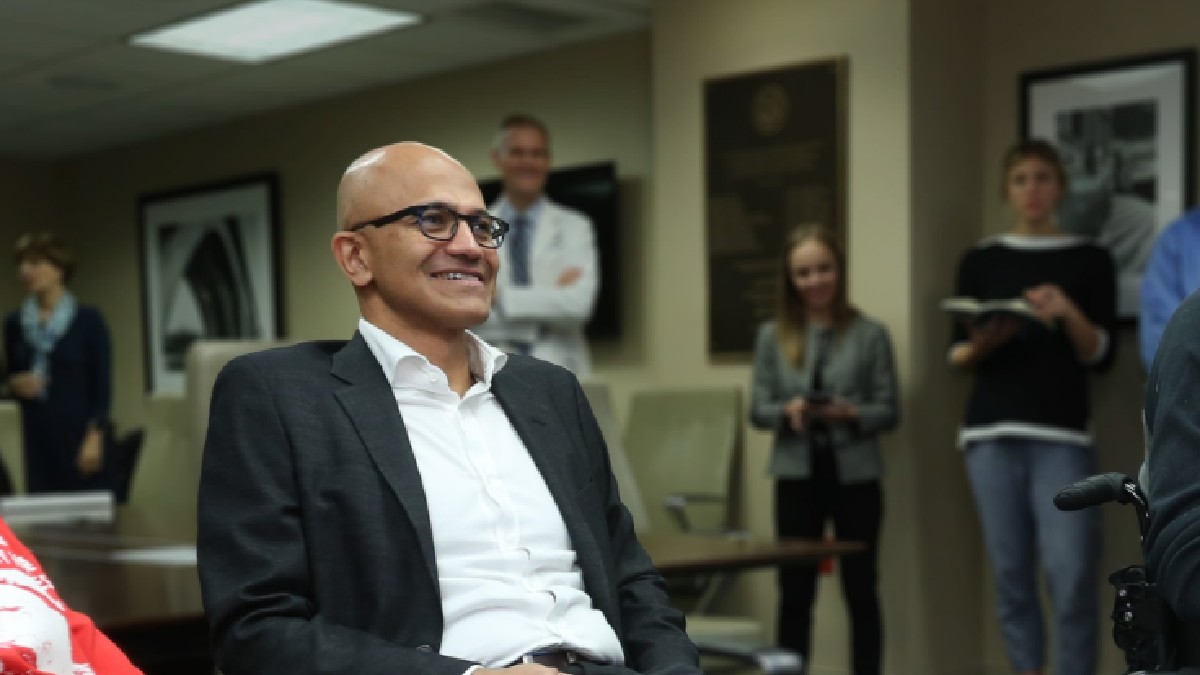
In an interview with The Wall Street Journal, Nadella questioned the growing race among leading AI developers to build increasingly powerful models that require enormous amounts of capital, infrastructure and computing resources.
Although he didn’t name OpenAI, Anthropic or Google, his comments were widely read as a critique of the frontier AI model race currently being led by a handful of companies.
Nadella Questions the Current AI Race
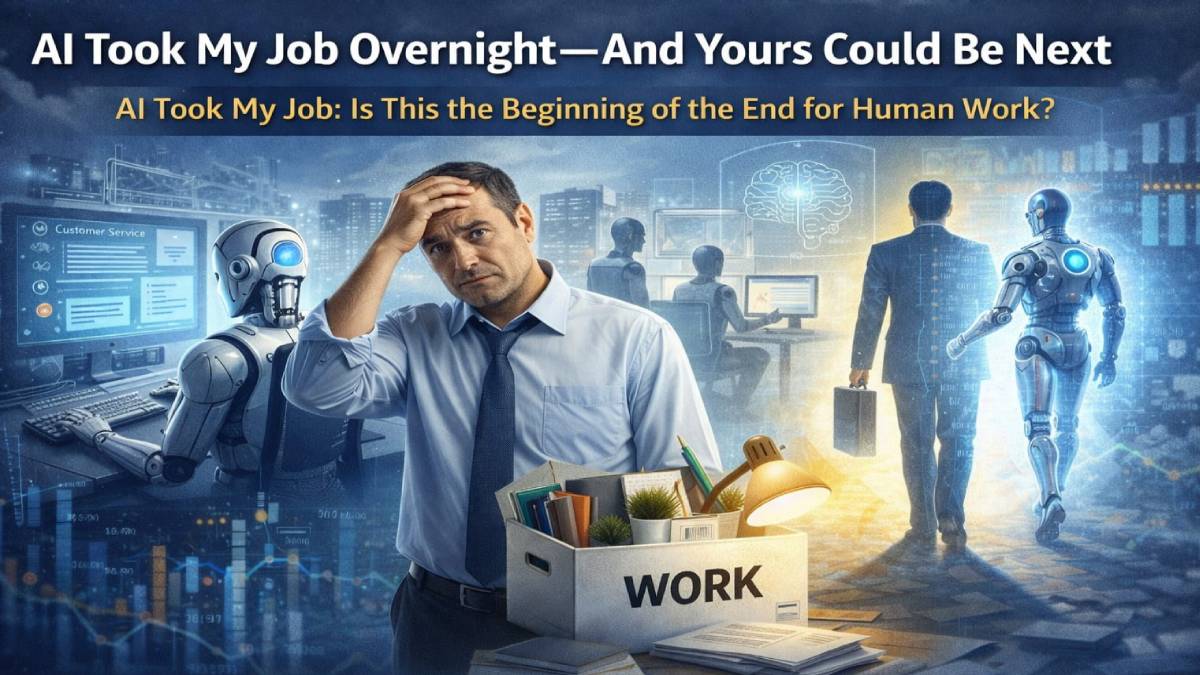
Nadella warned against narratives that simultaneously predict a lot of job displacement and demand an unlimited growth of AI infrastructure.
"You can’t say, hey, all white-collar jobs are gone and this could even be a weapon and we will use all the power to build data centers," Nadella told The Wall Street Journal.

He contended that society is unlikely to accept a future in which only a few organizations control the development and deployment of advanced artificial intelligence.
As Nadella explains, the public will not tolerate a situation where a small number of models and companies are effectively “doing all of the learning for the world.”
Microsoft's Vision: AI Beyond Frontier Models
Nadella’s comments are part of Microsoft’s broader effort to shift the conversation away from a future dominated by frontier model builders.
Instead of creating ever-bigger AI systems, Microsoft seems to be increasingly interested in building an ecosystem where multiple companies can thrive and where AI benefits are distributed more broadly.
The Wall Street Journal reported that Microsoft is even considering hosting a version of China's low-cost DeepSeek model as part of a strategy to reduce AI costs and expand accessibility.
That is a special possibility since both OpenAI and Anthropic have previously accused DeepSeek of distilling or improperly replicating capabilities from their advanced models.
At the same time, Microsoft is adding to its portfolio of lower-cost AI products and preparing for what many analysts expect to be a prolonged pricing battle across the industry.
OpenAI, Anthropic and the Battle for AI Supremacy
The AI industry is increasingly characterized by competition among the top model developers.
OpenAI and Anthropic are widely recognized as two of the most prominent players in the race to build the most capable AI systems, and both invest in research, computing infrastructure and next-generation models.
But Nadella appears to believe that the future of the industry shouldn’t be determined only by which company creates the best model.
Nadella is part of a growing group of technology leaders who believe innovation should go beyond raw model capabilities and be about broader ecosystems, applications and user value,” the Wall Street Journal reported.
'A Frontier Without an Ecosystem Is Not Stable'
Nadella expanded on this idea in a post on X titled A Frontier Without an Ecosystem Is Not Stable.
He said the real opportunity in artificial intelligence is not to find the best model, but rather to build learning systems on top of those models—and to add human experience to AI capabilities.
"The last thing any of us want is a world where every company across every sector is ceding value to a few models that eat everything they see."
He also warned that an AI economy dominated by a small number of companies would eventually meet political and societal resistance.
"If all the value is accrued by only a few models, the political economy will simply not tolerate it. There is no societal permission for an AI future that hollows out entire industries."
The comments speak to growing concerns within the tech industry of concentration of power, the high cost of infrastructure and the near-term economic effect of advanced AI systems.
Microsoft Balances Competition and Partnership
Nadella's position is particularly important because Microsoft is still one of the biggest partners of OpenAI.
The company invested billions of dollars in OpenAI during its formative years and helped to accelerate the adoption of generative AI through products and cloud infrastructure.
Microsoft has recently renegotiated aspects of its partnership with OpenAI and that means the AI company might be able to get more relationships with other tech companies.
At the same time, Microsoft has strengthened its own position across the AI ecosystem, with a multi-billion dollar deal with Anthropic last year.
A Microsoft spokesperson said Nadella’s vision of a broader AI ecosystem isn’t a zero-sum game. And yes, Microsoft is proud of having been involved in successful collaborations with OpenAI and Anthropic and will work hard to make the AI ecosystem more competitive and innovative.
A Debate That Could Shape the Future of AI
Nadella’s comments come at a crucial moment for the AI industry. As companies pour hundreds of billions of dollars into chips, data centers and model development, questions are being asked about who will benefit from the technology.
As for Nadella, the answer is clear: AI's future shouldn’t belong to only a few dominant models but to a diverse ecosystem in which innovation, competition and societal benefits are shared more broadly.
As AI leadership battles continue, Microsoft’s CEO is making the case that the next phase of artificial intelligence may be defined not by who builds the biggest model, but by who builds the most sustainable ecosystem around it.