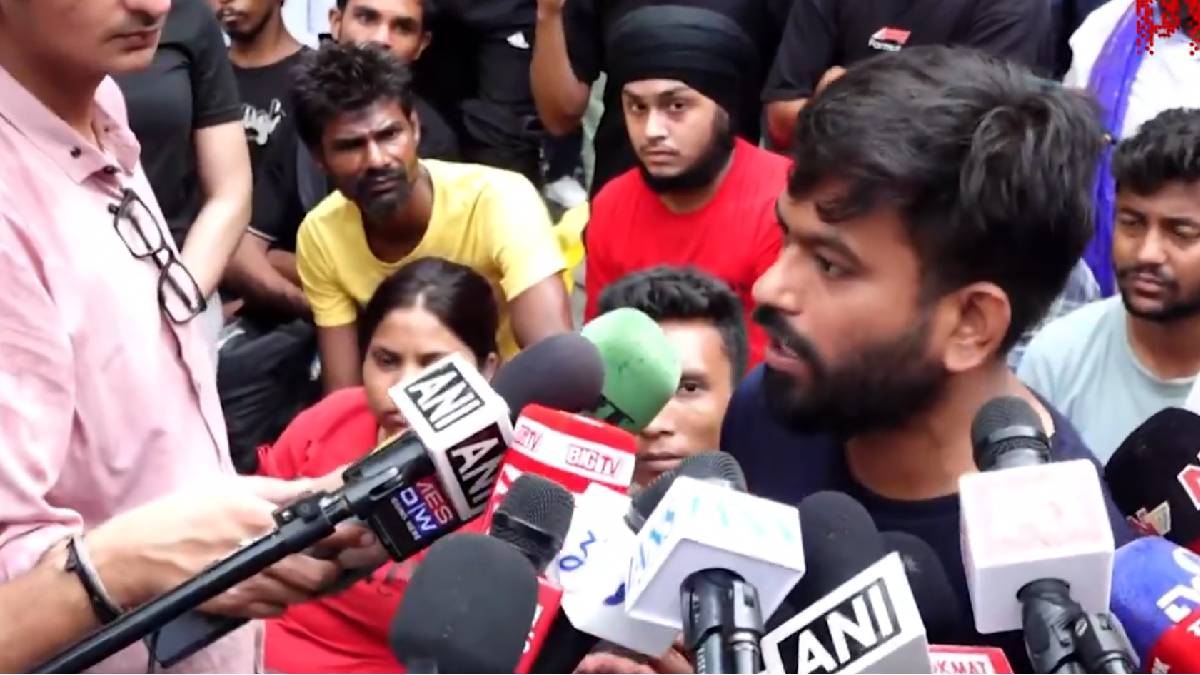
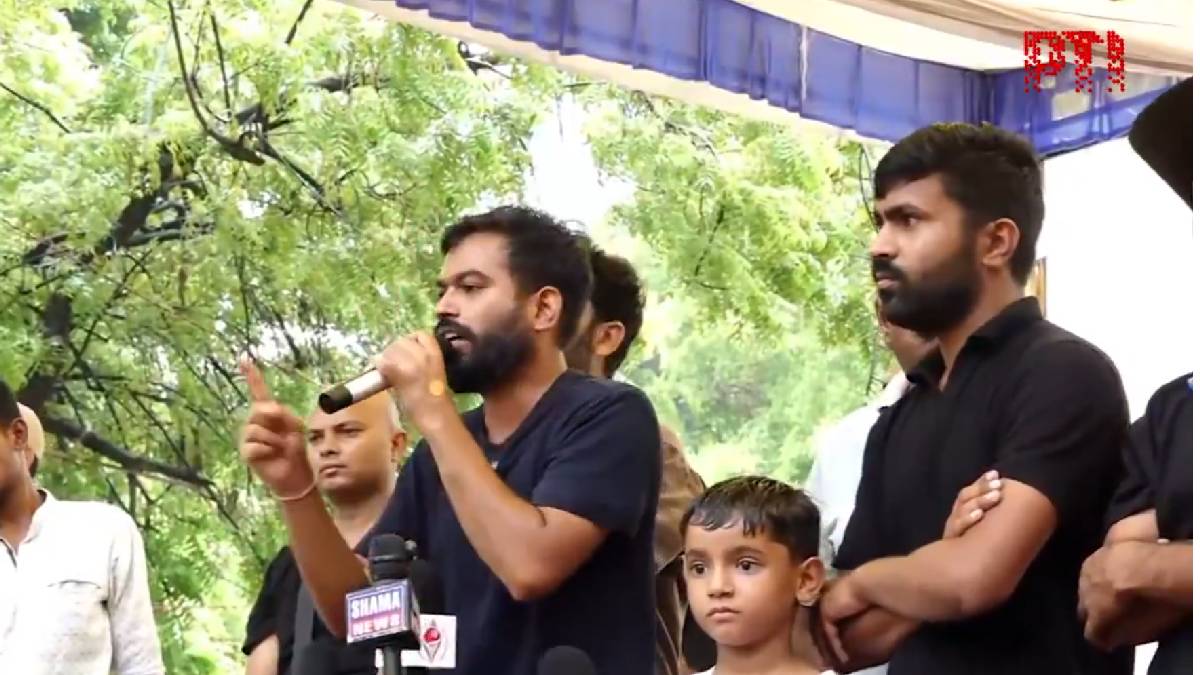
Abhijeet Dipke, the founder of Cockroach Janta Party (CJP), on Wednesday called for greater accountability of the Election Commission of India and said that institutional accountability was under pressure in the country and was in need of a shake-up to build confidence in the electoral process.
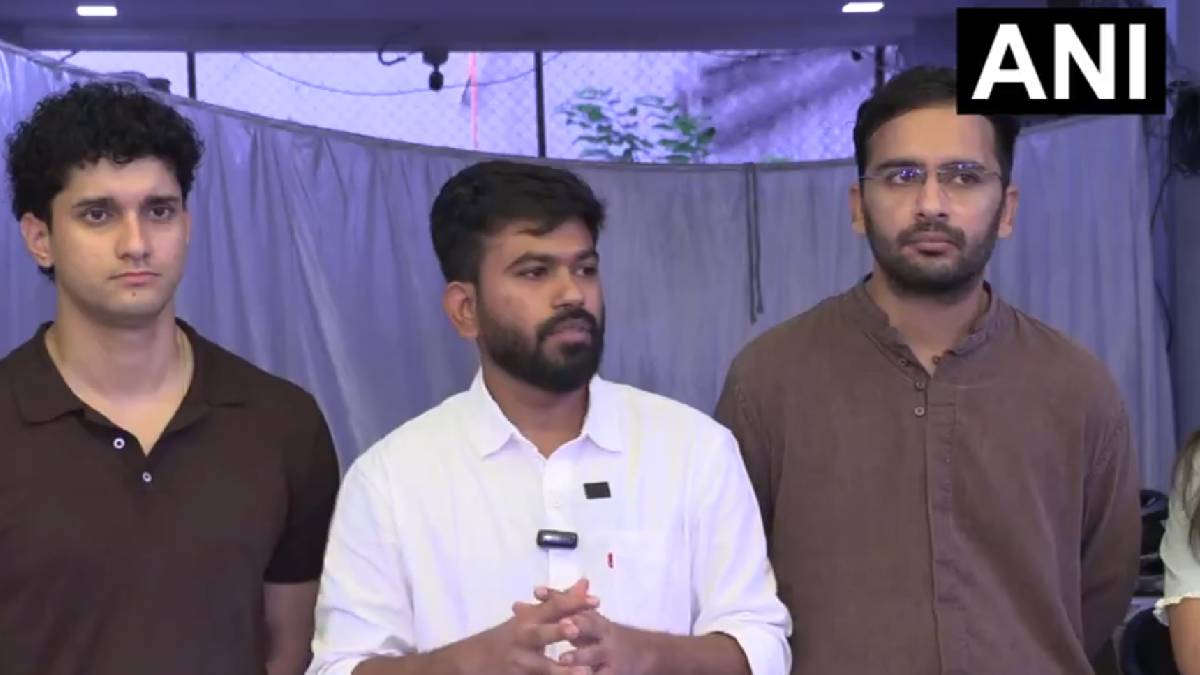
In Chhatrapati Sambhaji Nagar, Maharashtra, Dipke told supporters that democratic institutions need to be transparent and accountable to ensure election integrity, and democratic institutions must be transparent and accountable in order to protect honest elections in the name of democracy. He said accountability is crucial in order for free, fair elections and public trust in constitutional bodies and the public trust in their systems to be upheld.
During his speech, Dipke comm
#WATCH | Chhatrapati Sambhaji Nagar, Maharashtra | Cockroach Janta Party (CJP) Founder Abhijeet Dipke says, "Institutional accountability is in a dangerous situation in our country today. This is a dangerous sign for our democracy. Earlier, voters used to choose a government.… pic.twitter.com/W1kMLjWtI9
— ANI (@ANI) August 6, 2026
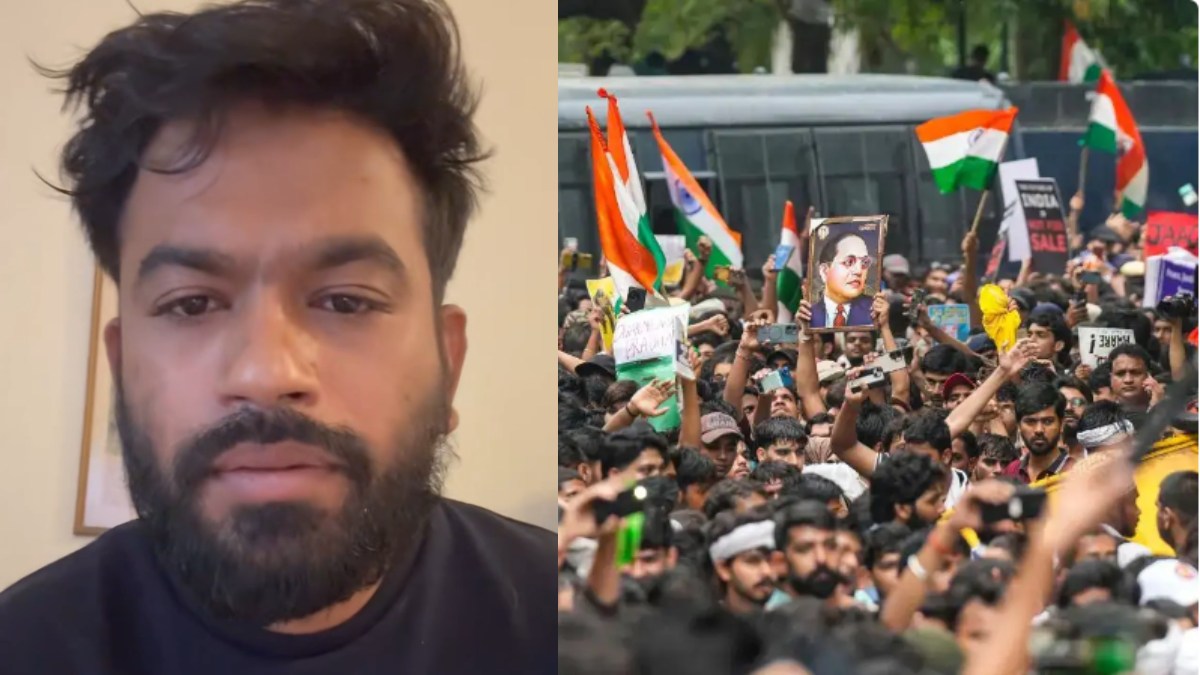
ented:
"Institutional accountability is in a dangerous position in our country today. This is a bad sign for democracy."
He went on to express concern over what he termed “changes in the electoral process”:
"In the past, voters used to choose a government. Today, the government is deciding who will vote. Democracy cannot work like that."
Dipke called for institutional reforms, and he said the Election Commission must be more accountable. He added:
"We have to fix the accountability of the Election Commission. Until we do this, election manipulation will continue in the country."
The remarks come amid broader political discussions about electoral reforms, voter registration processes, electoral transparency, and constitutional institutions. Different political parties and civil society organisations have proposed over the decades various reforms to make electoral governance more efficient and public confidence in democratic institutions stronger.
Dipke’s statements reflect the political stance of the Cockroach Janta Party and its criticism of the present electoral system. His allegations of election manipulation are political claims and have not been independently supported in the information provided.
The Election Commission of India has consistently held elections in India to be conducted in line with the Constitution, the Representation of the People Act and the electoral laws and procedures. We have always made clear that the Commission has transparent electoral roll revision, polling, counting and monitoring processes and that it is open for political parties and candidates to raise objections or seek remedies if they wish to do so.
The institutional accountability question has been a central issue for years in India. Some of the various partners have suggested various forms of democratic reform to improve the electoral system, better technology infrastructure and voter awareness, campaign finance reform, stronger institutional oversight, and many others have defended the current electoral system in India, as it has long been used to hold large-scale elections with hundreds of millions of voters.
Political analysts also note that criticism of electoral institutions is not new in democracies and is not unusual in democracies in the midst of political contestation. They also explain that issues related to election administration are usually addressed in legal and judicial systems and constitutional institutions and judicial systems.
As of now, there is no reaction from the Election Commission to Dipke’s latest comments. He can expect his comments to be taken by other parties to provoke a reaction from others, or even start a wider discussion on electoral reform.
The speech has, however, only made the nation’s debate on democratic institutions, electoral governance and public accountability. Elections continue to be a key element of India’s Constitution and debates over the functioning and independence of electoral structures will remain part and parcel of the country’s political discourse.