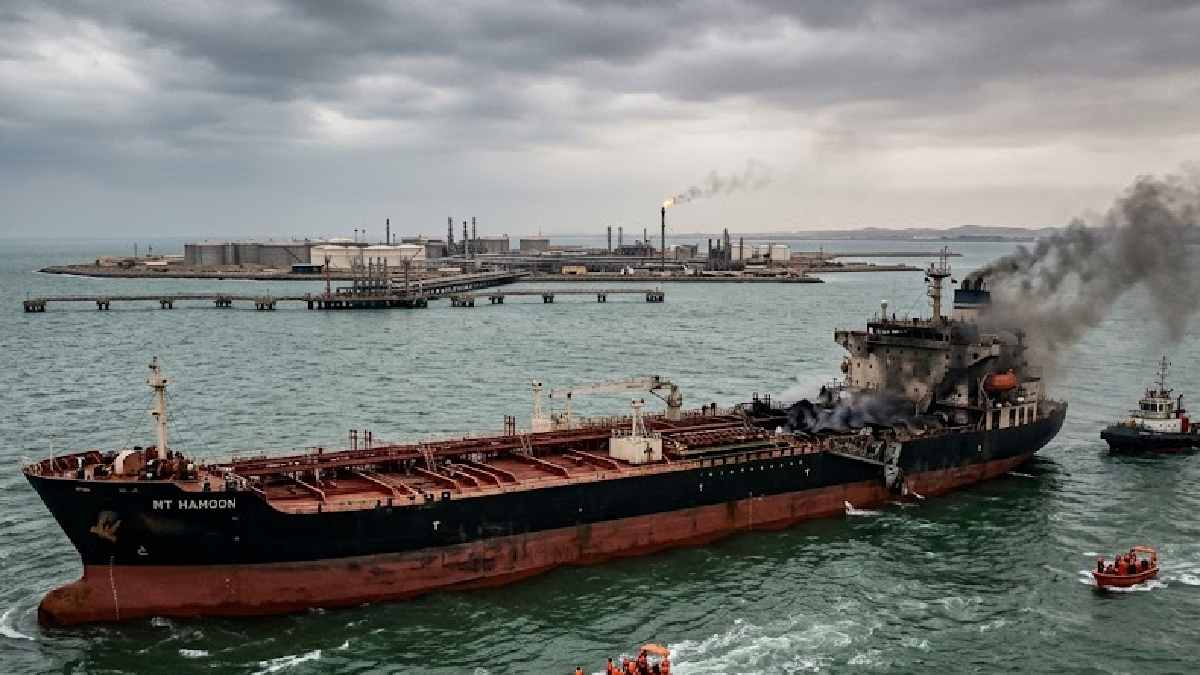
The concern about global energy security has intensified as a number of Saudi oil tankers in the Red Sea have turned back because of a fresh threat from Yemen’s Iran-backed Houthi rebels.
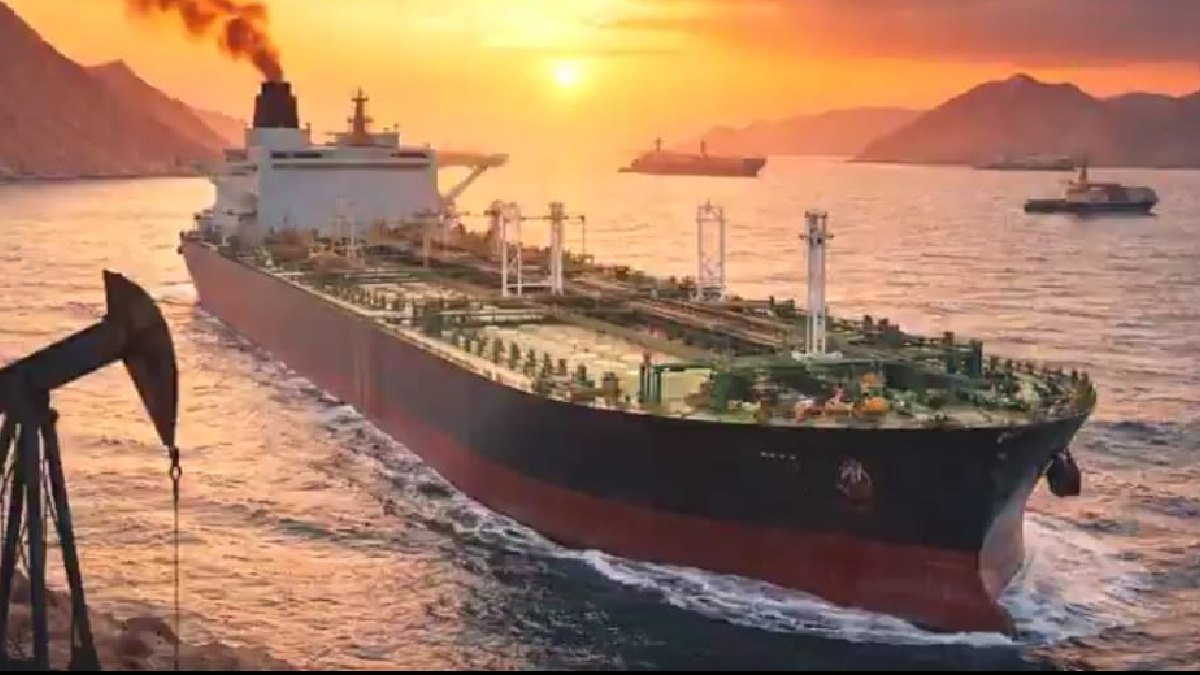
The ships carrying Saudi crude oil or on their way to load cargo destined for Chinese and Indian buyers have reversed course in the Red Sea and returned to port instead of taking a route they were on and have turned back to one of the world’s busiest shipping routes.
According to shipping data and international media reports, the tankers Xin Long Yang, Rodos, and Amazon changed their routes after the Houthis announced that ships in the Saudi Red Sea ports could be targeted. The warning has reignited fears of disruptions to global oil supplies and increased security risks for commercial shipping in the area.
The Houthi movement announced a “naval blockade” against Saudi shipping in the Red Sea. Commercial ships that call from Saudi ports on the Red Sea coast, it warned last month, might be targeted as part of its military operations. Commercial ships have been attacked in past years by the Houthis, but the latest warning signals an escalation of regional tension.
The ships were passing through the Red Sea, which is a major artery between the Suez Canal and the Bab el-Mandeb Strait and the Gulf of Aden, a pathway over which millions of barrels of crude oil and petroleum products passed every day.

Such routes are one of the world's most strategically significant energy transit arteries for oil and fuel, and a disruption in this area has the potential to disrupt oil markets as well as international trade.
China and India, two of the world’s largest importers of Saudi crude oil, depend on uninterrupted shipments from the Gulf. If shipping companies continue to avoid the Red Sea due to security issues, deliveries are likely to be delayed and transportation costs could rise sharply.
Some shipping companies are already mulling rerouting ships around the Cape of Good Hope in southern Africa, which takes longer and costs more fuel.
Marine insurance has also been affected by the security threat. War-risk premiums for ships transiting the Red Sea have soared because of the increasing threat of attacks, industry reports show. Higher insurance and freight expenses could eventually lead to higher crude oil prices, hitting fuel prices and inflation in importing countries.
Though Saudi Arabia had no comment on the tanker diversions, analysts say they are indicative of increasing caution on the part of shipowners and charterers in conflict-prone waters.
Energy experts say companies are increasingly concerned about crew safety and asset protection and are putting their crews’ safety and asset protection ahead of regular shipping schedules.
The present developments are coming at the same time that Middle East instability continues to be an issue, and geopolitical tension has repeatedly disrupted maritime trade. Since late 2023, attacks on commercial ships in and around the Red Sea have forced many global shipping companies to halt or reroute services and have impacted supply chains beyond the energy sector.
If more tankers opt to avoid the Red Sea, oil markets will be closely watching if they move around the region. A sustained disruption to Saudi exports through the Red Sea could tighten global crude supplies and push international benchmark oil prices higher.
For India, which imports more than 80% of its crude oil requirements, a sustained rise in global oil prices could put pressure on import costs and domestic fuel prices. For China, a major customer of Saudi crude, logistics problems if shipping routes are disrupted would be a concern.
Even if energy analysts do not expect Saudi oil exports to be completely shut off, the tanker diversions indicate the fragile energy supply chains around the world.
The situation remains fluid and governments, shipping companies, and oil traders will continue to monitor developments in the Red Sea closely for signs of further escalation.