Switzerland has set a record in renewable energy innovation by installing the world's first removable solar power plant between active railway tracks. With this innovative project, all transport infrastructure can be turned into clean energy generators without damaging regular rail infrastructure, and it is a new model for sustainable infrastructure development.
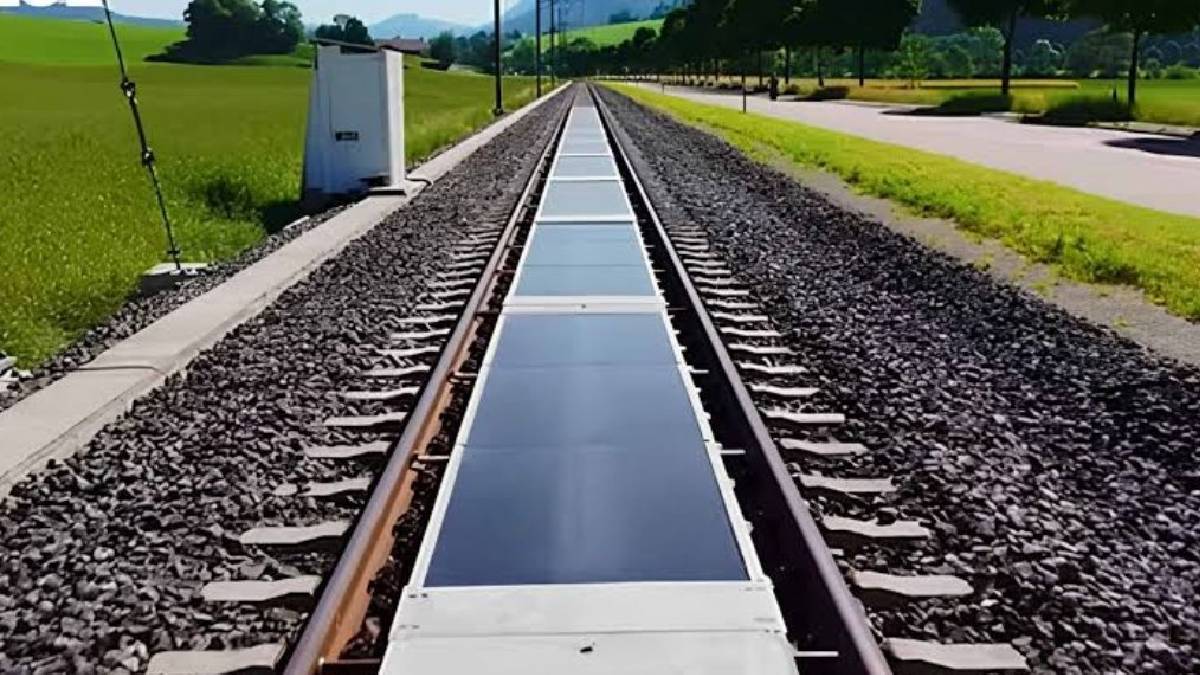
Unlike conventional solar farms that need to be built on a specific piece of land to operate, the Swiss project employs the space between railway tracks as a solar field. Special solar panels are built between the rails to guarantee that trains can run safely over the tracks. The project is unique in that the panels can be easily removed from the rail track so train maintenance and inspections can be done in a single shot.
The innovative system alleviates one of the main challenges of integrating renewable energy in railway networks—maintenance accessibility. Railway operators can remove the solar panels using specialized equipment before track repairs or upgrades and reinstall them once the work has been done. This flexibility is a boon for railway safety and maximizes the use of the available infrastructure for clean energy production.
This project is to enhance renewable energy use as well as carbon emission reduction in Switzerland and mirrors Switzerland’s focus on renewable energy generation. For countries around the world seeking to meet ever-increasing electricity demand, railway corridors are a very attractive option because they already have huge areas of land that can be utilized without buying additional space.
The solar panels’ electricity can be delivered to the national power grid or can support railway operations depending on the local infrastructure and energy requirements. It is a good way to make public infrastructure efficient, but at the same time contribute to climate goals and mitigate climate change by integrating transportation and energy development goals of the project.
Railway-based solar installations could be an important element in renewable energy systems, say experts. There are thousands of kilometers of railway tracks in Europe, Asia, and other regions. Even if only some corridors were equipped with solar panels, the cumulative electricity generation could be high.
The removable design also helps to alleviate concerns about debris, maintenance, and operational safety that have traditionally prevented the installation of solar panels on active railway lines. Regular inspections can be carried out with minimal disruption, and railway service will continue to operate with renewable energy.
Besides environmental benefits, such projects can also improve land-use efficiency by creating clean electricity without competing with agricultural land, forests, and urban development. This approach supports sustainable infrastructure planning by developing on existing public assets.
The initiative also goes to show how we are making investments in renewable technologies and energy-efficient technologies in transportation systems. Governments and railway operators all over the world are investing in electrification, hydrogen-powered trains, battery-powered trains, energy-efficient stations and solar power to cut reliance on fossil fuels and greenhouse gas emissions.
If the Swiss pilot works out well, similar projects could be carried out in other countries with very large rail networks. Nations investing in clean energy and sustainable transportation may find railway solar systems a practical solution to increase renewable electricity generation while meeting climate targets.
Switzerland's first removable solar plant shows how engineering innovation can transform conventional infrastructure into multifunctional assets. Combining clean energy production with active railway operations, this project sets a new benchmark for sustainable transport infrastructure and will be helpful for countries to pursue innovative strategies to push forward the transition to a low-carbon future.