A spectacular celestial event is expected to mesmerize millions of people across Europe as a total solar eclipse transforms broad daylight into darkness for more than a minute in several European countries.
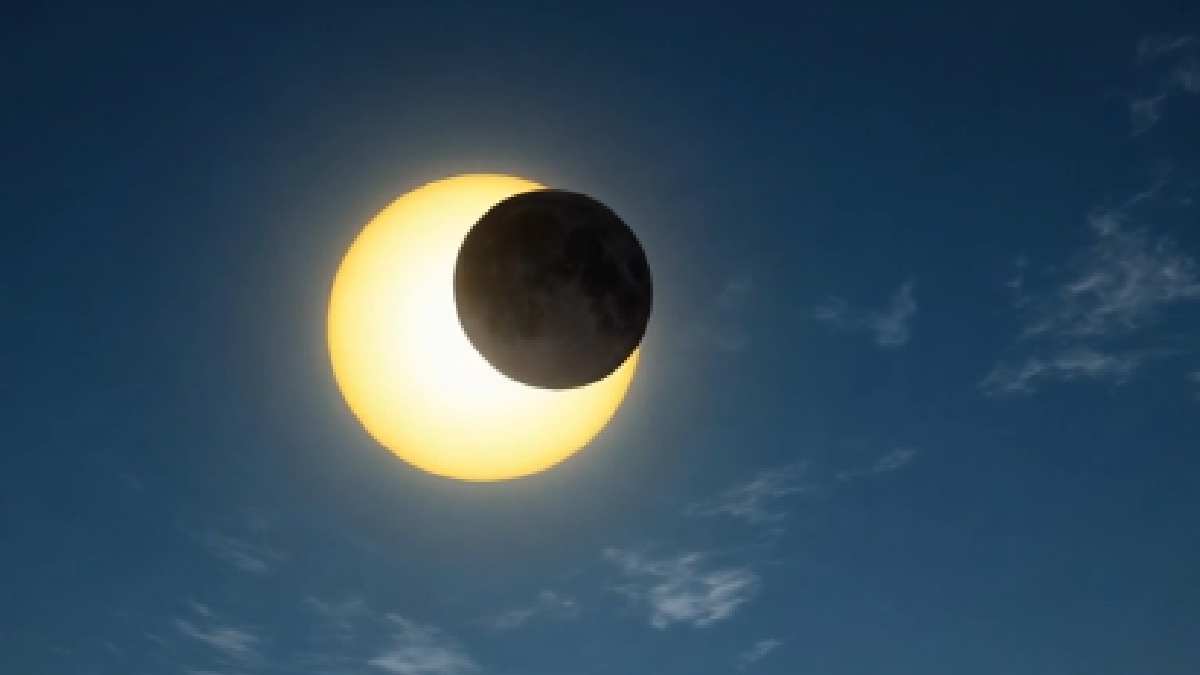
A total solar eclipse occurs when the Moon passes directly between Earth and Sun and completely obscures the bright disk of the Sun. The light is dim in a brief period of totality, temperature will go down, and the sky is like twilight. Bright stars and planets can also be visible, which is surreal.
Unlike a partial solar eclipse, where only a portion of the Sun is obscured, a total solar eclipse allows individuals in the narrow “path of totality” to see the Sun completely dark for a very short period of time.
Outside of that path, they will only see a partial eclipse.
The next eclipse will be visible across Europe with over a minute of total darkness at least in some places. The exact duration varies by where the observer is situated in the eclipse path. Coastal areas and certain inland areas are expected to have the longest periods of totality.
Researchers consider total solar eclipses as important research opportunities. As the Sun is fully obscured, the corona, the outer atmosphere of the Sun, becomes visible, and there is a brief window in which scientists will use the time to investigate solar wind, magnetic fields, and other phenomena not visible to humans.
These studies are critical to understanding the effects of space weather that can affect satellites, GPS devices, communications, and power grids.
If the eclipse is a once-in-a-lifetime event, so is the public. Thousands are expected to travel to prime viewing sites across Europe. Hotels, observatories, and tourism agencies have already begun preparing for more visitors as eclipse enthusiasts plan their trips very well in advance.
Experts stress the importance of eye safety. Looking directly at the Sun without certified eclipse glasses can cause permanent eye damage. Regular sunglasses, cameras, binoculars, or telescopes without proper solar filters are not safe.
The ISO-certified eclipse glasses or indirect viewing methods such as pinhole projectors should be used by the audience.
The weather will determine visibility. Clear skies will be the best place to see the eclipse, while clouds might obscure the eclipse in part or completely.
Many astronomy organizations will broadcast live events for those who are not able to travel and who are faced with bad weather.
Total solar eclipses are very rare for a particular location, so each event is eagerly awaited. This scientific importance, natural beauty, and popular interest make Europe’s upcoming eclipse one of the most remarkable astronomical events of the decade.
If the Moon completely covers the Sun when viewed from a rural landscape, in a bustling city, or online, the moment when the Sun is covered by the Moon will be an everlasting reminder of the wonders and beauty of our solar system.