The Trump administration is planning to ramp up efforts to collect more than $423 million in unpaid immigration fines from migrants who have already been deported out of the country, reports say. That would take the government’s enforcement campaign beyond American borders and put renewed financial pressure on people who have returned home or sent to third countries.
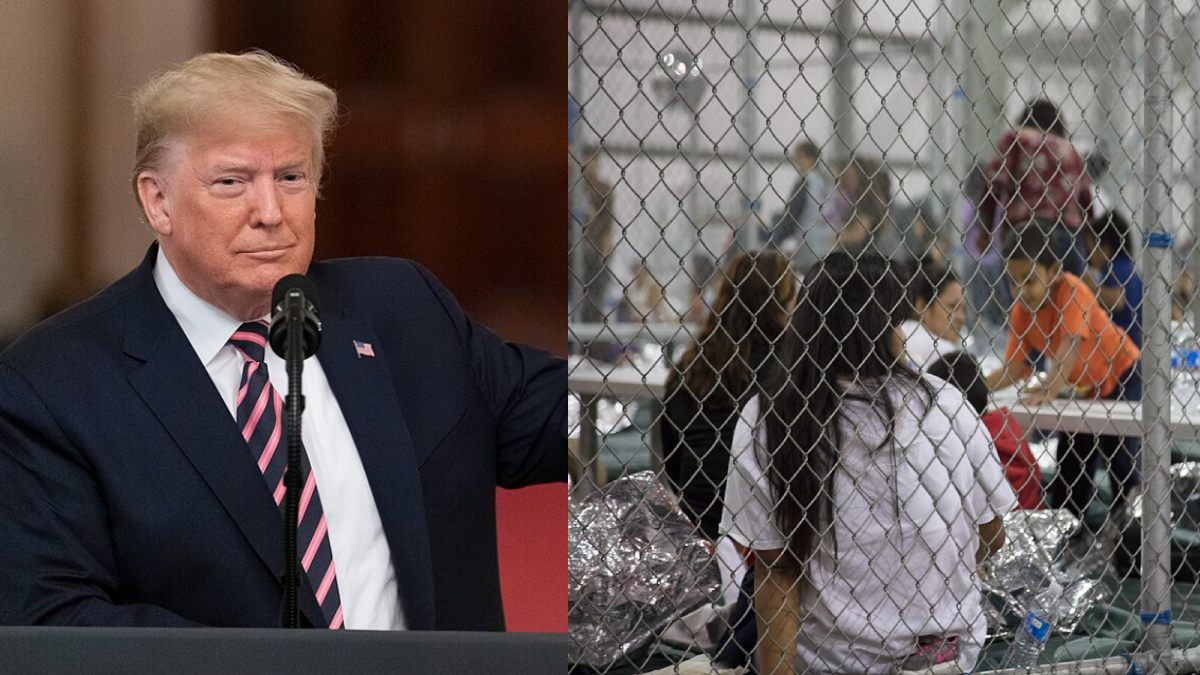
This approach is part of a broader effort by the administration to make immigration penalties harder to evade. Deportation takes someone out of the country but unpaid fines can remain outstanding. Officials are now looking at ways to pursue those debts after migrants aren’t physically present in the country.
Financial Penalties Become Part of Immigration Crackdown
The unpaid amount is reportedly fines levied on migrants who did not comply with removal orders or other immigration requirements. U.S. immigration law allows certain people to be detained and deported but also fined as well.
The administration’s latest plan could be to use government records, international cooperation and financial information to find deported migrants who still owe money; how the government would enforce such penalties against people living overseas (countries that don’t have formal agreements with Washington) is not clear.
The move comes as the Trump administration expands immigration enforcement through deportations, detention and pressure on state agencies. The Department of Justice has also warned states that federal funding could be withheld if they don’t share information about undocumented migrants with federal authorities. Critics say these policies are creating a wider system of surveillance and enforcement.
Challenges of Recovering Money Overseas
It could be legally and practically difficult to collect unpaid fines from deported migrants. Many may not have financial resources; others may live in countries where U.S. immigration penalties are difficult to enforce.
The government may ask foreign authorities or financial institutions for help; international law-enforcement agencies too. Any attempt to seize assets or collect debts abroad would probably be based on local laws and bilateral agreements.
Legal experts may also ask whether migrants were properly informed about the fines, whether they had an opportunity to challenge them and whether penalties are still valid after deportation.
Human rights groups will scrutinise the plan if the government tries to recover money from people deported to countries where insecurity, poverty or lack of legal assistance exists.
Policy Raises Concerns Among Advocates
Immigration advocates say the plan could add more stress to vulnerable migrants and their families. Many deported people may already have lost jobs, homes and legal support in the U.S.
Critics say that chasing migrants overseas turns immigration enforcement into a long-term financial penalty and family members could be hurt if authorities try to recover money from bank accounts or property shared by the family.
The administration, however, is expected to say unpaid fines are legal debts and deportation shouldn’t wipe that off the books.
Broader Enforcement Strategy
The recovery effort is part of a larger immigration crackdown that has included third-country deportations, expanded detention operations and information sharing between federal and state agencies. Reports have also surfaced about how migrants deported to other countries are treated
Administration supporters say enforcement must be stronger to ensure immigration orders are followed. Opponents say government is expanding its reach without addressing due process, legal safeguards or humanitarian consequences of deportation.
So far we don’t know how the collection process will work, which countries are involved or how many migrants are affected. But the report signals that the Trump administration intends to pursue immigration-related penalties even after deported migrants have left U.S. soil.
If implemented, it would give a new international dimension to America’s immigration crackdown: unpaid fines will be an ongoing problem for deported migrants and their families.