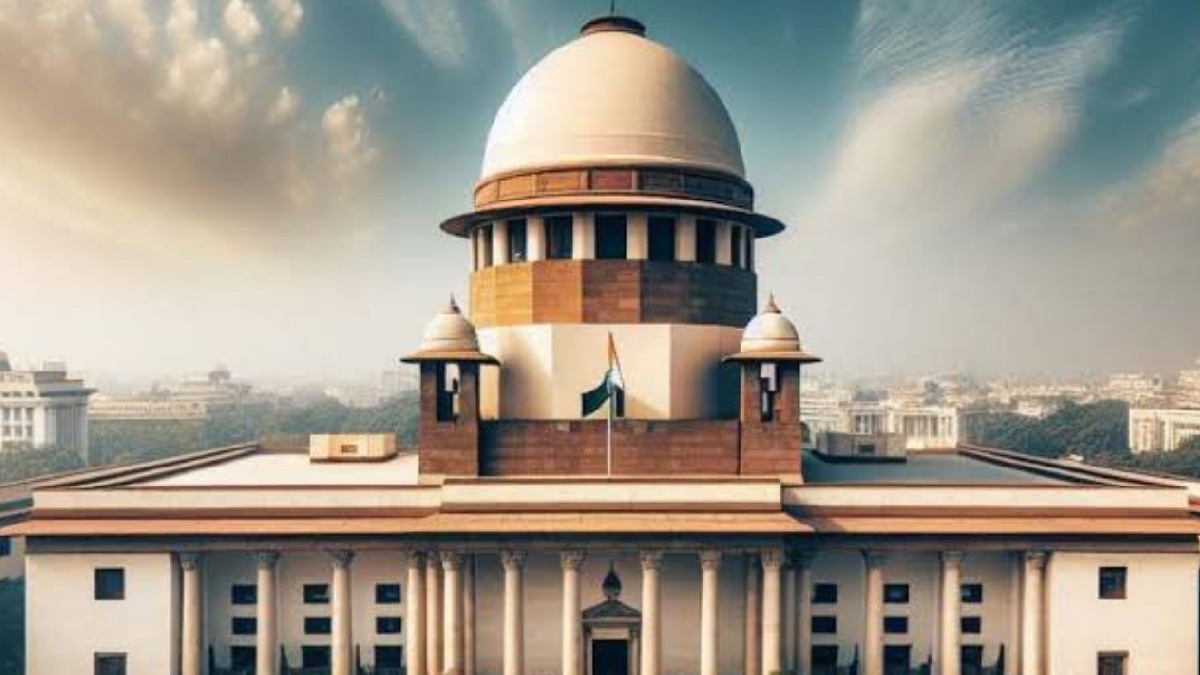
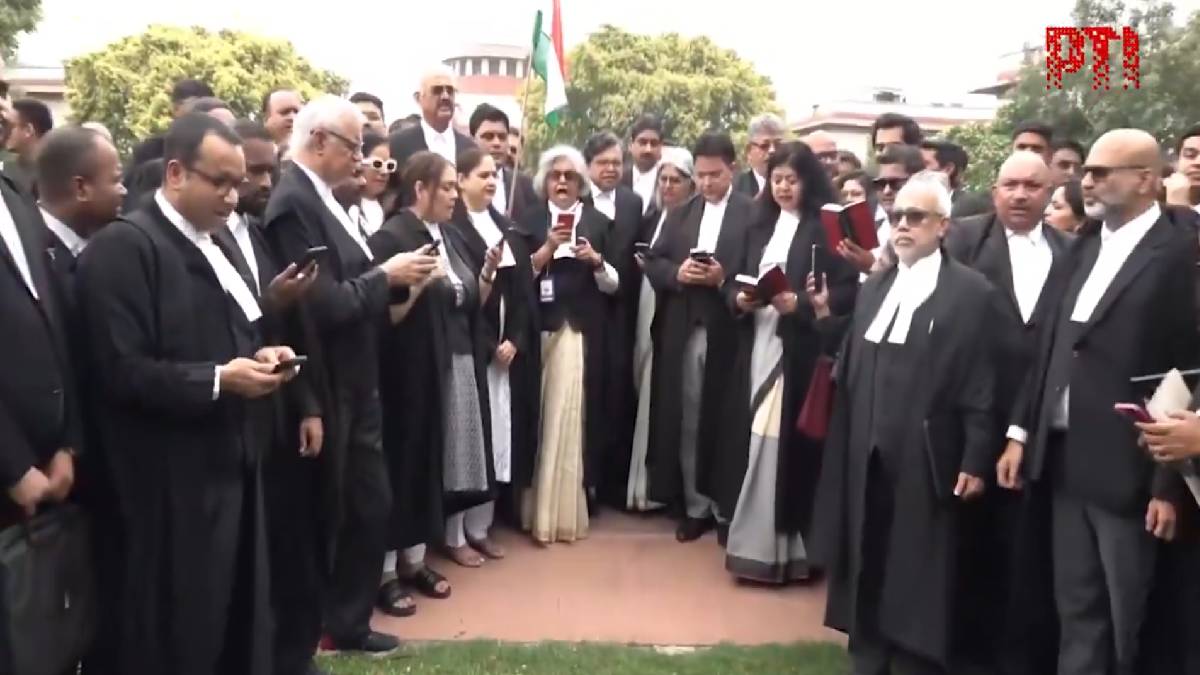
The Supreme Court has reiterated that the judiciary is open to fair and constructive criticism, but as such not to include uninformed or unverified assertions in educational material for school children. The Supreme Court has closed suo motu hearings on controversial content in a NCERT Class 8 social science textbook which refers to corruption in the judiciary.
A bench consisting of Chief Justice Surya Kant and Justices Joymalya Bagchi and V Mohana also made comments in the matter of the textbook content. It also stated that criticism of the judicial system is neither banned nor dangerous. In fact, it said that informed criticism can contribute to a constitutional democracy by promoting accountability and encouraging institutions to identify and correct shortcomings.
However, the Supreme Court distinguished between legitimate criticism and statements that are made without evidence. The court said the question is not whether criticism should be allowed, but whether public discourse (especially from the perspective of young students) is responsible, rational and backed up by the evidence.
The Supreme Court has made it very clear that responsible criticism is important.
The court said that fair criticism of judicial functioning can contribute to institutional accountability. At the same time, it said such criticism should be made in the right forum and within a fair and justifiable fashion.
The distinction is especially important in school textbooks. Educational materials can have lasting effects on young people and the court stressed that claims were to be properly assessed and verified. Thus the observations are not to shield the judiciary from criticism; they are to make sure that allegations or claims made in educational content are true and hold the judiciary accountable as well.
This followed an earlier dispute over a NCERT Class 8 social science textbook containing references to corruption in the judiciary. The material was reviewed and the Supreme Court had previously described the disputed content as “offending” and it may have a negative impact on students’ perception of the judicial institution.
The controversial chapter was replaced by amendments suggested by an expert panel set up by the Centre. The development eventually paved the way for the Supreme Court to close the suo motu proceedings.
Dispute Over Textbook Drafting
The case also involved three academicians involved in preparing the disputed textbook content - Professor Michel Danino, Suparna Diwakar and Alok Prasanna Kumar. The Supreme Court had earlier given directions on their association with the textbook controversy.
On March 11, the court had directed the Centre and states to disassociate themselves from the three experts. But after hearing their explanations, the Supreme Court changed that direction. It left the Centre, states, Union Territories, public universities and government-funded institutions to decide independently whether any action was warranted.
The academicians had maintained that the disputed material was produced by a collective drafting and review process. They also claimed that no single member had sole authority over the preparation of the textbook.
But the Supreme Court had earlier noted that the experts had “deliberately and knowingly” misrepresented facts in a manner that could create a negative impression of the judiciary among Class 8 students. That observation was part of the court's earlier criticism of the textbook material.
The earlier ban on publication of Disputed Textbook
The controversy was reignited when the Supreme Court on February 26 issued a blanket prohibition on further publication, reprinting and digital dissemination of the textbook containing the disputed content.
By that time the court had very serious concerns about the material and how it might affect the public image of the judiciary. The court’s action was in line with the importance it placed on the accuracy and responsible presentation of institutional criticism in textbooks for school students.
The Supreme Court also directed the Centre to set up a committee of domain experts to finalise the NCERT legal studies curriculum for Class 8 and higher classes. The move was intended to ensure that subjects concerning law, constitutional institutions and judicial functioning are developed with the proper expert scrutiny.
It’s at this point the court has reiterated a broader principle: criticism of constitutional institutions is a necessary part of democratic discourse, but it needs to be informed, fair and responsible. The observations also point to the additional responsibility of a challenging claim that is included in education material that is read by young people.
The Supreme Court’s position thus aims to balance two fundamental democratic principles—the right to challenge and critique institutions; and the need for factual accuracy in public and educational discourse. Although the judiciary has made it clear that it does not seek immunity from criticism, the court has emphasised that criticism should not take the place of factually valid assertions in textbooks that students need to learn about India’s constitutional institutions.