U.S.-Saudi relations are under renewed pressure since the United States is said to have held a previously undisclosed meeting with representatives of Yemen's Iran-backed Houthi movement in Oman where the talks were held on the heels of a rapidly escalating conflict in Yemen, in which Houthi forces have seized control of much of the Red Sea coast and been fighting Saudi-backed forces. According to five sources familiar with the meeting, although Washington has not publicly acknowledged that the talks took place.
According to the Reuters report, the meeting was arranged at the US Embassy in Muscat over the weekend. Three sources said US officials met representatives of the Houthis, while two sources said Oman helped facilitate the discussions. Oman is known for mediating in regional conflicts and has also been involved in US-Houthi diplomacy.
The reported meeting is coming at a particularly sensitive moment for Saudi Arabia. The Houthis have recently launched a major offensive in Yemen and are taking control of strategic areas on the Red Sea coast and routing Saudi forces in some. The Houthis are moving to breach the Bab al-Mandeb Strait—a vital maritime chokepoint between the Red Sea and the Gulf of Aden.
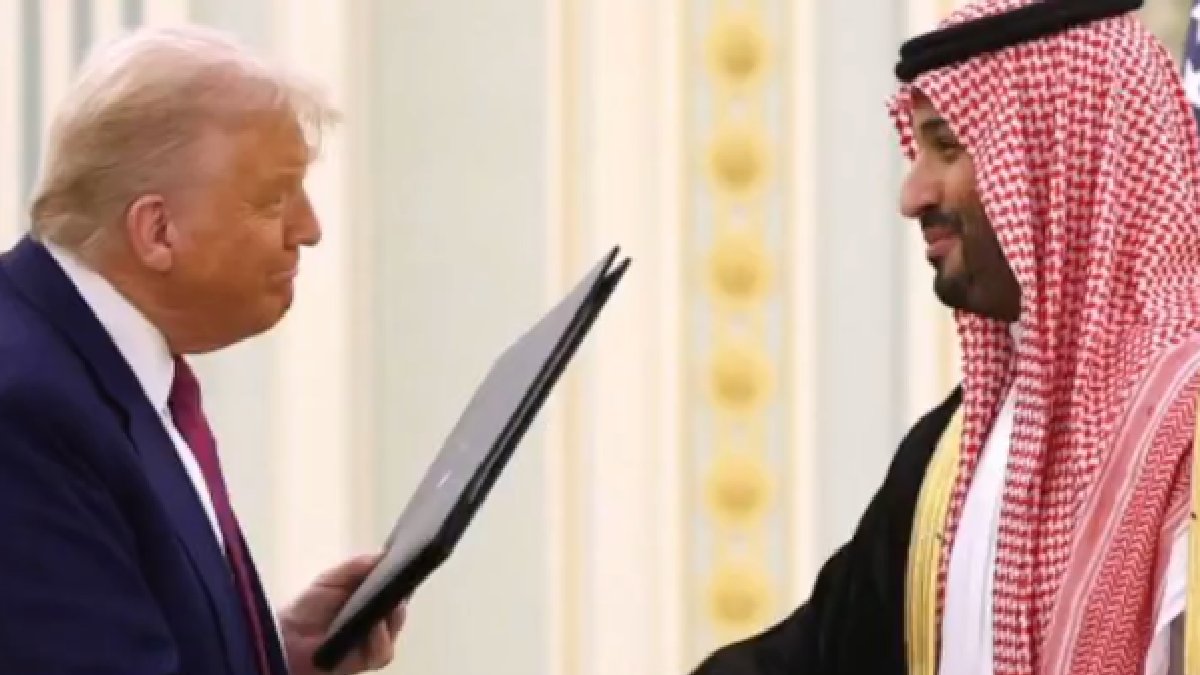
The Saudi Crown Prince Mohammed bin Salman had sought US military assistance from the United States as the Houthi offensive intensified. Reuters reported that he had asked the Saudi leader, who had sought US President Donald Trump for advice on the Houthis: “asked for American military assistance.” The Trump administration, however, said it was not prepared to intervene directly in the war at this point in time to attack the Houthis directly. It has instead been discussing intelligence and targeting assistance from Washington for targeting assistance from Saudi Arabia.
The recent US-Houthi talks add another layer to Washington’s position. In March 2025, the Trump administration designated the Houthis a foreign terrorist organisation, and Washington has maintained channels of communication with the group. The United States and the Houthis reached a ceasefire in May 2025 following a two-month US military campaign to stop attacks on shipping in the Red Sea.
What Was Discussed In The Oman Meeting?
According to sources in Reuters that were quoted by US officials, the Houthis assured US officials that the 2025 ceasefire remained in place. They also said the Houthi representatives had said they did not plan to attack American vessels in the Red Sea. Israeli ships and commercial ships, plus commercial ships and ships from Saudi-related shipping would not be targeted, and there was a special exception.
The reported assurances are significant because maritime security is still a major concern for Washington. The Bab al-Mandeb Strait is a major gateway for both international trade and energy trade and a prolonged disruption will have far-reaching implications beyond Yemen and Saudi Arabia.
The meeting also followed Trump’s own comments from the meeting that the Houthis had approached his administration and asked Washington to stay out of the Yemen conflict. The U.S. Vice President JD Vance also confirmed that Washington was in contact with the group, but did not disclose details of those conversations.
Why the US is avoiding direct intervention?
In fact, Washington’s reluctance to launch another major direct military campaign is not so much of a no-fly zone of war has been a big reason why the United States is already deeply involved in the wider regional conflict between Iran and its neighbors—and the US is already deeply involved with that conflict in the region’s wider regional conflict with Iran. In other words, the Trump administration has long been trying to avoid a move in the direction of another major US military conflict.
But for Saudi Arabia, in the immediate sense, the situation is a security issue. Since the kingdom has been hit with Houthi missile and drone strikes in the past with Houthi missile and drone attacks and the recent Houthi territorial gains have put them in the vicinity of key strategic territories along the Red Sea. As fighting intensified between the Houthis and the Houthi forces and the Houthis in general, Saudi fighter jets began attacks on positions of the Houthis; the newspaper reported that Saudi aircraft have struck at Houthi positions as fighting has intensified.
The United States has not completely disengaged from Saudi Arabia. But reporting indicates that Washington continues to talk with Riyadh and has provided intelligence-related support while not going to war with the Houthis directly.
A New Test For US-Saudi Relations.
The reported Oman meeting could become a test for the relationship between Washington and Riyadh. Saudi Arabia has historically relied on the United States for major security cooperation and Washington has viewed Saudi Arabia as an important partner in the Gulf and wider Middle East.
At the same time, the Trump administration seems to have weighed the risks of getting directly involved in another effort. And the talks with the Houthis indicate that Washington is keeping diplomatic channels open while it still keeps the group listed as a terrorist organization.
Right now, the primary focus is on the Yemen situation, security of the Red Sea shipping and the Houthi advance. The United States’ decision to avoid direct military intervention, despite Saudi calls, is likely to keep attention on how Washington balances its longstanding relationship with Riyadh with its broader efforts to contain the growing regional conflict.