Indian athletes arriving in Nagoya for the 2026 Asian Games are experiencing a number of accommodation and logistical difficulties just days before the continental multi-sport event officially opens.
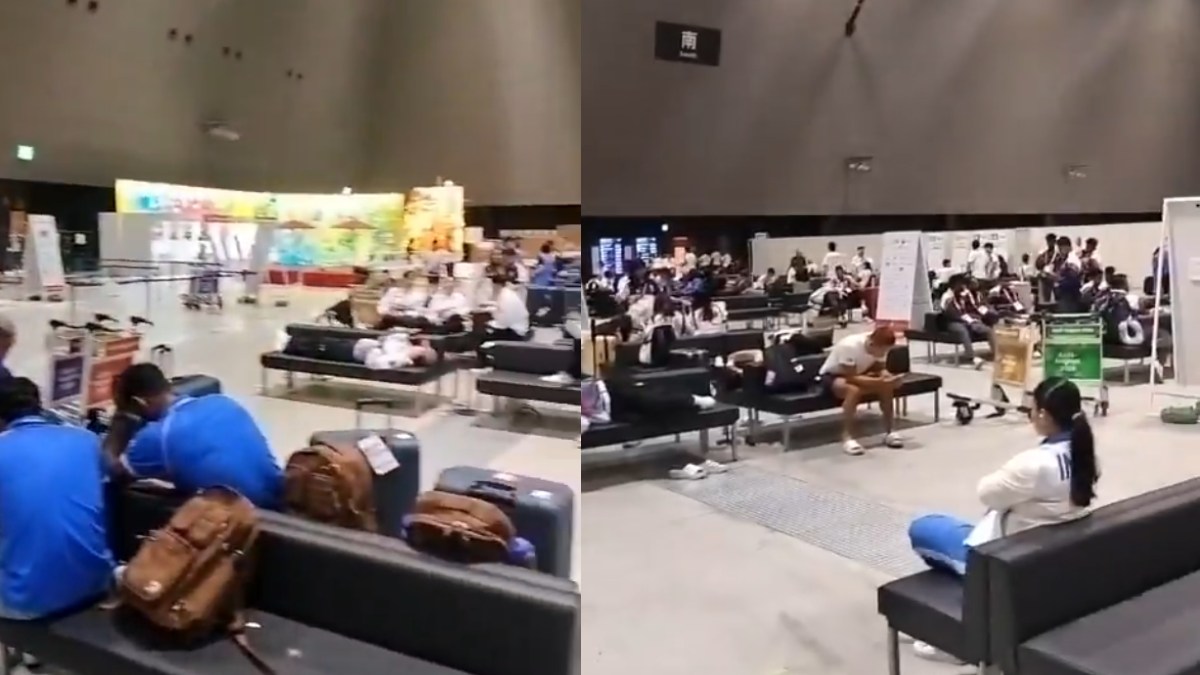
Many Indian participants reported delays in getting their rooms and transport, food, and accreditation problems, after arriving in Japan. The rowing and shooting teams were affected, with athletes waiting hours before basic arrangements were resolved.
The problems are connected in part to the unusual accommodation arrangements for this edition of the Asian Games. Organisers did not create a conventional centralised Athletes' Village. Instead, athletes and officials are being housed on a cruise ship, in container-style rooms, and in hotels in different locations.
The Games will officially open on September 19 and go on until October 4, and more than 11,000 athletes will compete in 43 sports.
Indian Rowers Struggle To Find Accommodation
The Indian rowing contingent faced one of the most difficult situations after reaching Nagoya. Many rowers arrived at the Costa Serena cruise ship used to accommodate athletes but found that rooms had not been assigned to them.
According to The Times of India, only three of the 22 male rowers initially had accommodation listed against their names, while three of India's five female rowers did not appear in the host system despite having valid accreditation.
Athletes including Indian players left stranded in Nagoya, Japan without accommodation for more than 12 hours on Wednesday. They could not get cabins on cruise ship for hours. @Xpress_Sports @indraneel0 pic.twitter.com/lF5IhczTrn
— firoz mirza (@scribefiroz237) September 16, 2026
The New Indian Express said some rowers waited more than 14 hours for accommodation. A few athletes who did get rooms were forced to share them because of the room allocation system.
The athletes also experienced problems with their equipment before arriving in Japan. Some members of the rowing team were reported to have difficulty checking their oars onto a flight from Mumbai. The equipment was then moved through Delhi and was expected to reach Nagoya before the team's first official practice session.
The delays were particularly concerning because the rowing competition starts soon after the athletes' arrival, leaving little time for rest and preparation.
Shooters Face Transport And Food Problems
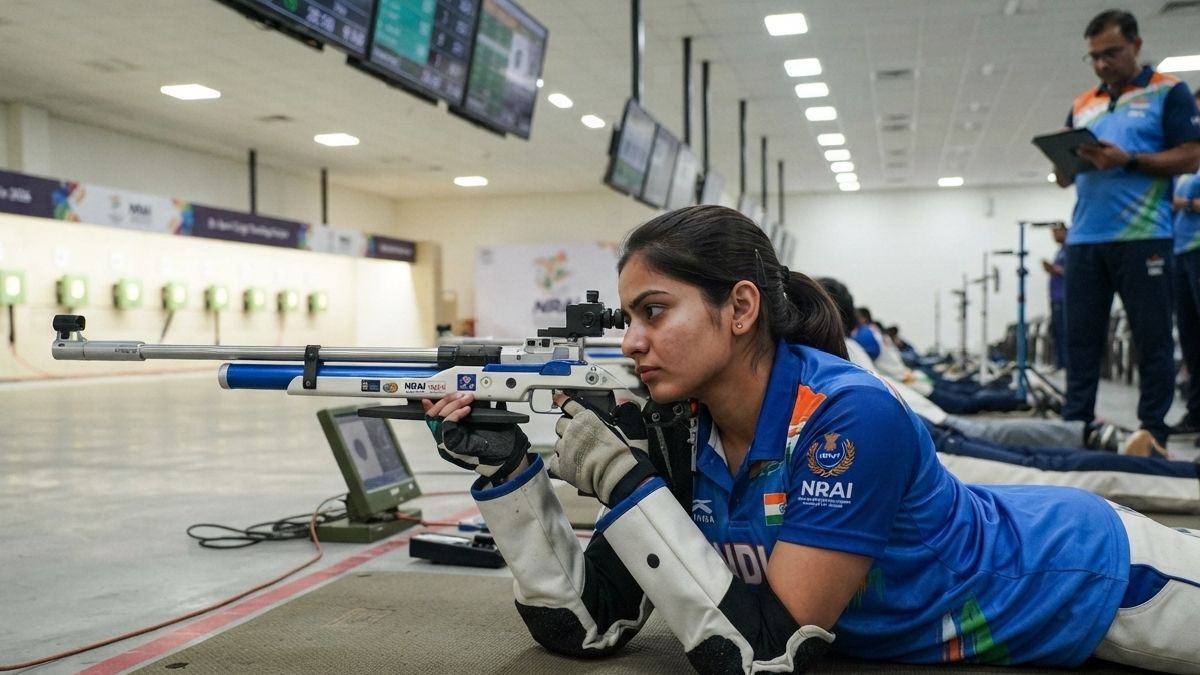
The Indian shooting contingent also experienced difficulties after landing in Nagoya.
According to reports, the shooters arrived at Nagoya airport around 9 pm on Tuesday but had to wait for nearly three hours to get to their accommodation. The Times of India reported that the athletes were unable to find food at the airport and were transported to their hotel at about 4 am.
The transport disruption was not limited to the Indian delegation. Other delegations arriving at Aichi Sky Expo, near Chubu Centrair International Airport, also experienced long waits due to the transfer system and athlete information problems.
Some delegations were unable to board pre-arranged shuttle buses, NDTV reported, because their details could not be found in the on-site system. Athletes and officials from multiple countries were left waiting for hours.
Indian shooters also experienced an accreditation issue with pistol shooting head coach Samaresh Jung. His accreditation did not allow access to the players' arena and field of play at first. The matter was then taken up with Indian sporting authorities.
Unusual Accommodation Plan Adds To Challenges
The accommodation problems stem from the decision not to construct a traditional Athletes' Village for the Aichi-Nagoya Games.
Instead, the organisers are using the Costa Serena cruise ship at Nagoya Port, container-style accommodation at Garden Pier, and commercial hotels in Aichi Prefecture. Around 4,000 to 5,000 athletes are expected to stay on the cruise ship, and about 2,000 participants are being housed in container-style units.
The unusual arrangement has also affected athletes from other countries. Local reports have cited accommodation concerns for delegations from Vietnam, China, South Korea, and Thailand. Japan's own team has also been looking for alternative accommodation after some room assignments were reported to put athletes and coaches together or not consider gender and team requirements.
The pressure on the organisers is partly due to the increase in the number of participants. The Games originally had around 15,000 athletes and officials, but the number increased rapidly, and the organising committee said it would accommodate up to 17,000 people.
An Indian Olympic Association official later said that all Indian athletes had been provided rooms and that at least some of the immediate accommodation problems had been resolved. But the early delays have raised concerns about how well the arrangements will function once the Games are fully underway.
India’s athletes will now need to get settled in their respective accommodation and training schedules before competition begins. Because many of the events start shortly after the opening ceremony, teams will hope the initial logistical obstacles are resolved quickly and do not hinder preparation or performance.