The US House of Representatives has gone into an early recess ahead of the November midterm elections, putting the nation's legislative calendar weeks earlier than expected. House Speaker Mike Johnson canceled votes that were to take place Thursday, and lawmakers will leave Washington on September 16, 2026.
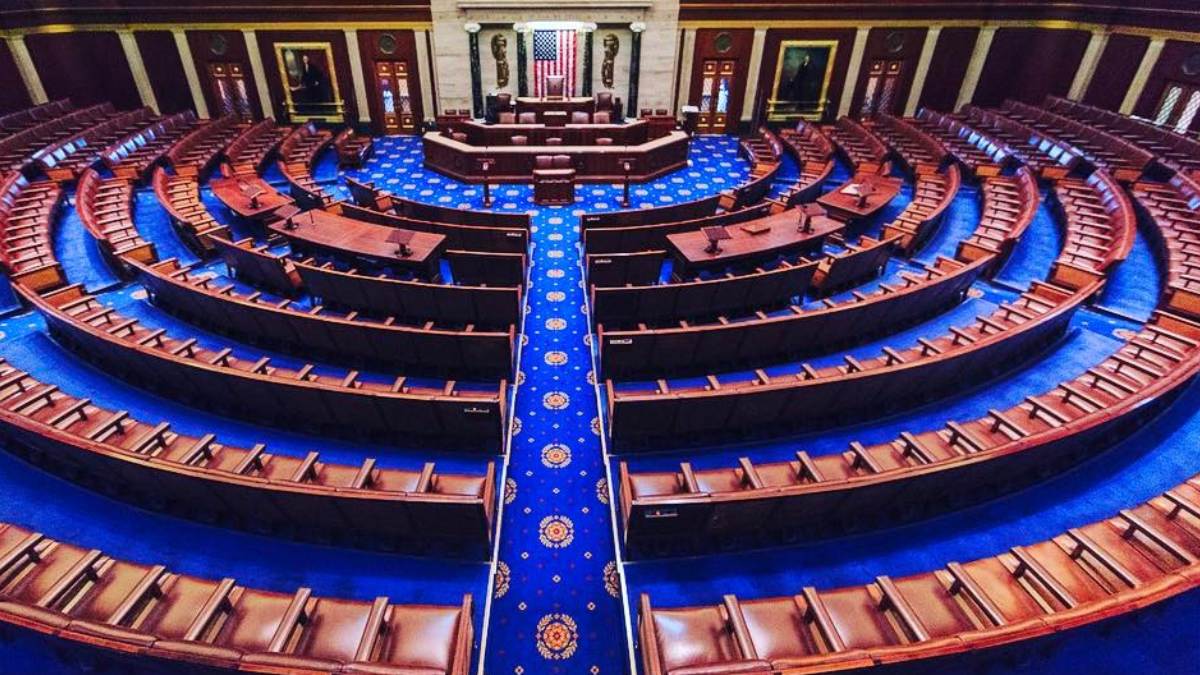
The House is not expected to return for regular legislative business until after the November 3 midterm elections, with the next session expected on November 9.
House Cuts September Work
The decision follows House leadership’s decision to delete two weeks of planned legislative work from the September agenda of what is to be done in the coming weeks.
That earlier schedule change had already reduced the number of days lawmakers would spend in Washington before the elections. The House then ended its work even earlier, canceling the remaining votes for the week.
For that reason, lawmakers will spend much of the period before the elections campaigning and working in their districts.
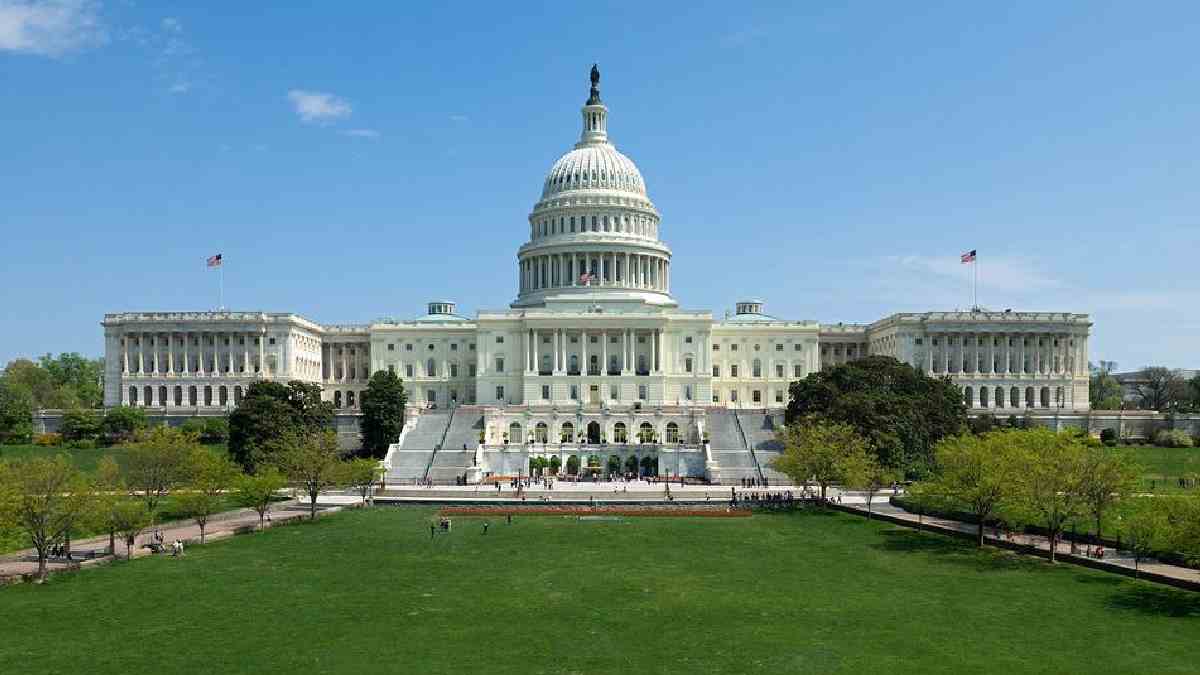
Why was the House Recessed Early?
The House has made a lot of progress, Speaker Mike Johnson said, but members needed time to return to their districts before the elections.
The timing has also attracted political attention because there are still a number of issues unresolved. Republican Representative Thomas Massie has introduced a resolution to impeach Defense Secretary Pete Hegseth.
And because the House has recessed, that issue is likely to wait until lawmakers return after the elections.
AI Legislation Also Delayed
Another issue that could be affected by the shorter schedule is legislation on artificial intelligence.
More than 100 House Democrats had urged Johnson to keep lawmakers in Washington to work on AI safeguards, according to The Guardian. Several lawmakers have argued that Congress needs to address the rapid development and deployment of AI technology.
And the early recess means further discussion of those proposals and legislative action on those proposals will have to wait until Congress comes back.
What happens after the Elections?
The House is expected to return in November after the midterm elections. The elections take place on November 3 when voters choose all 435 voting members of the House and members of the Senate and other offices.
The post-election session could bring a number of pending issues back to the House floor, including legislation that was not completed before the recess.
Reactions From Both Parties
The decision has drawn criticism from Democrats and some Republicans. Democratic lawmakers have argued that the shorter schedule leaves important legislative matters unfinished.
In the House, Representative Thomas Massie has also criticized the repeated early recesses, wondering why lawmakers were leaving Washington while major issues were still unresolved. Johnson, meanwhile, has defended the House’s legislative history and described some of the work that’s still pending as political exercises rather than urgent legislative priorities.
Hence the competing explanations for how the House should deal with all of this, as well as the pressure of an election year.