Trump has maintained a measured yet hopeful approach to the diplomatic talks with Iran and has said he wants talks going on with Iran, and that they are moving forward and that negotiations are moving forward. But this diplomatic opening does come with a very strong and firm warning from him with a warning that if the current diplomatic channels don't have the goods, that if things don’t work out now, Washington will immediately restart heavy military campaigns. Speaking at a campaign rally in Michigan in May, Trump made clear his administration’s stance to show that compromise has limits and strong deterrence will be required.
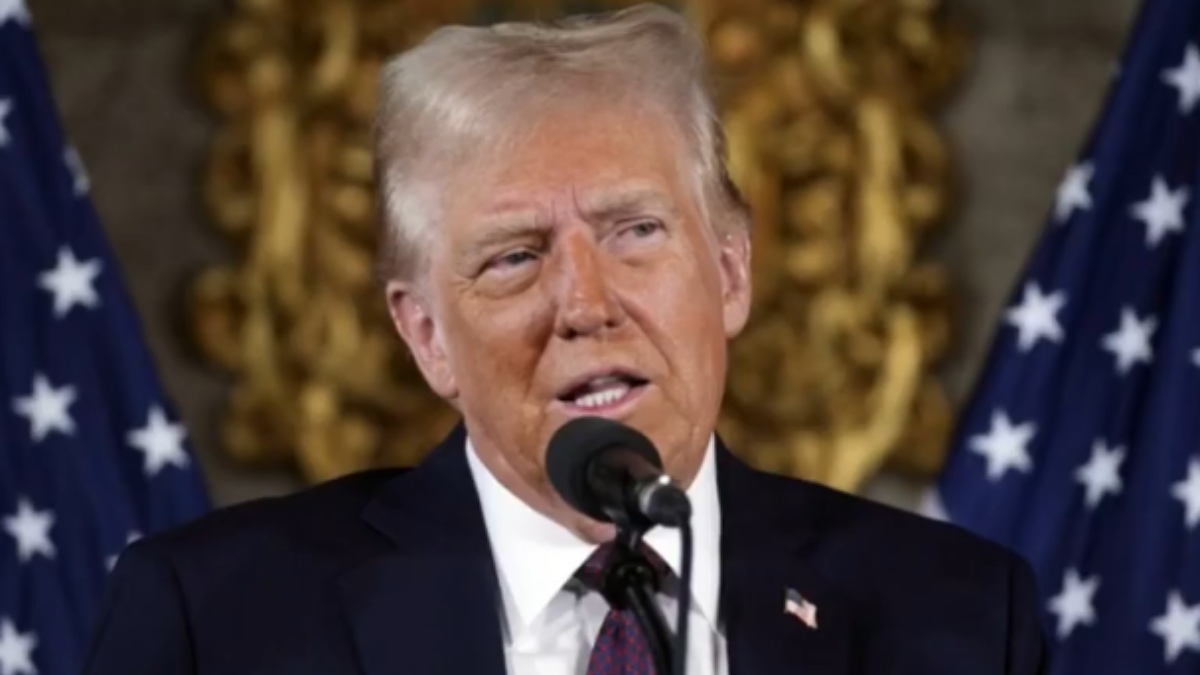
The President told traveling press corps members aboard Air Force One that talks on de-escalating the regional conflict are beginning to take shape. The objective is a solution is possible if both sides remain engaged but he kept that in mind as he was also pragmatic on how fast the situation can change, he said. But despite all that good news in Washington, Tehran has downplayed the possibility of direct talks. Iranian Foreign Ministry spokespersons dismissed the claims that Tehran started the dialogue by approaching and asking for direct talks as just talk and said that although diplomatic channels are open, the dialogue is always done indirectly through the channels of the regional mediators.
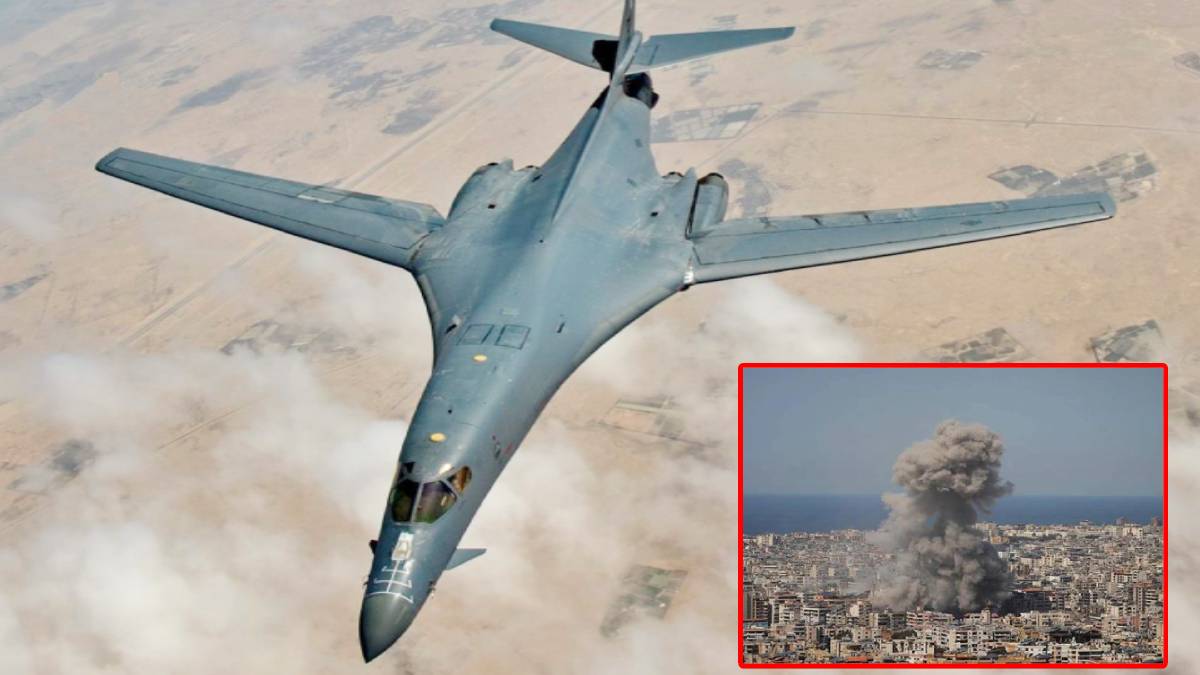
The diplomatic maneuvering follows a tactical pause in the U.S. air campaign, which had given targets in Iran a series of nights of intense bombing. This temporary respite in fighter jets has provided a much-needed respite for commercial maritime trade and global energy markets, particularly in the volatile Persian Gulf. While the U.S. and Iran have stopped direct talks, peripheral instability and proxy friction are still playing out in the Middle East. Saudi Arabia already warned of hostile drones attacking key petroleum installations and allied regional forces saw their own aerial attacks that showed the fragile security architecture still in place in the area.
At the heart of diplomatic contention is the strategic control and security arrangement on the Strait of Hormuz, one of the world’s most vital energy transit routes. Negotiators are working to create sustainable mechanisms to make the passage for commercial shipping safe while respecting national sovereignty and security borders, and trade traffic along the key waterway has dropped to multi-week lows because of safety fears, but military analysts are still at war with whether long-term air campaigns can continue. But President Trump is confident in the U.S. defense capabilities and dismisses inventory problems and insists on military readiness that is strong even in the face of diplomacy’s ultimate test.