The United States has sent its B-1B Lancer, a long-range supersonic strategic bomber, to targets in Iran in the latest military strikes to escalate the war. The bomber was used to strike Islamic Revolutionary Guard Corps (IRGC) targets, U.S. officials said.
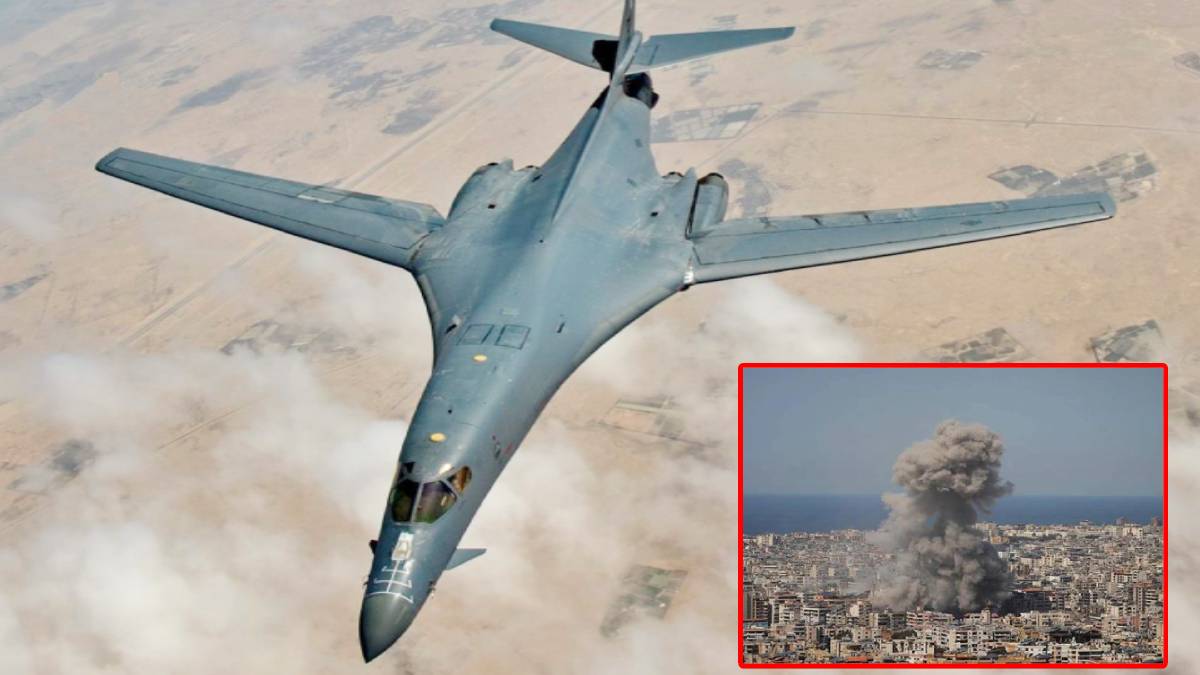
The B-1B Lancer is one of the most powerful conventional bombers in the U.S. Air Force; a long-range aircraft capable of supersonic flying, carrying a vast amount of conventional weapons that can be fired from an airfield with high velocity and a high-precision trajectory, and deep-pocketed and well-prepared for any sort of attack on a target.
According to reports, the bomber launched from a U.S.-allied air base and conducted a series of strikes on IRGC sites. This is part of an effort by the U.S. military to curb Iran’s military armaments at a time of continuing regional tension.
The strikes come as Middle East tensions are rising. The United States continues to expand its military presence in the region, with personnel attacks and threats to its interests on the rise. The military has said the actions are meant to counter attacks and to maintain regional stability, but the strikes have raised fears of further escalation.
The B-1B's speed, range and payload make it great for long-distance precision strikes, military experts say. Unlike the stealth-centric B-2 Spirit that has had its high-speed, advanced electronic warfare systems, the B-1B has carried huge amounts of precision munitions for its work. And it’s been a crucial platform for many U.S. military operations in all aspects of the past few decades.

The deployment also shows the United States’ ability to rapidly project airpower in different areas using strategic bombers supported by aerial refueling and allied bases. Such operations allow U.S. forces to strike distant targets while maintaining operational flexibility.
The use of the B-1B Lancer has been a focus of world leaders as diplomatic efforts continue alongside military activities. Regional governments and world powers are closely monitoring developments as they grow concerned that a continuation of exchanges would further destabilize the Middle East.
Though U.S. officials have argued that the strikes are meant to achieve military objectives, Iran has denounced previous American military actions and warned of the risk. There are also diplomatic efforts between regional mediators and other countries that continue when war is on the ground.
The B-1B Lancer’s deployment as security is evolving clearly demonstrates the increasing role of advanced strategic bombers in modern warfare and how the military and diplomatic balance of threats in one of the world’s most volatile regions can be struck.