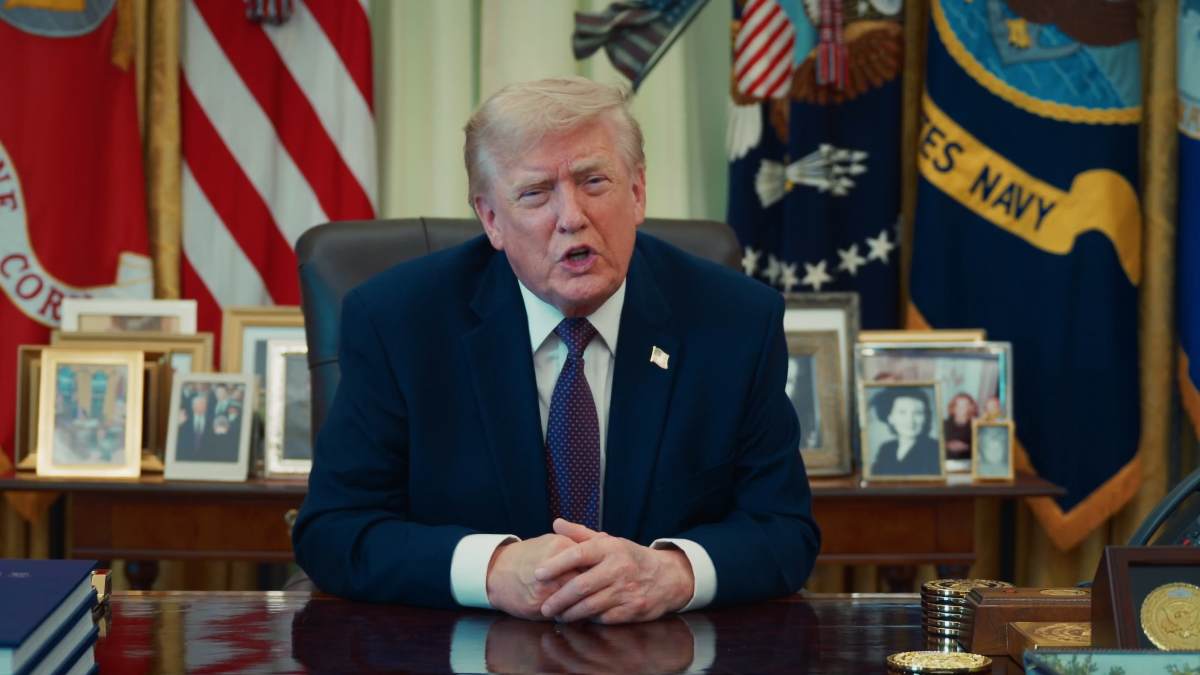
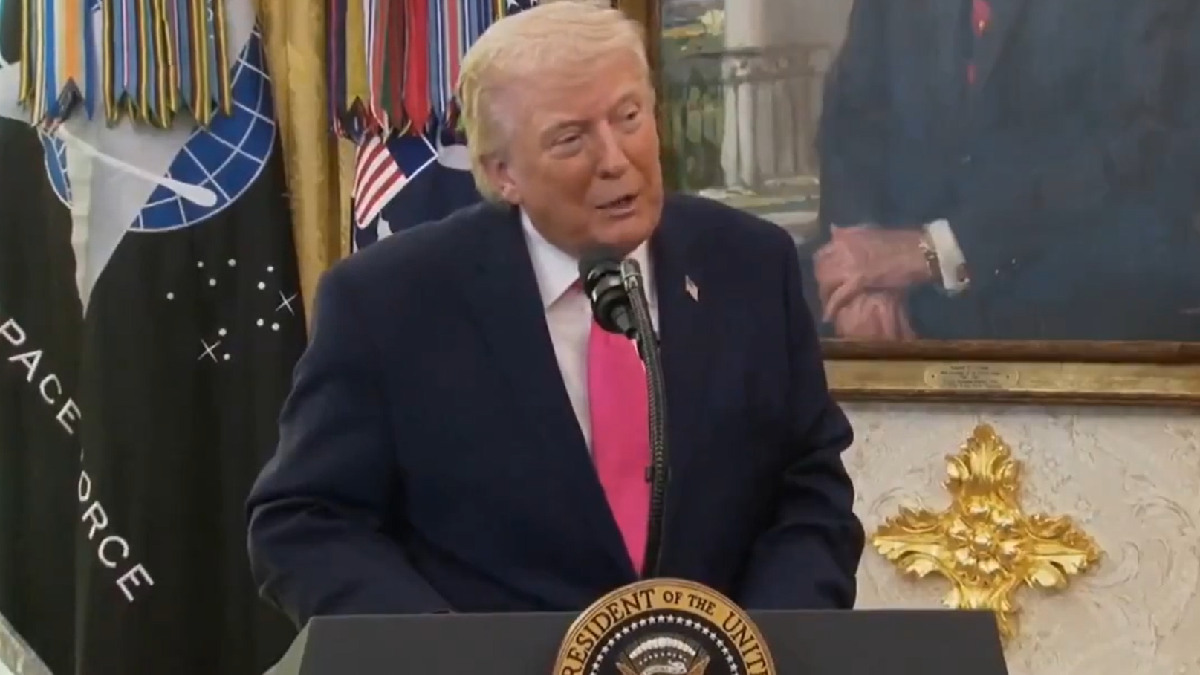
U.S. President Donald Trump issued a warning against escalation in tensions between the United States and Iran when he warned that if the two countries cannot reach an agreement in three days, Iran could see internal pipeline explosions.
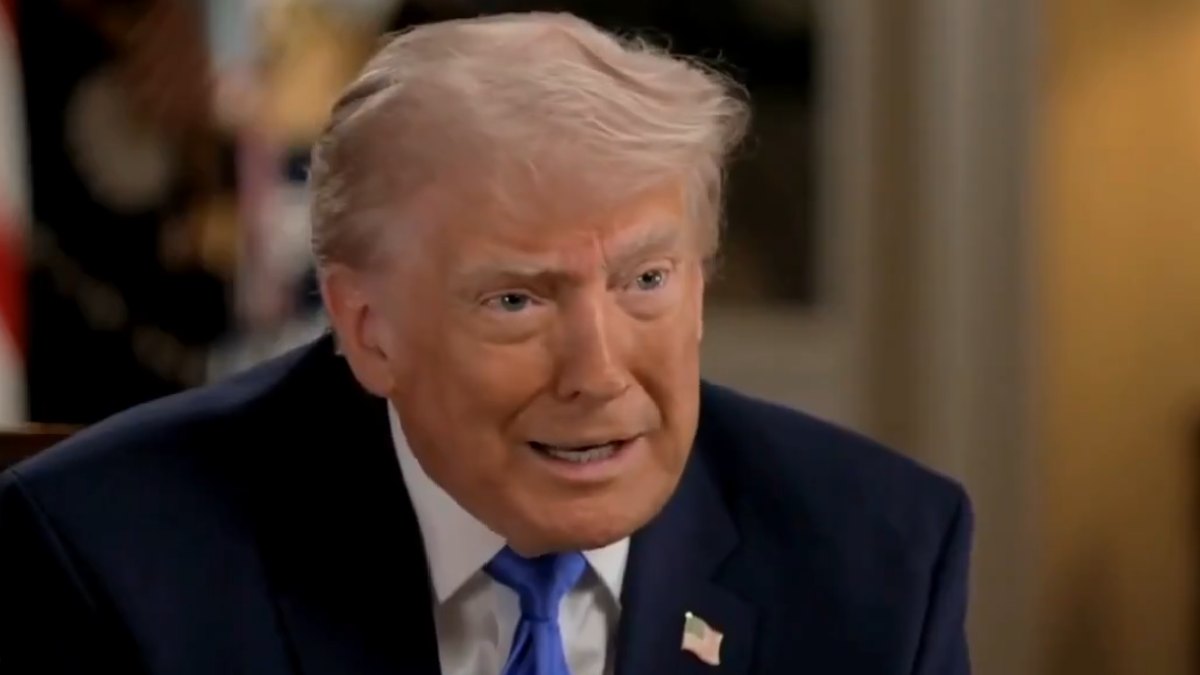
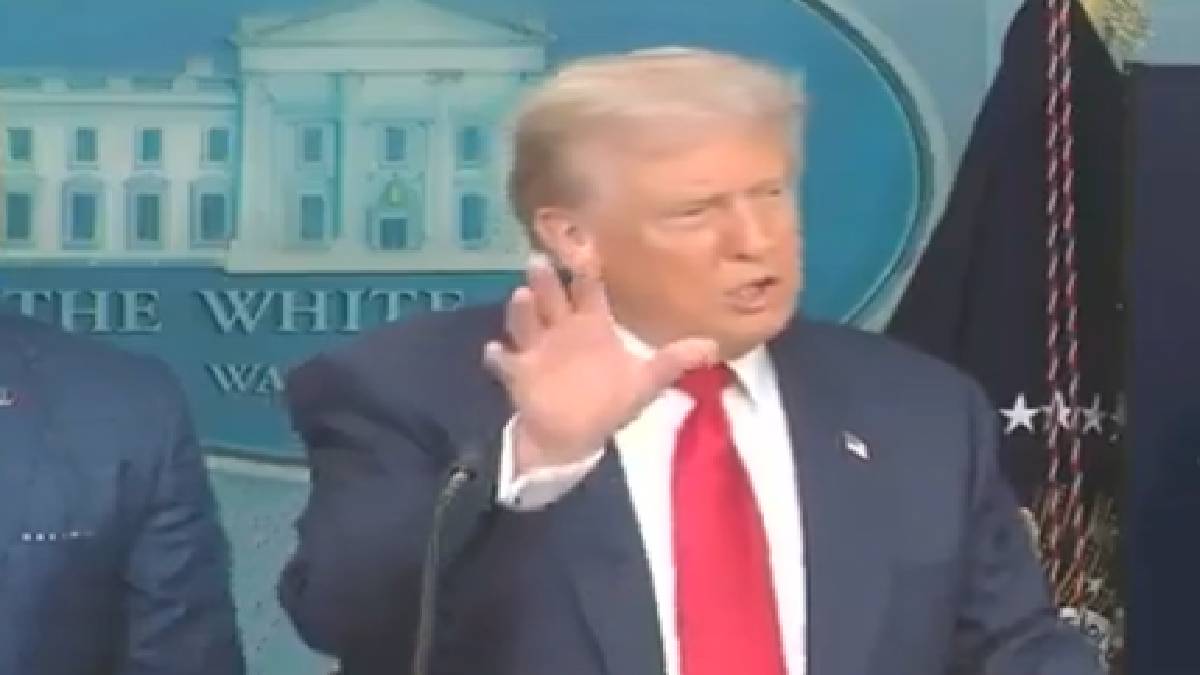
His speech was alarming to the world, and it revived fears of regional instability. Trump asserted in a public statement that the pressure on Iran is hitting a breaking point, but he also said the opportunity to reach a diplomatic resolution remains narrow. “Just three days left,” he added, noting that any breakdown on the accord would wreak havoc on the country’s infrastructure.
Trump did not say much about the alleged threat; at least, he suggested that internal sabotage or a threat that Iran’s energy system was being undermined may be at stake. The comments have made some analysts consider whether they represent a mounting psychological pressure, a red flag that would imply a potential cyberattack or a rhetorical gambit for increased bargaining.
Iran’s oil and gas pipelines are among the critical arteries in its economy; they enable the country to meet on-the-ground demand and export to world markets. Any interruption of this web might trigger massive economic and geopolitical ripple shifts not only for Iran but for the world’s energy markets.
Even any such proposals, experts say, could worsen volatility in oil prices and create regional uncertainty. Tehran officials haven’t moved quickly to respond to Trump’s statements, but they are likely to be interpreted as incendiary. Relations between the United States and Iran have been under strain for quite some time, and nuclear development, sanctions and regional pressure are great points of contention.

These remarks, whether formal or not, can only heighten an already difficult situation in the Middle East, security analysts note. And there is an extra risk of real or simulated sabotage of infrastructure and the integrity of infrastructure without a clear road map that would allow either regime to strategically or practically manoeuvre through complicated political convulsions.
But even as some analysts are arguing that Trump’s warning could serve as a tool to arm each side to strengthen its ability to exert leverage over the negotiation. It could be an effort, however, to gain concessions from Iran or to reverse the stalled negotiations. International observers see and back moderation, and new conversations.
And the powers have emphasised the necessity for diplomacy in handling Iran in a conflict in a world worried that a spiral of escalation would extend beyond its borders. The play, in its wake for the next few days, will loom large in whether, ultimately, tension gets defused with open negotiations or festers, with consequences for global geopolitical stability and energy security.