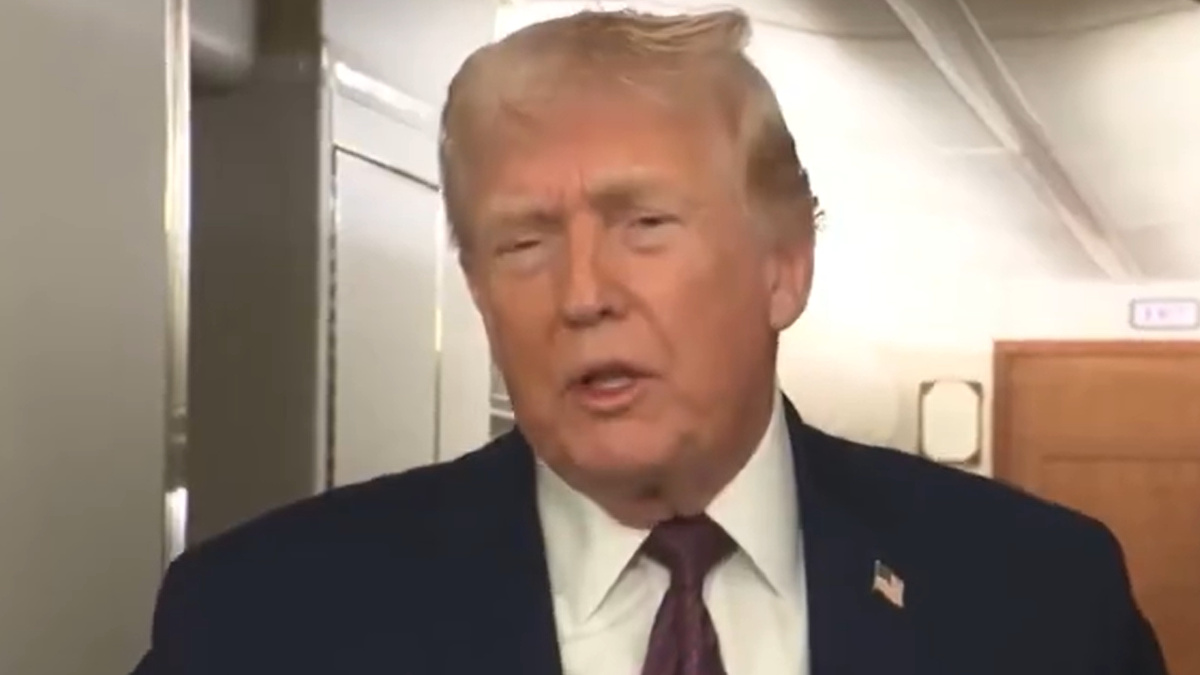
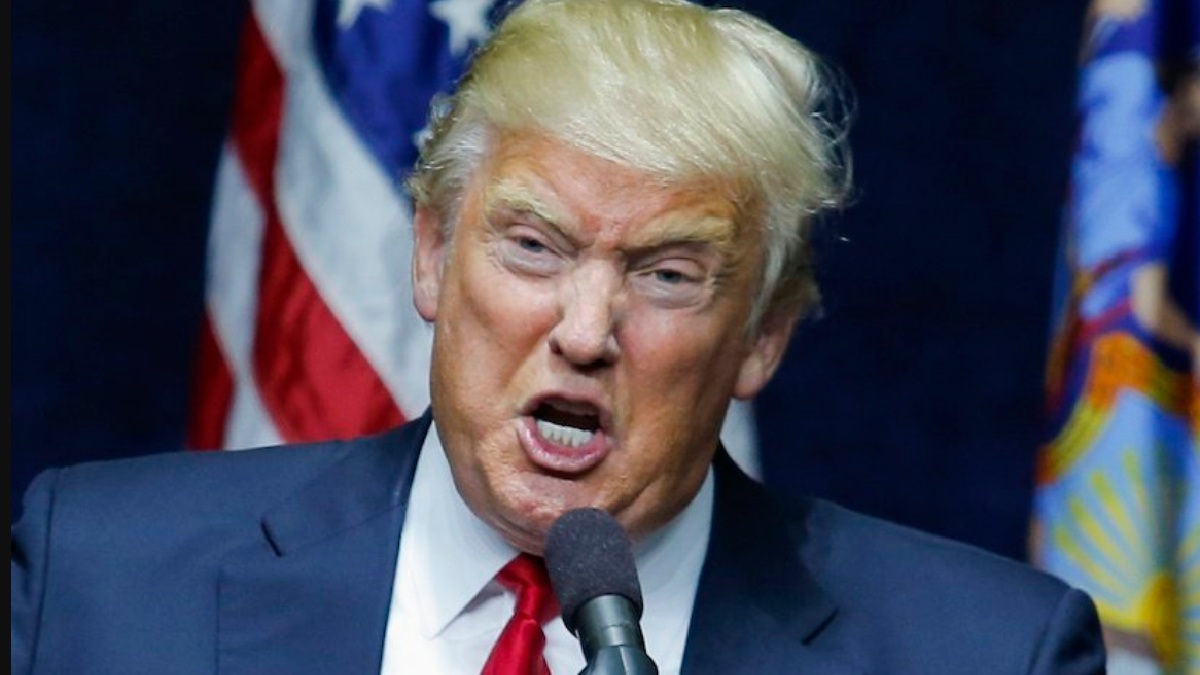
Trump has challenged Tehran’s new threat to target Apple, Microsoft and Google in the context of the US-Iran proxy war.
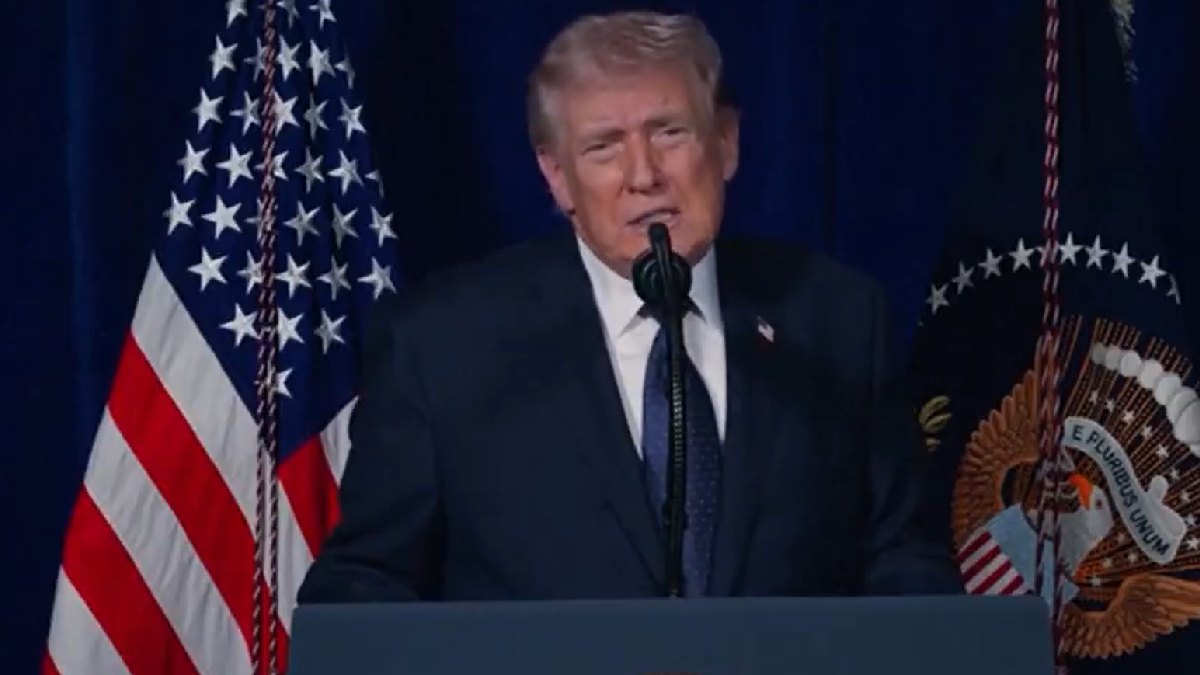
The comments came after Iran’s powerful Islamic Revolutionary Guard Corps (IRGC) issued a warning declaring several US firms as “legitimate targets,” claiming they were working with American and allied military operations.
Iran has named about 18 large companies, including tech and financial giants, and issued a warning to business owners in Iran to leave and threatened strikes, said Reuters.
Trump dismissed it, his words made at the same time to play down their impact but reinforce U.S. military capacity, as well as caution Iran to be wary of anything like attacking the countries. Which response, if any, represents aspects of a more aggressive campaign of rhetoric and threats as the war continues to spread and escalate.
The threat represents an extraordinary escalation in the nature of the conflict to go beyond military targets to corporate and technological infrastructure. Analysts say that indicates that the fight is moving toward hybrid warfare: digital, economic and corporate assets are increasingly being identified as strategic objectives.
This crisis has raised worldwide concerns for international companies operating in the Middle East and many of their employees at risk. Such situations have raised questions which have been particularly grave in that all companies stress how safe the Middle East has been.
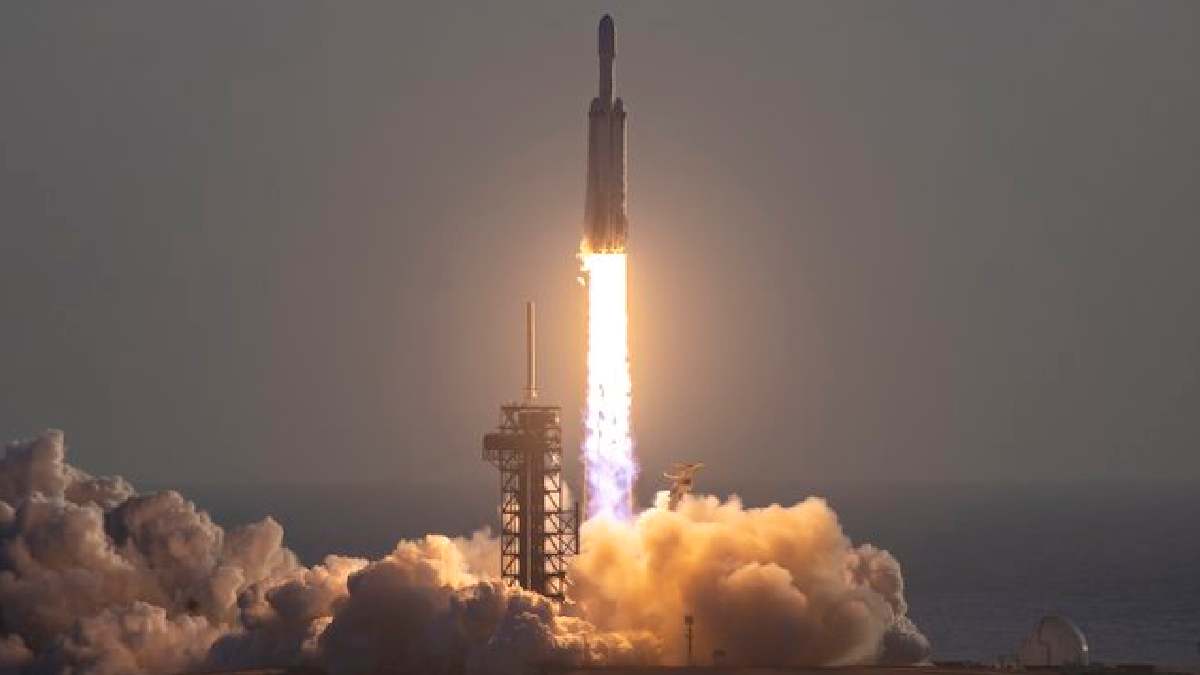
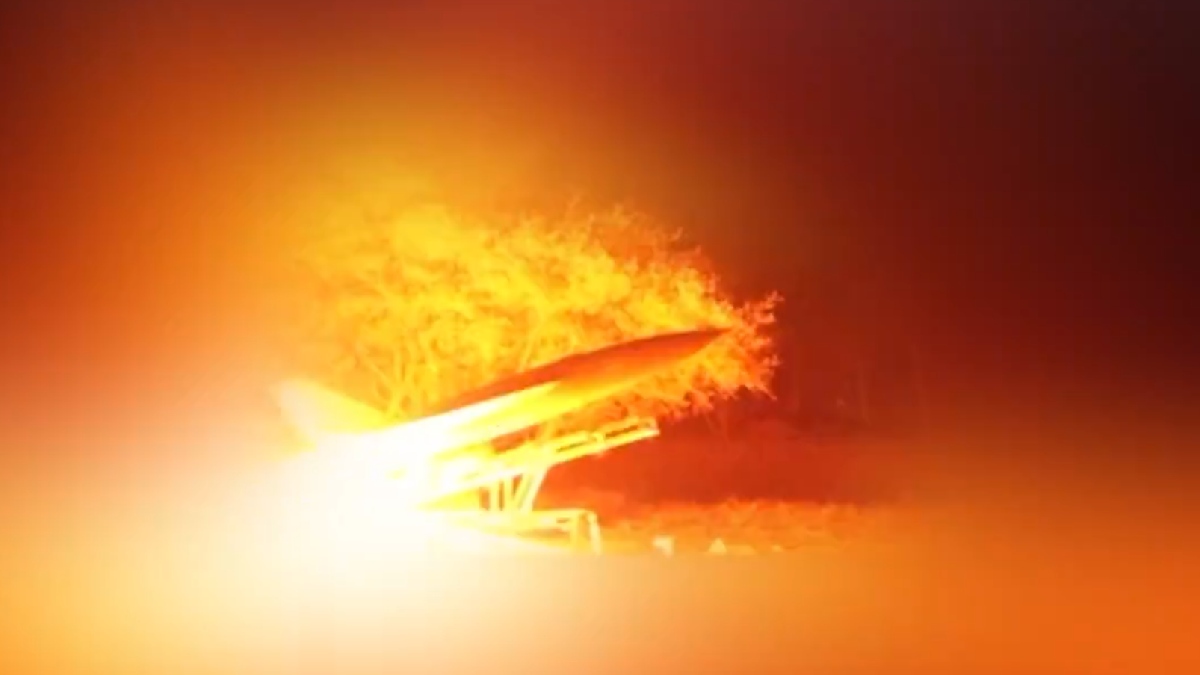
There have been attacks on airport facilities and on energy sites revealing the extent of the violence.
And this targeting of multinational companies has broad implications from the perspective of international technology, finance and supply links: They have the potential of having far-reaching repercussions and more aggressive action by the US and its partners.
The threats are being taken seriously by security agencies around the world despite Trump’s dismissive tone, despite this and what the situation could be. It will not be one and done soon, so the next few days will be critical: anxiety is high and the risk of further escalation is on both sides of this debate.
As geopolitical friction becomes more complex, warfare and global business are becoming increasingly intertwined countries, and even companies, are now caught up in international disputes.