The top national security officials of President Donald Trump have held an unannounced meeting at Camp David on Friday morning to discuss the ongoing Iran conflict and the continuing Saudi-Houthi conflict in Yemen.
The meeting was hosted by US Vice President JD Vance and brought together senior officials from the administration’s foreign policy, defence and intelligence sides. The discussions went on for hours, one of the three US officials said, and “things were decided or at least deeply discussed.” The White House did not respond to the report.
The meeting also featured Secretary of State Marco Rubio, Defense Secretary Pete Hegseth, White House envoy Steve Witkoff, CIA Director John Ratcliffe and Chairman of the Joint Chiefs of Staff Gen. Dan Caine, Axios reported.
The discussions come as the Trump administration considers its next steps in the Iran conflict, while diplomatic efforts involving Tehran remain stalled, they said.
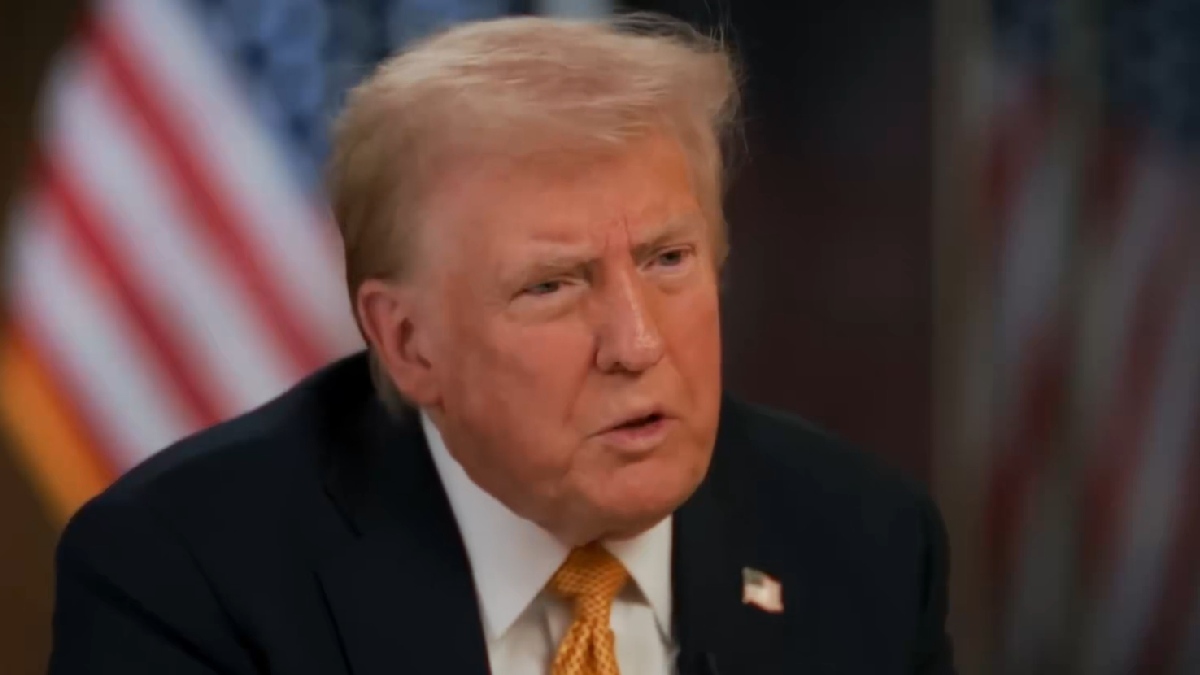
And when the meeting was done, Trump was asked by reporters about his next move regarding Iran. He wouldn't reveal details of any possible decision but said that revealing them would be a big story. “Iran is not doing well,” Trump said. Axios reported that it is now very likely to restart major combat operations against Iran, but said no decision has been made yet but that he is looking into it after the Camp David discussions.
The Camp David talks are also happening at the same time as preparations for a possible increase in US military forces in the Middle East. The Jerusalem Post said the Pentagon was considering moving more naval forces into the region, including three aircraft carriers and warships.
The plans could be as many as 20,000 more troops, up to 150 fighter jets and more destroyers, but the exact scale and timing are up to the U.S. administration.
The military planning comes as the US already has a strong presence in the region. Around 50,000 US troops have been reported to be deployed in the Middle East and naval and amphibious forces have been moving towards the area. Such deployments are now being considered in the context of the Iran conflict and preparations for possible changes in US military operations.
At the same time, Saudi Arabia is preparing for a potential military campaign against Iran-backed Houthi forces in Yemen. Reuters reported that Riyadh is considering options ranging from a small coastal operation around Bab el-Mandeb Strait to a larger multi-front campaign.
The operation, which officials said is likely to take place in the next few weeks, would likely be led on the ground by Yemeni troops under Saudi Arabia's command and backed by Saudi airstrikes.
The Bab el-Mandeb Strait is an important maritime route connecting the Red Sea with the Gulf of Aden. The Saudi operation would aim to reverse recent Houthi gains along the Yemeni coast and regain control of the area around the strait, Reuters stated.
More than 100,000 Yemeni troops could potentially be mobilised depending on the scale of the planned operation, Reuters reported. The exact timing remains unclear. People familiar with the preparations said estimates ranged from an operation within a week to one after the US midterm election in early November.
The United States has already provided intelligence and targeting information to support Saudi operations in Yemen, Reuters reported. But US and other partners are not going to participate in a direct battle in the Saudi offensive. Saudi Arabia has also looked for defensive support from other partners in preparation for drone and missile attacks related to the conflict.
The developments put the Iran conflict and Yemen’s Houthi-controlled areas in an increasingly interconnected regional security picture. The Camp David meeting, the US military buildup and Saudi Arabia’s preparations for a possible offensive all come as Washington considers its next steps in the region.
But so far, the administration has not publicly announced a final decision on renewed major military action against Iran or direct U.S. involvement in Saudi operations against the Houthis.