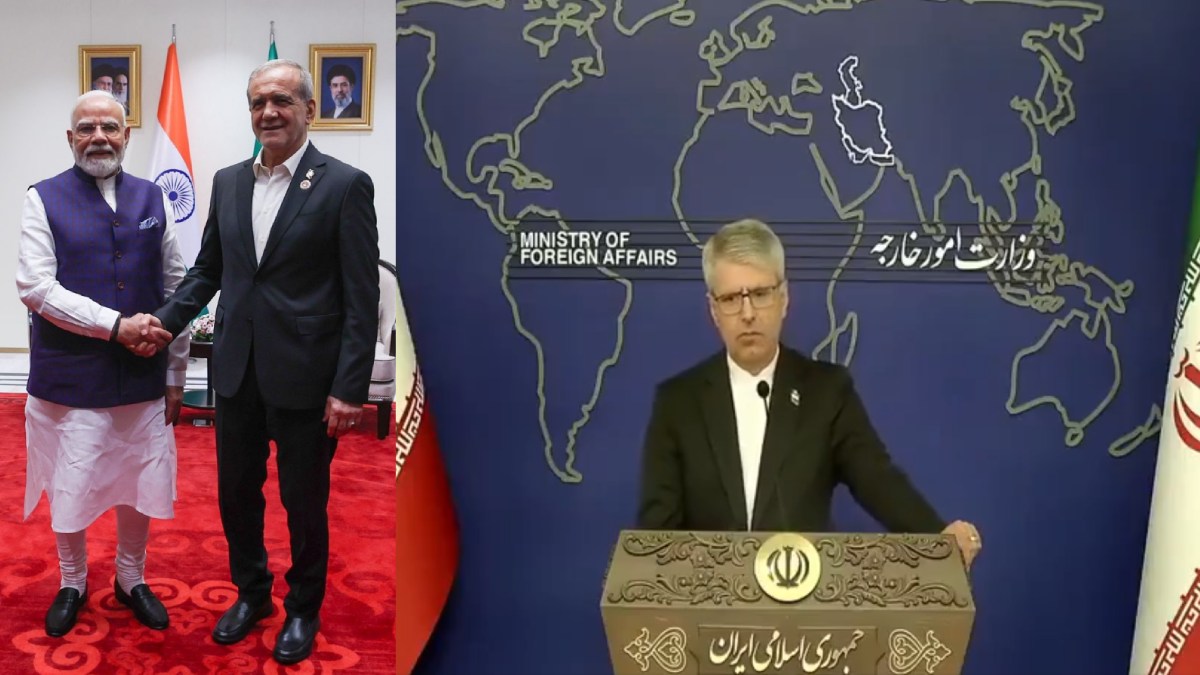
Donald Trump claims Iran would love to strike a new deal with the U.S. president as well, but Iran is not yet ready to work with the United States to reach a fair deal, he said, but Iran is not ready to return to the negotiating table.
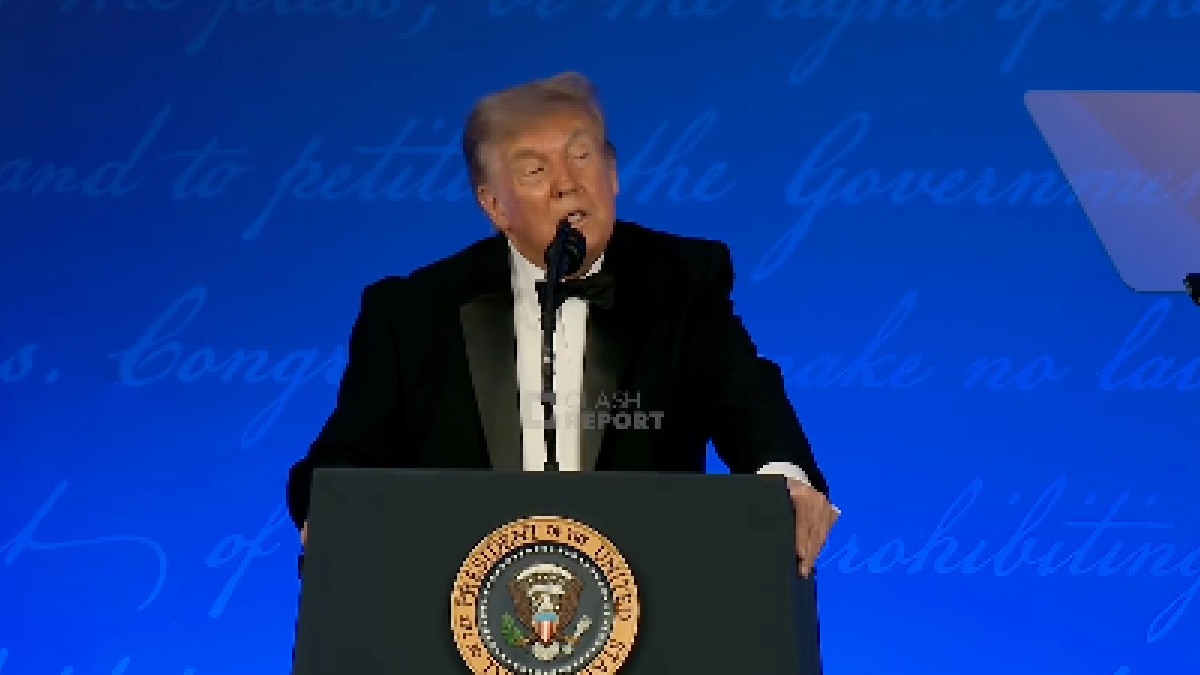
In a speech at a news conference, Trump said Iran “would love to make a deal” but Tehran seems disorganized and has no motivation to start formal talks.
The comments come as Iran and the U.S. continue to spar over regional security, sanctions, and the future of Tehran’s nuclear program. While there are no talks going on, Trump’s words have revived the possibility of a return to diplomatic relations between the two countries.
Trump did not provide specific details to support his assessment but argued that Iran is facing economic and political pressure that could eventually push its leadership toward negotiations. In his previous administration, the U.S. pulled out of the 2015 Iran nuclear deal, the Joint Comprehensive Plan of Action (JCPOA), and imposed a “maximum pressure” campaign with a heavy economic squeeze.
Iran has consistently maintained that U.S. sanctions have severely affected its economy and that its nuclear activities are for peaceful purposes. Tehran has repeatedly pleaded for the lifting of sanctions before engaging in meaningful discussions with Washington.
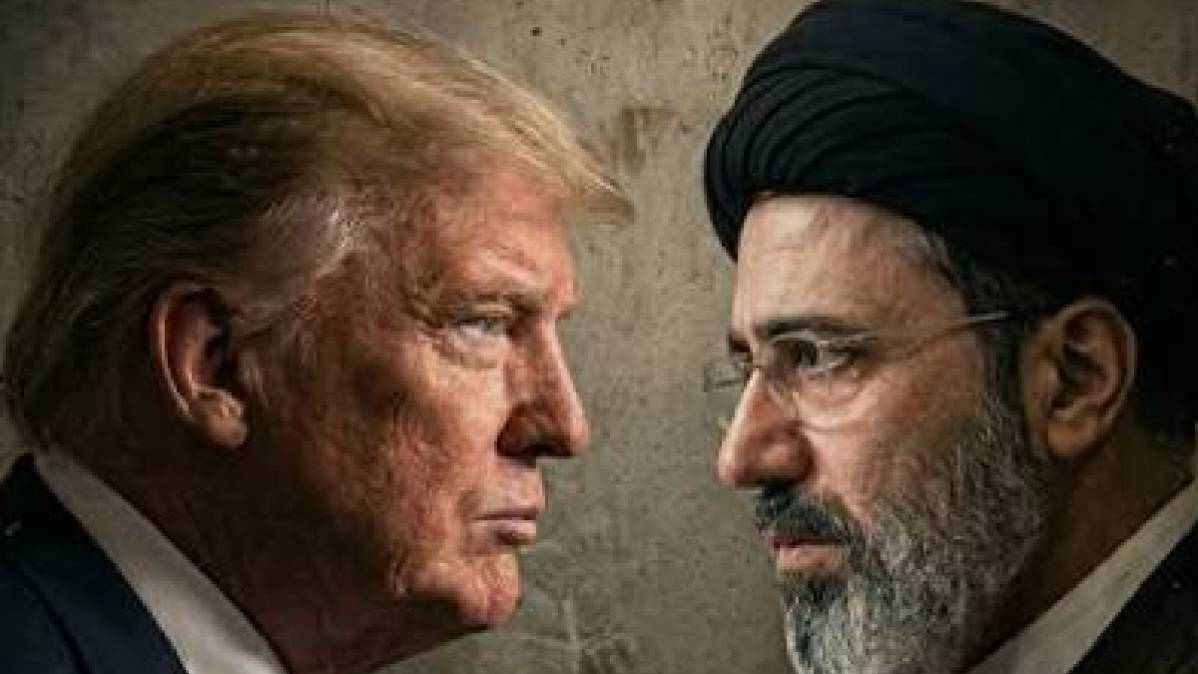
The relations between the two countries have been strained for decades, and disagreements over the nuclear issue have ranged from regional problems to missile development and support for armed groups in the Middle East. Recent military friction and diplomatic squabbles between Iran and Israel, along with U.S. involvement in regional security, have complicated the prospect of new diplomacy.
TRUMP ON IRAN: They are talking to us right now. they would like to make a deal, I don't think it's time yet, but I am willing to listen. pic.twitter.com/MGFShLTple
— Election Wizard (@ElectionWiz) July 25, 2026
Political analysts think that both sides would have strategic advantages in reducing tensions, but deep mistrust remains the biggest obstacle. Any future talks would need to be based on confidence-building measures and international mediation between Europe and other global actors.
Trump’s statement has political significance, as foreign policy is still a focal point in U.S. political life. His comments may appeal to Trump supporters who are more inclined toward a tougher stance on Iran and who also believe diplomacy is still possible if circumstances are right.
Iranian officials did not respond immediately to Trump’s comments. Tehran has previously said that negotiations with Washington are only possible if sanctions are lifted and mutual commitments are respected.
International markets and regional governments continue to keep an eye on relations between Iran and the U.S., as changing relations between Iran and the United States can affect oil prices, regional stability, and global security. Investors are also seeking signals from the economy and sanctions policy, which will affect the global energy supply.
Even if Trump’s comments may not necessarily signal a breakthrough, they indicate that U.S. and Iran relations are still very much relevant in world politics.
When diplomatic talks will eventually resume would depend on the political climate, the trust between both sides, and the willingness of both sides to have meaningful dialogue.