At a time of heightened geopolitical tensions in the Middle East, Donald Trump became the focus of a fresh furore after posting a map that, in the process, identifies the strategic Strait of Hormuz as the “Strait of Trump.” He did so only hours after he made incendiary pronouncements that Iran would eventually have to “cry uncle” to break the continuing blockade standoff.
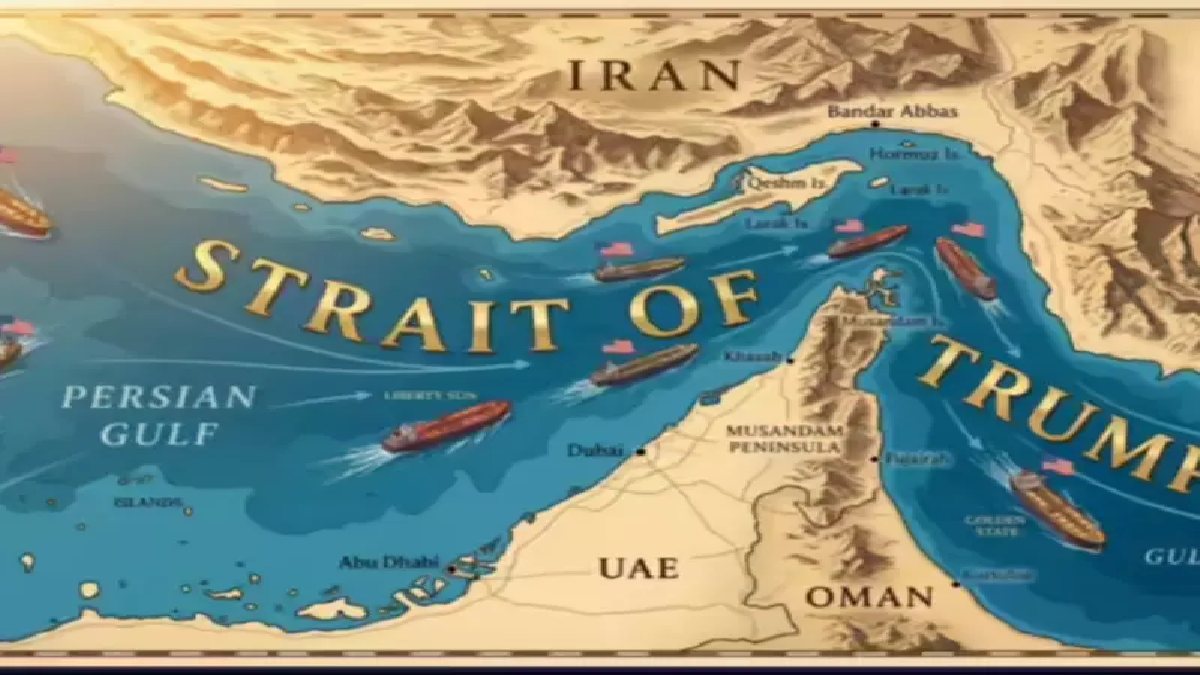
The inflammatory post, which was shared across social media, sent shockwaves around the world and quickly attracted a political and international focus. That map is ostensibly reframing one of the world’s key oil trade lines, in ways that The Associated Press widely interpreted as political communication over a formal proposal.
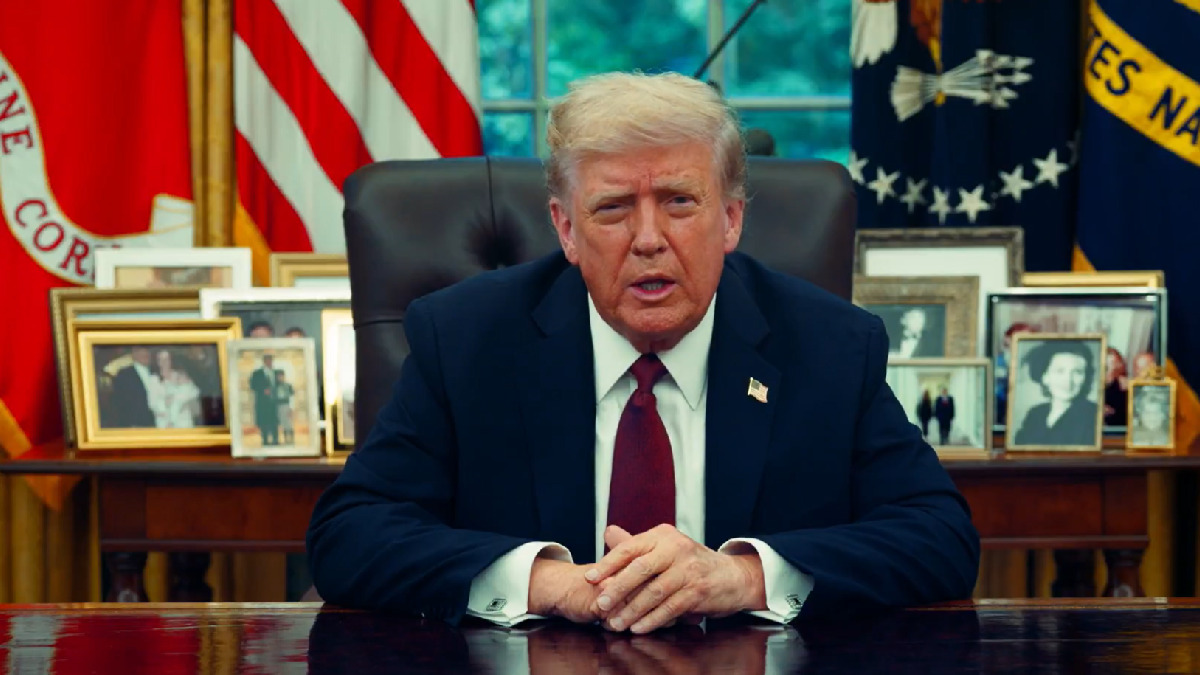
Trump is speaking while tensions between the U.S. and Iran continue to run high. In the same breath, in his recent speeches, he justifies continuing to blockade the country, arguing that this approach has severely undercut Iran’s position and may ultimately compel Tehran into talks.
Trump stressed that until Iran renounces its nuclear ambitions, no agreement could ever be struck, and he was resolved to remain stringent in the continuing conflict. Critical things are still in the Strait of Hormuz.
The narrow waterway is a vitally important global shipping artery through which much of the world’s oil is moved. But ongoing war and military conflict have reduced maritime exchange, which has only a handful of ships currently shipping the route as opposed to more than a hundred a day before the crisis. Trump’s “Strait of Trump” statement has been mixed. It’s supported by some as an assertive claim of American power and an example of his brusque bargaining method.
But others have rejected it as a symbolic and unjustifiable provocation that could lead to a more contentious situation. Analysts say using the language may signal a strategy to consolidate a position of strength as negotiations draw closer, and as diplomatic discussions at the table between Washington and Tehran have stalled.
The process of de-escalation is not yet underway; communication systems between the two sides can still open, for example, but far less progress is being made. The broader conflict has already sent ripples around the world, disrupting oil supply chains and driving up energy prices.
If the Strait of Hormuz were subjected to a widespread regional disturbance, enduring disruptions in this part of the world would carry long-term economic consequences. Yet as tensions continue to swell, Trump’s latest act reveals how the crisis has come to play out differently. Whether the symbol will find much popularity or just remain a footnote for decades to come, there is no question that it added yet another layer of drama to an otherwise complex global standoff.