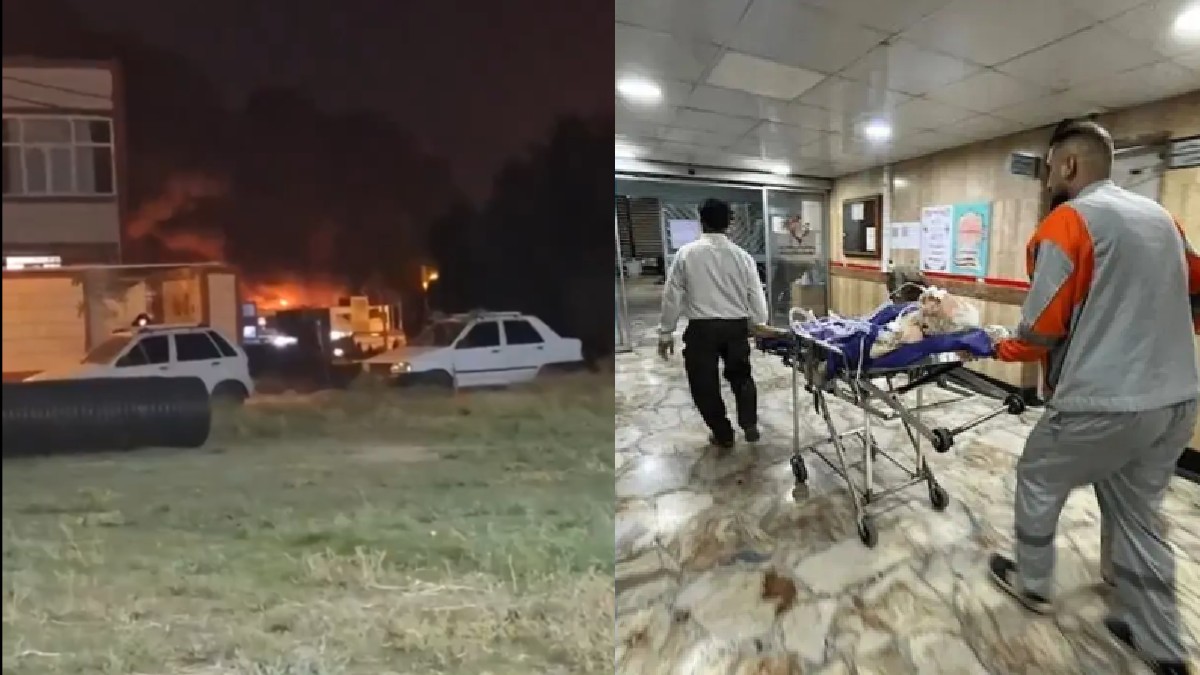
The United States has conducted its 11th consecutive night of military strikes on Iran, marking the most serious escalation in a long-standing conflict between Washington and Tehran. Central Command (CENTCOM) says military operations centres, drone storage facilities, logistics and other sites that are associated with Iran's military capabilities were targeted.
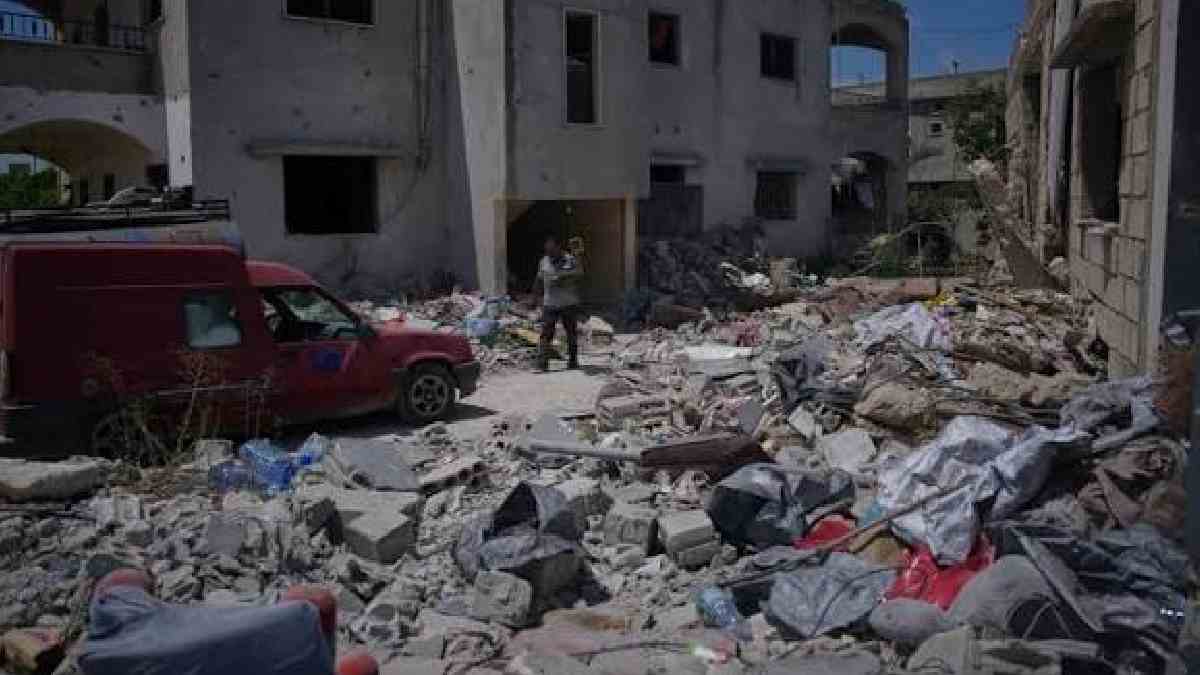
The continuous campaign suggests that the conflict has entered a longer phase and that hopes of a return to the earlier ceasefire and subsequent diplomatic activity will come to an end in the near future.
The strikes, CENTCOM said, were carried out using fighter aircraft, armed drones, naval assets, and precision-guided weapons. The aim was to weaken Iran’s operational capabilities and damage infrastructure that could support military operations and regional activity, the US military said.
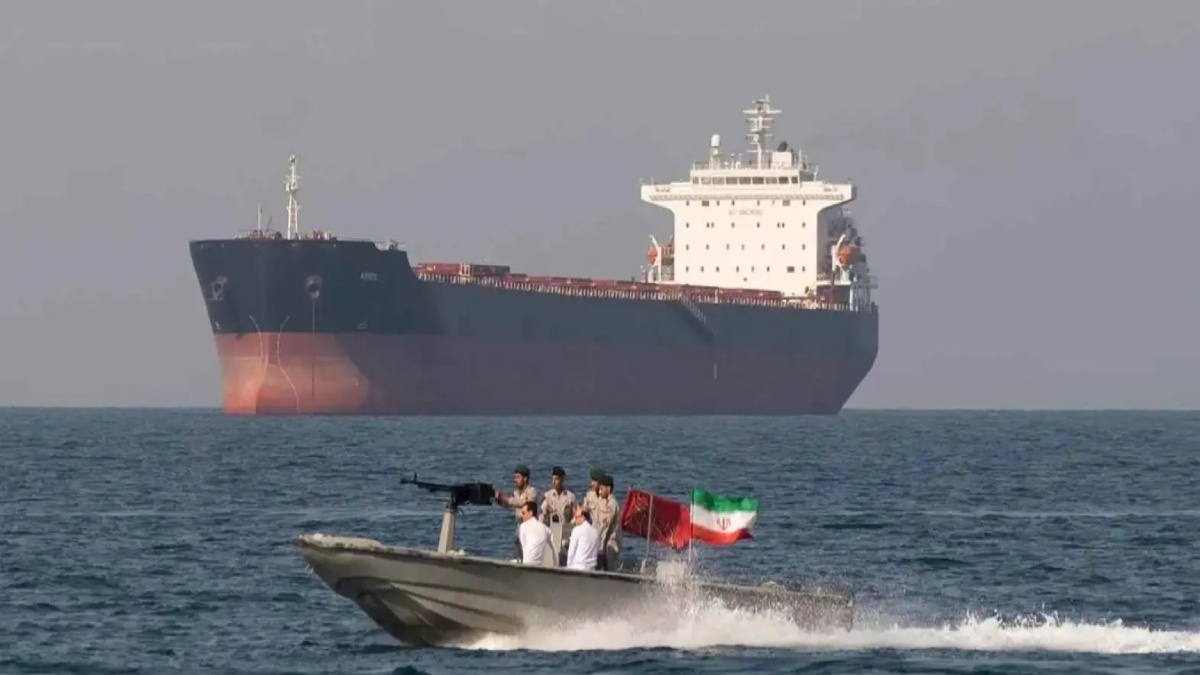
The targeted sites were associated with military planning, logistics and drone operations, officials said. The strikes are intended to reduce threats to regional stability and to protect international commercial shipping routes through strategically important waterways in the Middle East, the United States has said.
The fresh military campaign comes after a period of relative calm that followed a ceasefire and a short-lived diplomatic agreement between the two countries. But there have been renewed hostilities within the region and increasing tension in the region, and fears of a broader war are now mounting.
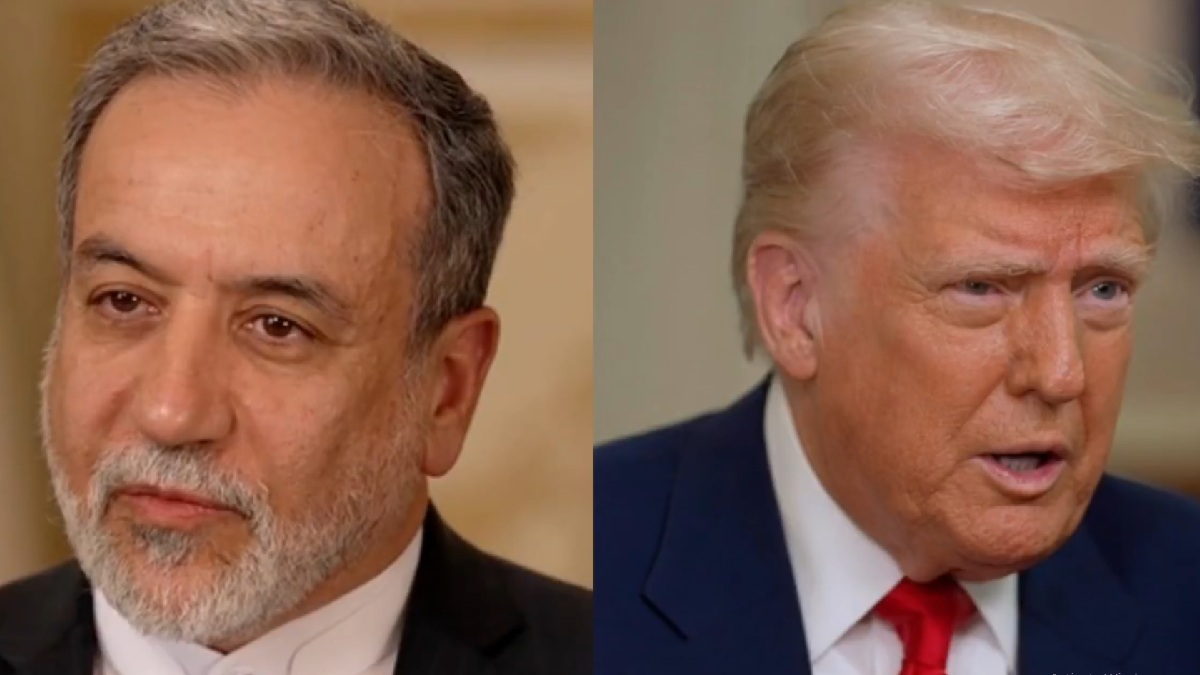
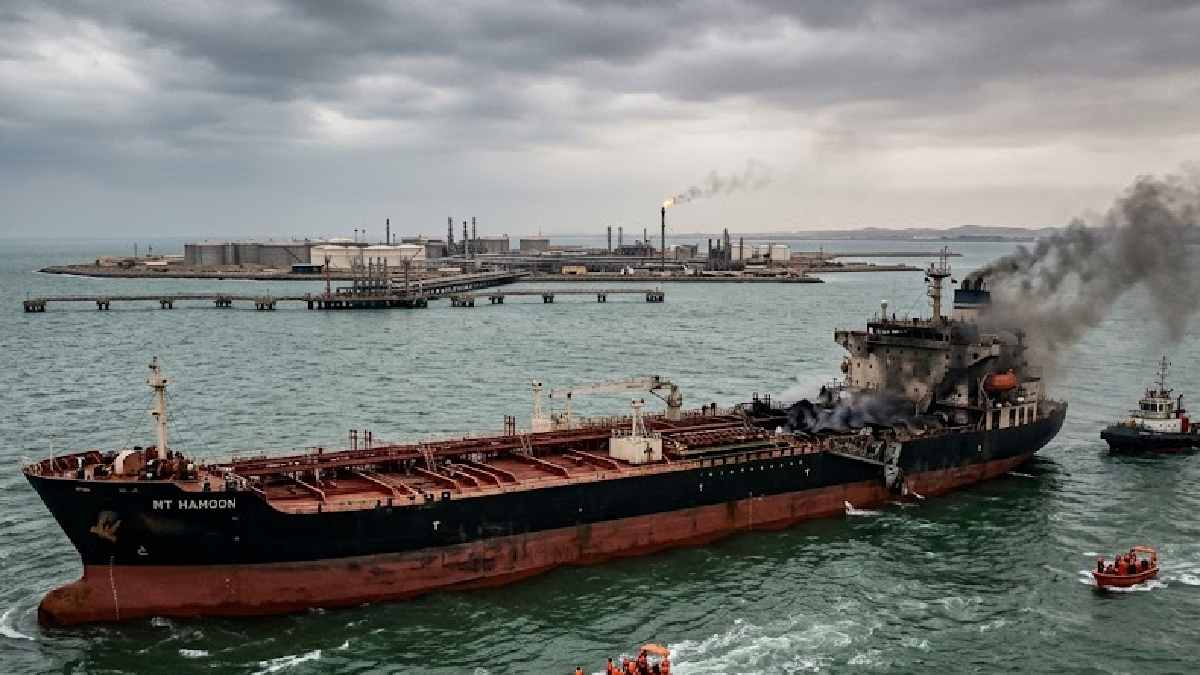
Analysts say continued military exchanges between the United States and Iran’s military will have far-reaching implications that may not only have a big impact beyond the battlefield. The Middle East is still crucial to global energy supplies and international shipping, so long-term instability in the Middle East remains at the heart of oil markets, freight costs, and supply chains that will affect transportation and global shipping.
Neighbouring countries and international observers are closely monitoring the situation, and there are fears that the conflict could spill over to other parts of the region. Several countries have called for restraint and recommended that both sides engage in diplomatic channels to stop the violence.
As well as the latest developments, maritime security in key shipping corridors like the Red Sea and Gulf region is also rising. Shipping companies will continue to review operational risks as there is still so much geopolitical uncertainty.
Financial markets are also closely watching events. Increasing tensions in the Middle East have historically resulted in higher oil prices, insurance costs for commercial vessels, and market uncertainty in general.
The continuing nightly operations, military analysts say, also signify that the United States is pursuing a longer-term strategy to destroy Iran's military apparatus rather than conducting isolated retaliatory strikes. But they are concerned that long-term military action increases the chance of unintended escalation and miscalculation.
Iran has already condemned U.S. military operations and has claimed the right to respond to such attacks on its territory and military assets. Any more attacks of this nature would play a big role in deciding the course of the war in the coming days.
There is a need for dialogue and de-escalation, the international community says, and a long-term conflict between the United States and Iran would have a serious humanitarian, economic, and political impact.
As the situation develops, international attention is always on the Middle East, where continued military activity will have a bearing on regional security, international diplomacy, and the global economy.