The US and China have already agreed to tariff reductions on about $60 billion worth of goods following a summit between US President Donald Trump and Chinese President Xi Jinping. Each country has offered to take into account about $30 billion of non-sensitive products that could be treated more favourably.
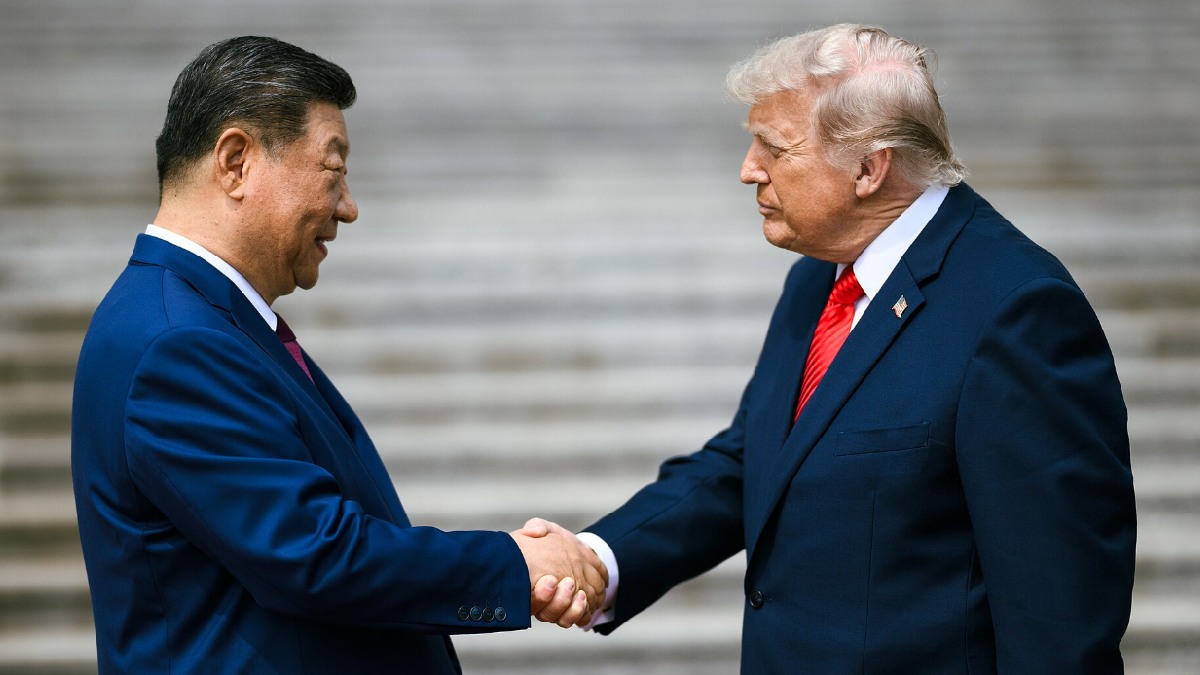
The move comes after Trump had hosted Xi in Washington for talks on trade and other trade-related issues affecting relations between the two nations. The agreement is another step in the effort by Washington and Beijing to resolve the trade war, but the two sides have not yet decided the size of the tariff reductions and when they will actually be implemented.
The US-China Tariff Deal covers $60 Billion In Goods
The US Trade Representative Jamieson Greer said the U.S. and China had recommended $30 billion of non-sensitive trade on each side to potentially receive favourable tariff treatment under the US-China Board of Trade. The product lists are based on trade data, and the framework was meant to enhance market access to specific products without resolving all trade disputes at once.
For the United States, the proposed arrangement would enhance access for a range of agricultural and other exports to the Chinese market. Greer said the US list represented roughly 30% of American exports to China, but the exact impact will depend on the final tariff rates and implementation of the agreement.
The announcement is different from a tariff reduction. The countries have identified products for preferential treatment, but the final duties and implementation timetable are still unclear. Businesses importing or exporting the affected products will need to wait for further announcements before calculating the exact financial impact.
China targets US Agricultural Products
China's proposed list contains several major categories of American agricultural exports. These include corn, wheat, sorghum, meat, dairy products, vegetable oils, and meals.
The inclusion of agricultural products is significant because farm trade has been a key aspect of negotiations between Washington and Beijing. Since trade barriers have limited access to the Chinese market, American farmers have had to contend with uncertainty on how to export agriculture to China.
But one major US agricultural product is conspicuously absent from China’s proposed tariff-cut list: soybeans. Soybeans are among the most important American agricultural exports to China, so it is a surprise that their absence is on China’s tariff-cutting list of agricultural products. China plans to reduce tariffs on a number of farm products and still hold a tariff on US soybeans, Reuters reported.
China's proposed concessions also extend beyond agriculture. Fish and seafood, logs and wood products, cosmetics, and medical devices are among those, and American exporters in multiple industries may have access to more favourable treatment.
US Plans Lower Tariffs On Chinese Consumer Goods
The United States has proposed reciprocal tariff reductions on a range of Chinese consumer products. They include small household appliances like coffee makers and toasters, tableware, blankets, and bed linen.
Toys are another major category in the proposed US tariff reductions. The broader category includes children's bicycles and other products commonly imported by American consumers and retailers.
Other products on the proposed list include fireworks, artificial flowers, holiday decorations, and children’s car seats. These products are all everyday consumer and household products rather than industrial products that are of strategic importance.
These reductions would affect the businesses that import such goods into the United States. But the actual benefit will depend on the tariff rates eventually adopted and when the changes come into force.
In terms of final tariffs and implementation date, we do not have any.
Despite the headline number of $60 billion, the agreement hasn’t yet included a complete tariff schedule. Washington and Beijing have not yet said how much the duties on individual products will be reduced.
The two countries have identified products that could have better tariff treatment. Now the details of the tariff level will be determined and the trade mechanisms will be used to implement the changes.
But this difference is vital for companies because the announcement does not immediately mean that all listed products will become cheaper to import. Importers, exporters, and manufacturers will need to monitor official announcements for details about effective dates, tariff rates, and product classifications.
The agreement is also in line with U.S. and Chinese efforts to extend the broader trade truce and address persistent economic problems. The two countries extended the trade truce for another two months through Jan. 10—so they could have more time to talk.
What does the US-China trade deal mean?
The proposed $60 billion package includes a wide range of goods from American agricultural goods and medical devices to Chinese toys and household appliances. It suggests Washington and Beijing are looking to expand trade in only a few non-sensitive goods while negotiating over far more thorny issues.
For consumers and businesses alike, the immediate impact is unclear because final tariff reductions have not been announced. The product lists indicate which categories are being considered, but they do not yet establish the final cost of importing those products.
But the development provides another channel for the US-China trade talks following the Trump-Xi summit.