The United States has expanded its effort to curb China’s power in advanced technology by expanding its trade restrictions and putting a California-based company on its blacklist for alleged connections to Chinese telecommunications networks.
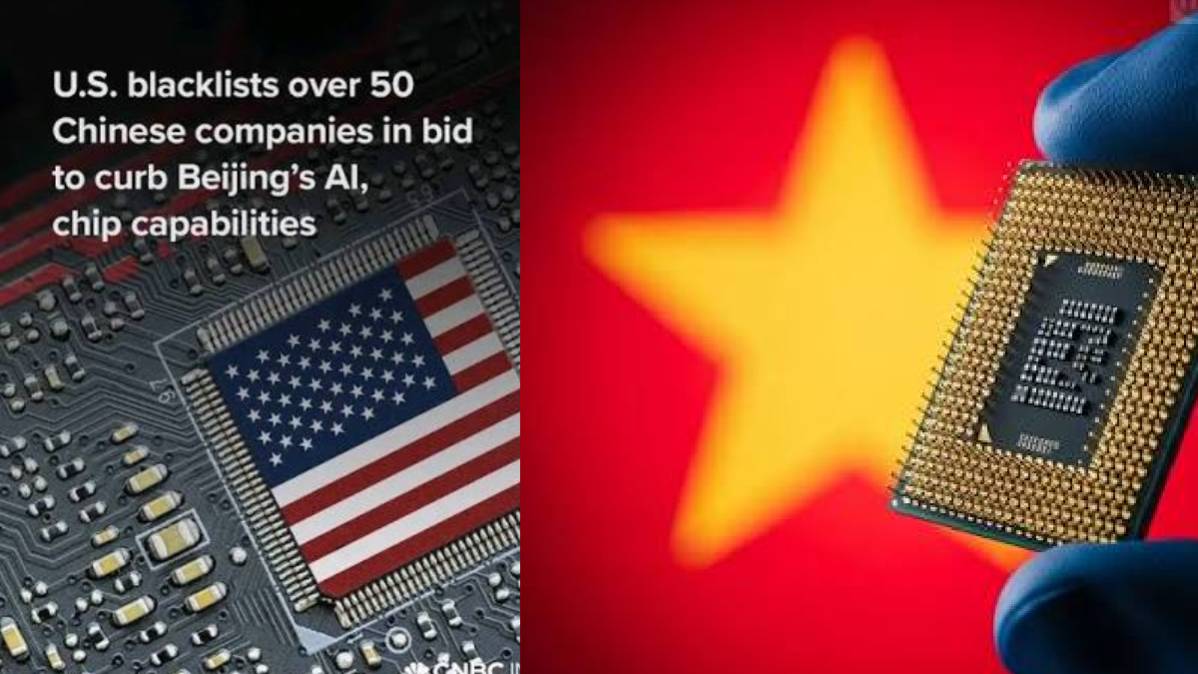
That marks another chapter in a long-running technology rivalry between Washington and Beijing, one that has been driven by national security, artificial intelligence, semiconductors and telecommunications.
According to the U.S. Department of Commerce, the new restrictions target those who engaged in activities that could pose threats to U.S. national security or support China’s technological and military capabilities.
The California-based firm was added to the Entity List because of what it has been said to have done to help or maintained ties with Chinese telecom companies already under U.S. sanctions.
The Entity List is a powerful trade tool used by the U.S. government to limit exports of American technology, software and equipment to companies considered a security concern.
Companies on the list are required to have special government approval before they can export U.S.-made products or technology, and therefore are very difficult to operate internationally.
The latest action is evidence of Washington’s commitment to protecting critical technologies and keeping any sensitive innovations from being used in ways that could endanger national security, officials said.
Details of the alleged telecom links were not disclosed but authorities stressed that the decision was made following an investigation.
China has strongly protested the recent restrictions, saying the United States is violating export controls and using national security as a rationale to block Chinese technology development.
Beijing has repeatedly claimed that those sanctions affect global supply chains and trade and unfairly target Chinese businesses without evidence.
The technology fight between the two largest economies has intensified significantly over the past several years. U.S. measures have restricted exports of advanced semiconductor chips, artificial intelligence hardware, chip manufacturing equipment, and high-performance computing technologies to China.
China has imposed export controls on key minerals and increased investment in domestic alternatives to foreign technology.
That blacklist expansion could further strain relations between the two countries, industry experts say, and pose a new set of challenges for global technology companies.
Businesses in international supply chains might need to review partnerships and compliance procedures in order to avoid violating U.S. export regulations.
And the restrictions will have a ripple effect on investment decisions, research collaboration and even the availability of certain technology products worldwide.
As geopolitical tensions still dominate the technology industry and geopolitical tensions continue to shape the sector’s politics continue to influence technology companies’ interaction and the tech industry .
They are straddling innovation and regulatory compliance and national security issues and national security threats and regulations are now the new reality businesses are now struggling to balance innovation with regulatory compliance with global demand and national security concerns.
Despite diplomatic talks between Washington and Beijing, technology remains one of the most intractable issues in bilateral relations with China as the most bitter conflicts remain one of the most challenging matters in bilateral relations.
If security concerns are not yet resolved, further export controls and sanctions could take place and further restrictions on exports and sanctions may come if security concerns persist.
So the latest blacklist is just another sign that the U.S. and China are increasingly separated in the race for technology leadership on a global level and could have implications for governments, businesses and consumers alike.