On March 2, 2026, a US Air Force F-15E Strike Eagle fighter jet crashed in Kuwait. It was recorded with the aircraft spinning down before it came to rest. The crash has raised serious concerns about safety, technical reliability, and the mounting dangers for U.S. forces in the Middle East.
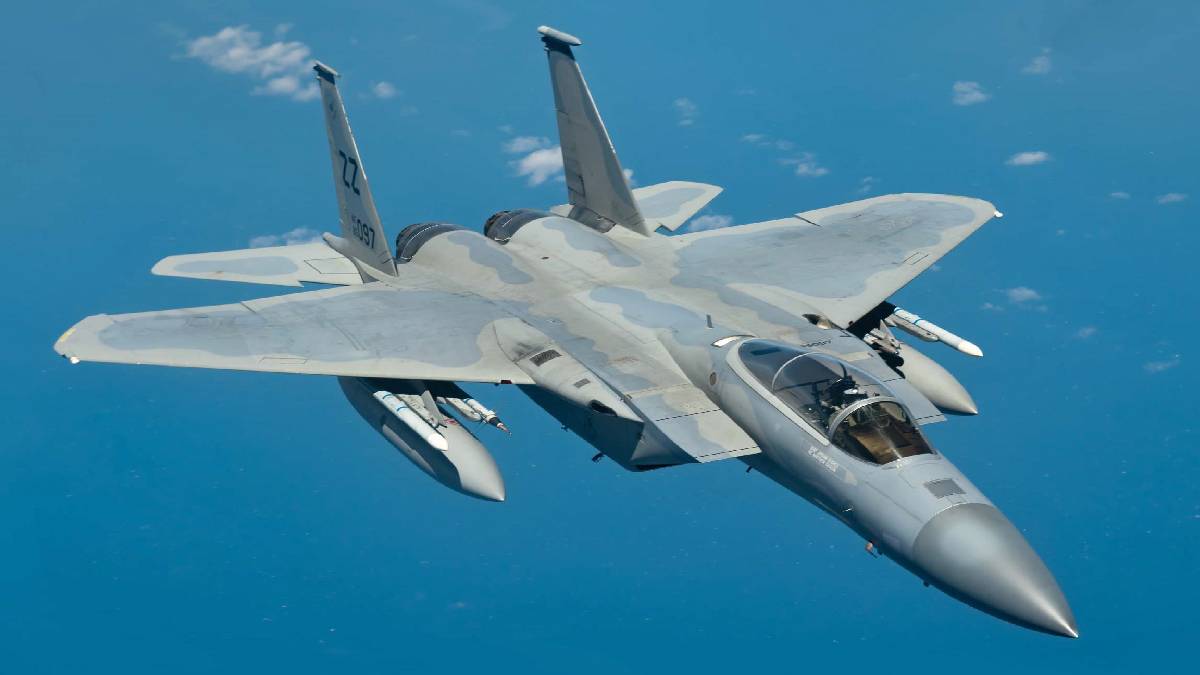
On 2 March 2026, in this day and age, over Kuwait, witnesses saw the flames come out of the F‑15E engines. Then, almost instant later, the aircraft lost control and crashed. The pilot was able to get off safely, only to be intercepted by Kuwaiti security forces and brought up to speed. The crash site was safeguarded and inquiries commenced immediately.
Kuwait’s military subsequently revealed this was not an isolated situation. They said several US warplanes have crashed over the past several days, but their details remain sparse. That has caused speculation about whether these accidents can be attributed to mechanical malfunctions, operational stress or even hostile action.
Military historian Tom Cooper put it as follows:
- Technical failure: For fighter jets like the F-15E, the power is immense, but complexity lies in what they do make. Engine problems and system malfunctions can cause disasters to occur unexpectedly.
- Operational stress: US aircraft have been flying continuous missions in a tense environment. Ongoing use raises the likelihood of accidents.
- Possible targeting: And during an increasing period of tension between Iran, Israel and the US, some viewers are asking whether the jet was attacked. Still, there is no official evidence of this yet. But though it is natural to speculate, Cooper emphasised that a complete investigation can only ascertain why something really happened.
The crash comes at a time of increasing instability in the Middle East. Reports say Iranian forces have carried out strikes at US bases in the region. And now this has placed American aircraft and air fighters at greater risk. One close US ally – Kuwait – is now embroiled in these tensions.

The loss of the F‑15E in Kuwait is a wake-up call of the risks that any combatant operating in times of war represents in the land. The fact that the pilot is alive is a relief, but the episode emphasizes the urgent importance of clarity in determining what happened. Whether it was some simple malfunctions on a technological basis or something more grave, the collision will likely impact U.S. military tactics in the region for the next few days.