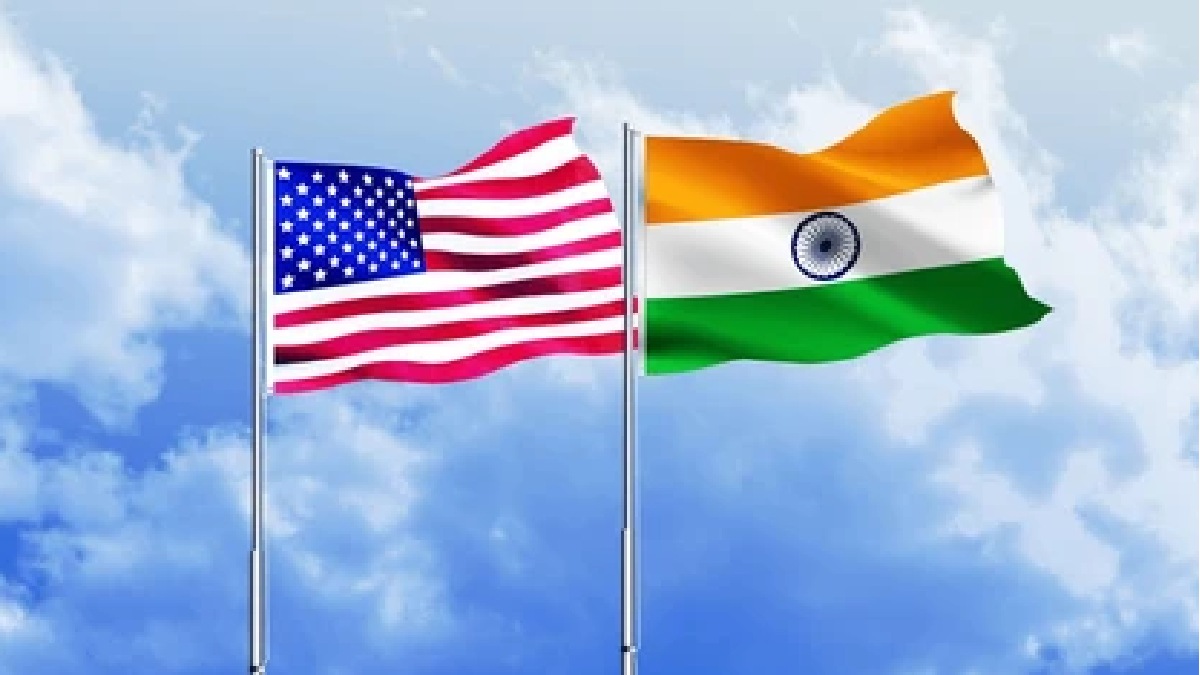
The United States has played down India’s concerns over a new Russia sanctions law that gives Washington the power to impose tariffs of up to 100% on major purchasers of Russian energy.
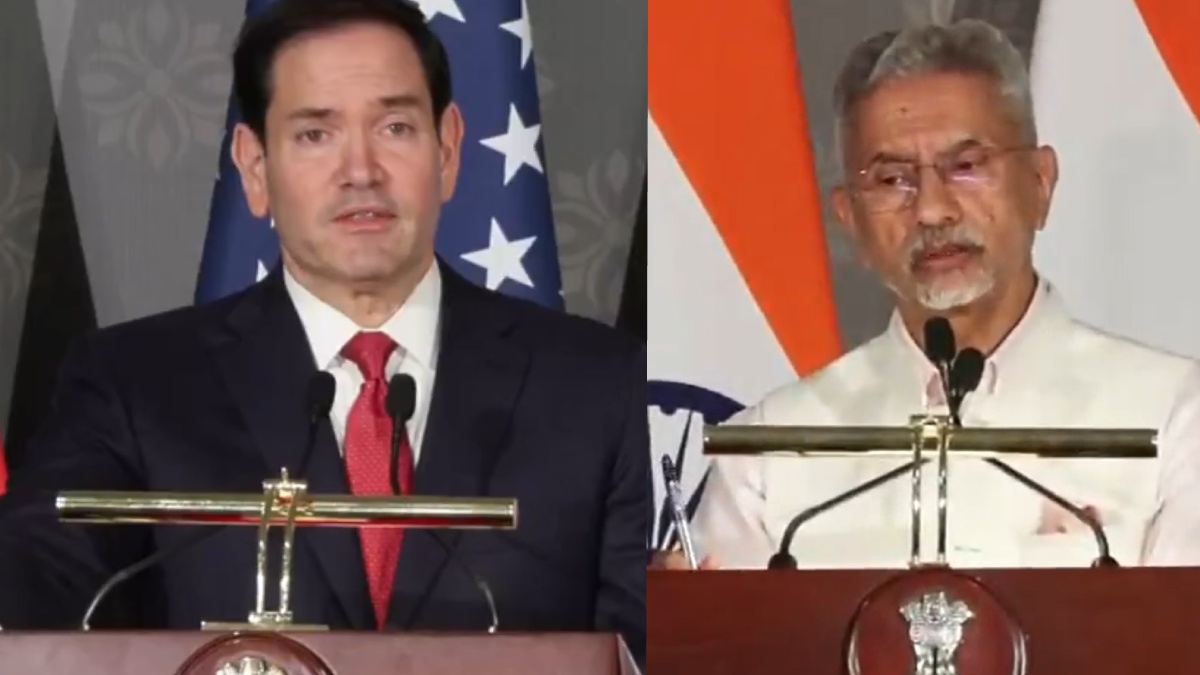
A senior US State Department official said Washington had taken note of India’s warning that the legislation could affect bilateral relations. But the official also noted that there were “no hard feelings” over India’s response to the legislation.
The comments came as tensions over India’s continued purchase of Russian energy became a fresh issue in US-India relations.
India Warns of Impact on Bilateral Ties
India had expressed concerns about the consequences of the Lindsey O. Graham Sanctioning Russia and Iran Act of 2026.
The Indian Ministry of External Affairs said the issue had been discussed with US officials at senior levels and that New Delhi had clearly explained the possible implications for both the bilateral relationship and international energy markets.
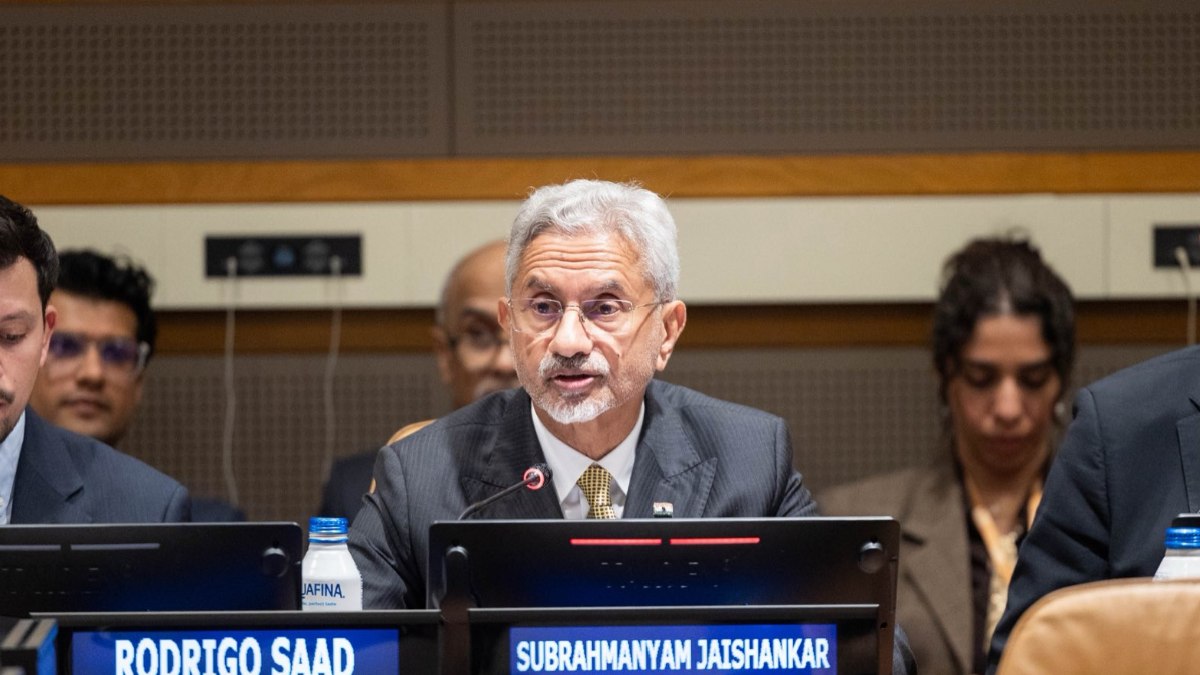
The external affairs minister S Jaishankar also raised the issue during his meeting with US Secretary of State Marco Rubio at the United Nations General Assembly in New York.
What Does the Russia Sanctions Act Say?
Trump signed the bill on September 18, 2026.
The law allows the US president to slap tariffs of up to 100% on goods imported from countries that fall within provisions targeting major purchasers of Russian crude oil or natural gas. It also covers countries involved in helping Russia evade energy sanctions.
India is potentially affected since it is one of the largest buyers of Russian crude.
But the 100% figure is a maximum, not an automatic tariff that India is currently paying. The law gives the US administration discretion over how the provisions are implemented.
Why India Is Concerned
Energy security is the backbone of India's position.
India imports more than 88% of the crude oil it consumes, while Russia has recently supplied a significant share of India’s crude imports. Any disruption to Russian supplies or additional costs to India’s trade is a key economic consideration.
New Delhi has always maintained that energy purchases are motivated by national requirements and economic interests.
The problem is made more complicated because global energy markets are already under pressure from geopolitical tensions in West Asia.
US Says ‘No Hard Feelings’
The senior U.S. State Department official said India's reaction was understandable, saying Congress had taken a particularly tough public stance on the issue.
The official said both countries have domestic constituencies and suggested India's response to the legislation should not be seen as a personal or diplomatic confrontation.
The remarks are significant because sanctions legislation could provoke friction between two countries that have expanded cooperation in everything from trade, defence and strategic matters to other areas.
India and US Face a New Energy Challenge
In the immediate view, how Washington will use the powers provided by the new law is unclear.
The legislation, according to Reuters, leaves Trump with significant discretion; the law itself does not automatically impose a uniform 100% tariff on India’s economy.
With India’s expanding relationship with the U.S., a challenge for India is to balance energy security with its energy security.
And for Washington, the issue is how to put pressure on countries that are buying Russian energy without damaging global oil markets and crucial bilateral partnerships.
The latest US comments indicate that at least right now, both sides are keeping the dispute within the larger diplomatic framework of the diplomatic dialogue.