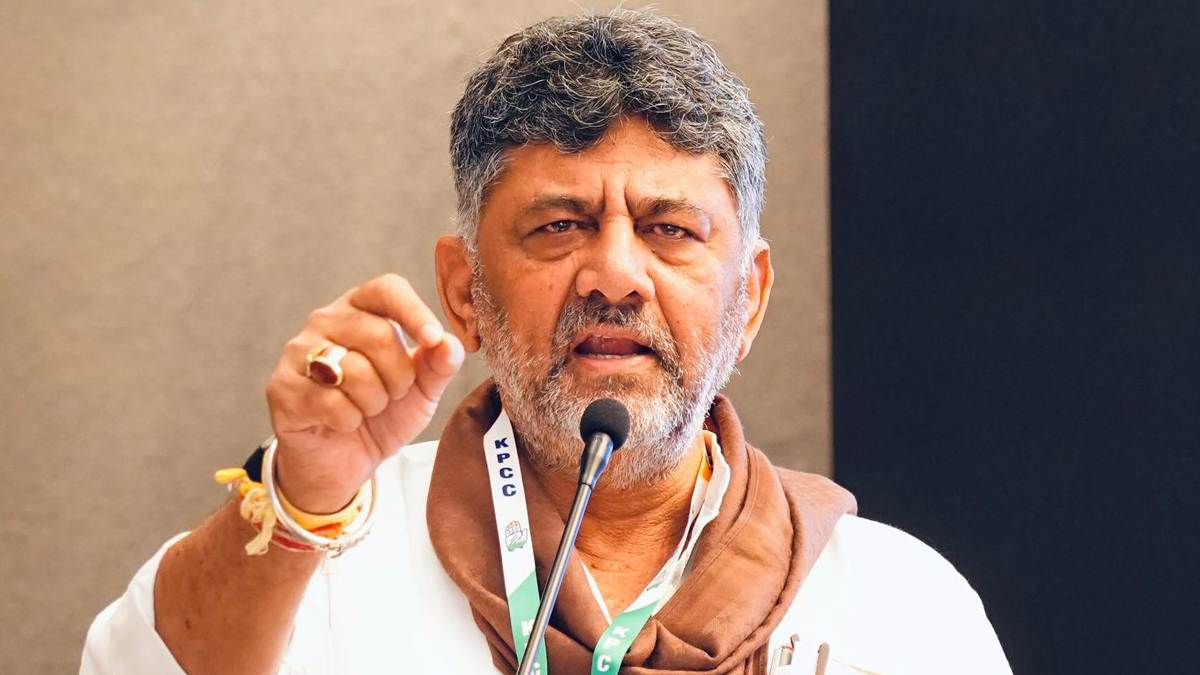
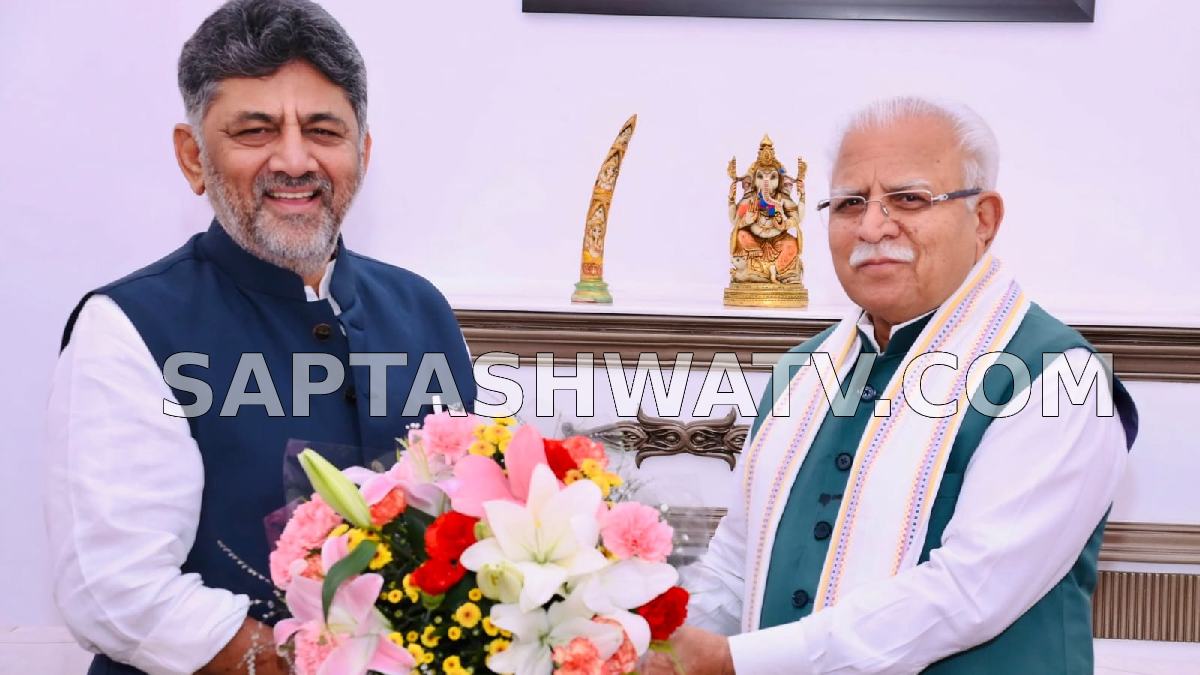
Karnataka Chief Minister D.K. Shivakumar’s recent initiatives across different parts of the state have been a topic of political debate (especially in coastal Karnataka, Malnad, and the Mysuru Dasara celebrations).
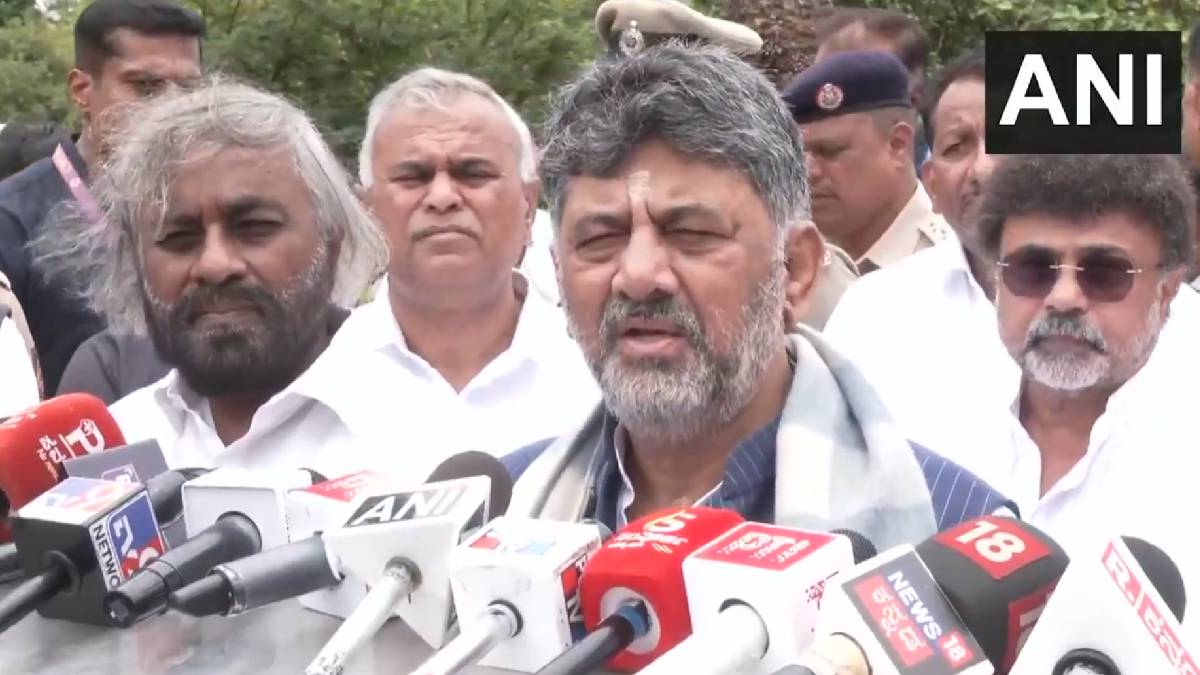
These changes are rooted in longstanding regional and cultural issues. And government supporters say the moves are increasing the administration’s engagement with different parts of Karnataka while political opponents see some of the decisions through the lens of electoral strategy.
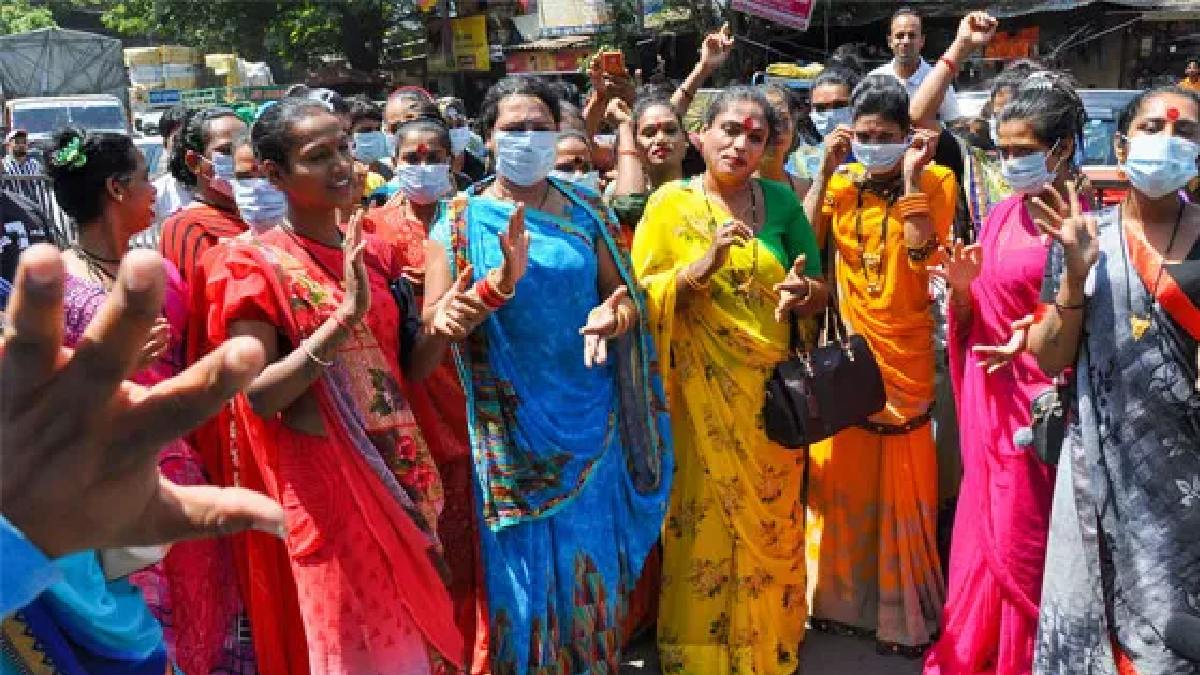
One of the most significant recent decisions is Tulu. At a special Cabinet meeting in Mangaluru on September 18, the Karnataka government granted Tulu second-official-language status in Dakshina Kannada and Udupi districts. This was the end of a long-running demand for more administrative recognition of the language.
The decision has great significance for coastal Karnataka, which has deep cultural roots in Tulu. And so in the last few weeks after the government’s move, there has been debate as to what is next in the implementation of Tulu in government offices and many other public institutions, and what is the government going to do with it from now on? The Tulu Parishath has since suggested a roadmap for education, government offices, and research.
The issue has also become political because coastal Karnataka has traditionally been an important region for the BJP. The language decision itself is a policy measure from which different political interpretations around it can be seen separately.
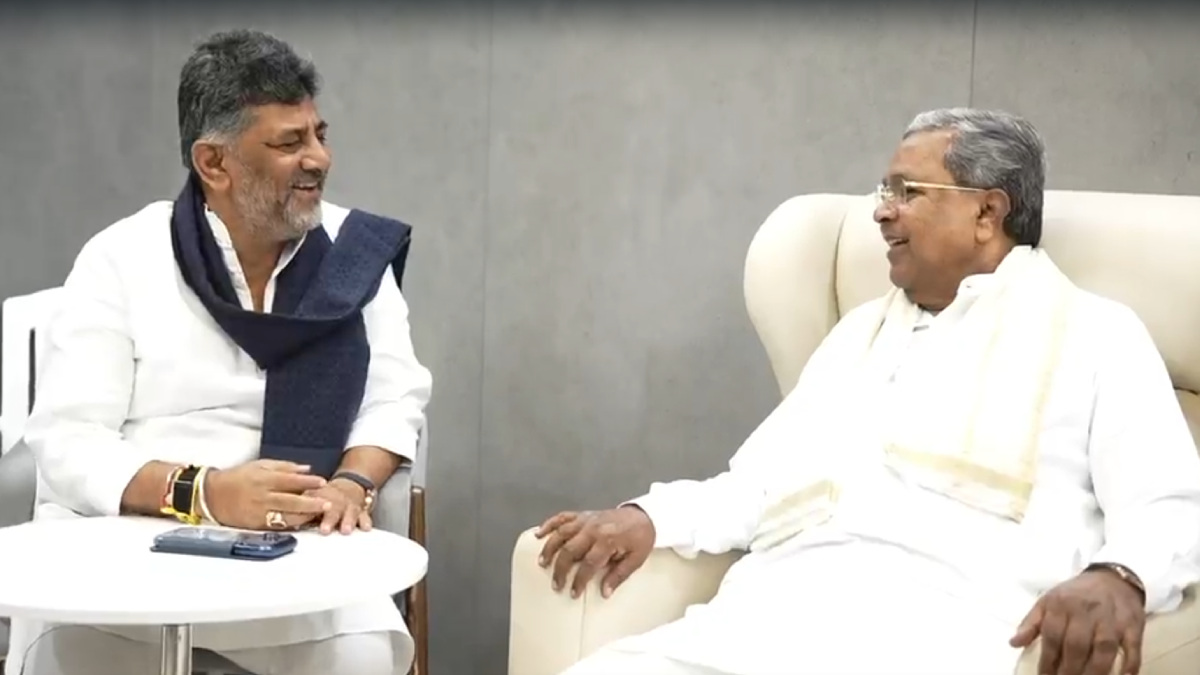
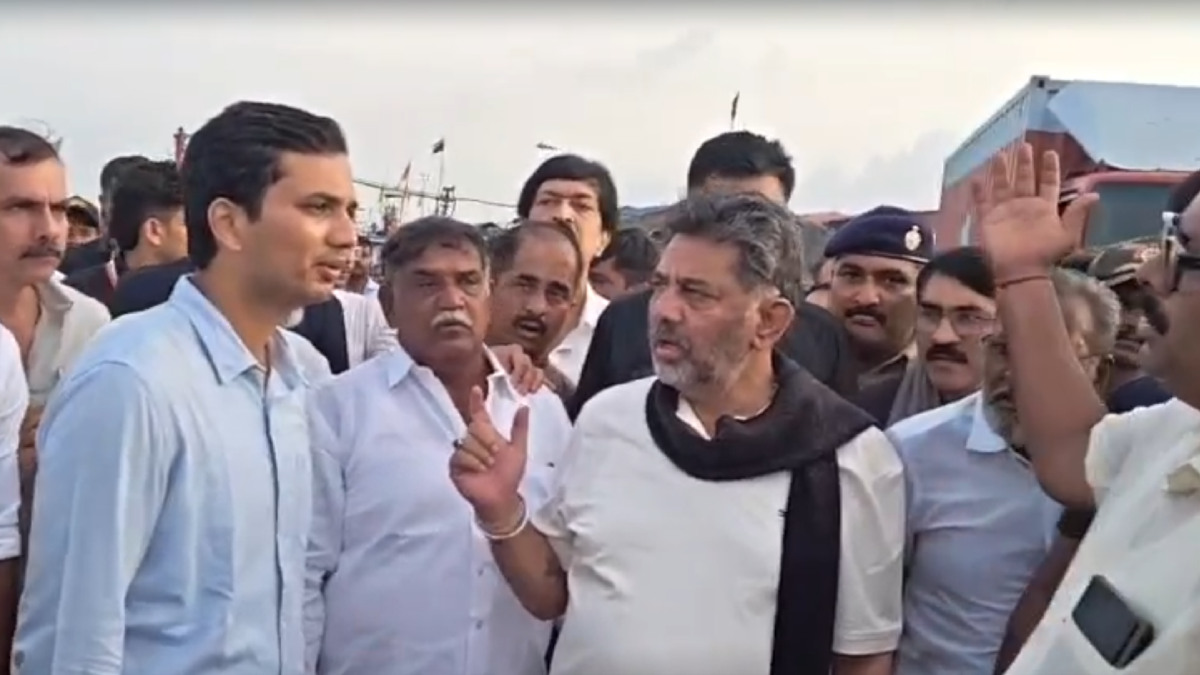
The Kasturirangan report has also been an issue in the Malnad region. Recently, Shivakumar had met farmers and rural residents in the Western Ghats about the proposed ecological restrictions. He said the government had told officials not to issue fresh notices to farmers but rather to protect the land.
Karnataka passed a resolution on September 22 rejecting the Kasturirangan report. The state wants a ground survey and a comprehensive review of land use and local conditions.
Shivakumar also proposed drone-based LiDAR technology and plot-level mapping to distinguish forest areas from agricultural land. The stated goal is to get more precise information before determining the effects of ecological restrictions on local communities.
Another major decision is the Mysuru Dasara 2026. The Karnataka government has selected Sri Abhinava Gavisiddheshwara Mahaswami of Koppal Gavimath to inaugurate this year’s Dasara celebrations. The decision was announced in the Legislative Assembly, and the seer has accepted the invitation.
But the choice is regional as the pontiff is associated with Koppal in North Karnataka. He has also received recognition for water conservation, education and social welfare. The official programme of Mysuru Dasara says the festival will begin on October 11 and last until October 21.
In T. Narasipura, the Ganeshotsava celebrations got into trouble too. BJP leaders like Opposition Leader R. Ashoka and Mysuru-Kodagu MP Yaduveer Krishnadatta Chamaraja Wadiyar protested the alleged restrictions on Ganeshotsava processions. The protesters were picked up by the police and released.
These developments are indicative of the way cultural identity, regional concerns, environmental policy, and religious traditions are also at the core of Karnataka’s political discourse as well.
Shivakumar’s supporters see the moves as an attempt to link different areas of Karnataka through language recognition, farmer engagement, and cultural representation. Political opponents would react differently, especially given Karnataka’s competitive politics.
Instead of one political narrative, the developments are about several different policy issues: the implementation of Tulu’s official language status, the future of Kasturirangan recommendations, protection of farmers’ interests in the Western Ghats and representation of Karnataka’s various regions in major cultural events.
Karnataka’s political debate will continue to be about balancing regional demands, environmental concerns, cultural identity and administrative objectives, for example, and the way the government is to navigate such issues as these are ongoing.