The 2026 US midterm elections are scheduled for November 3 with voters deciding all 435 seats in the House of Representatives and 35 of the 100 Senate seats. Election results will determine the 120th US Congress, which will take place in January 2027.
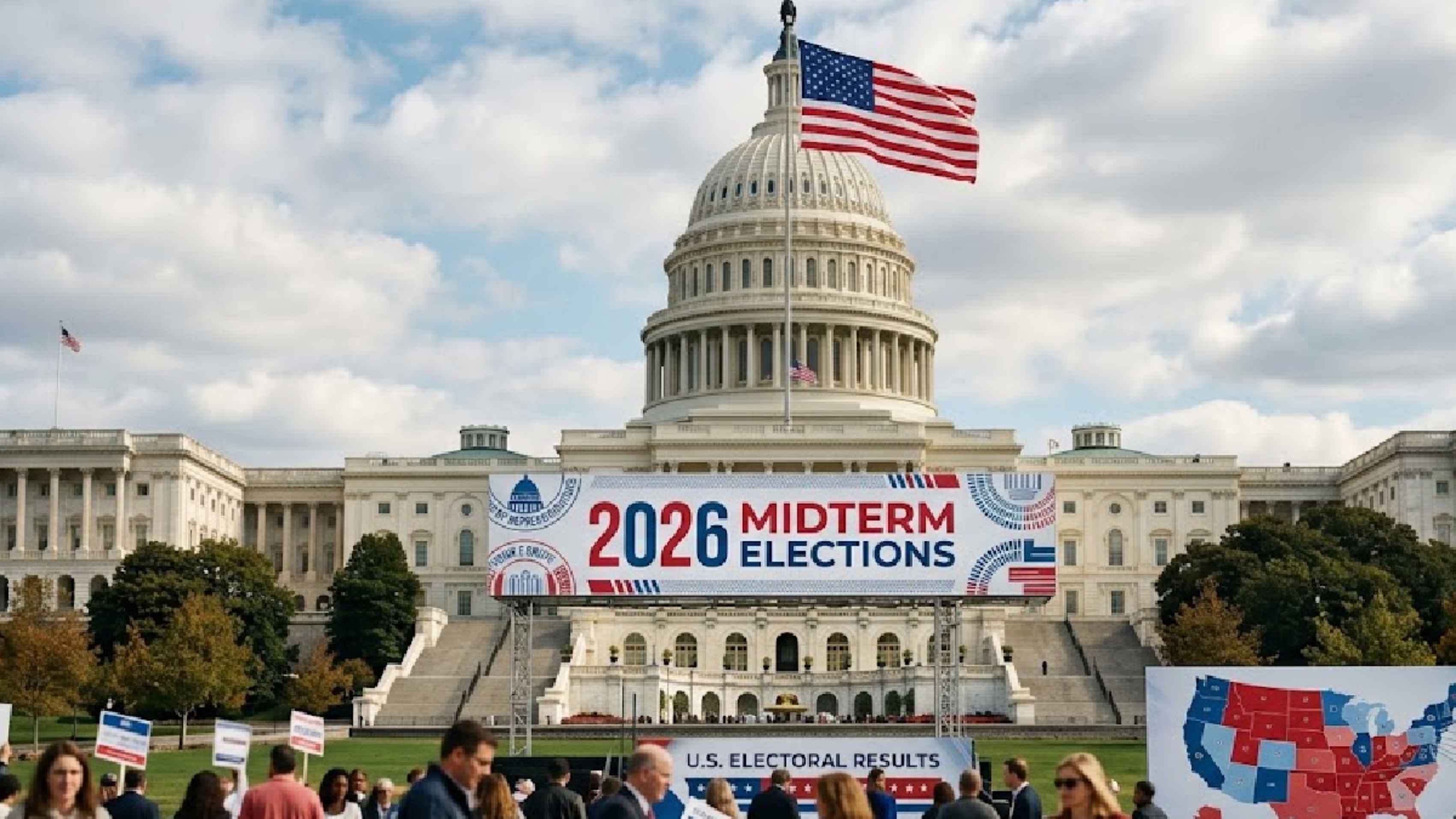
Midterm elections are held halfway through a president’s 4-year term and often serve as an important test of the political balance in Washington. In 2026, control of both chambers of Congress is a key focus as Republicans look to hold their House majority and Democrats seek to win one or both chambers.
House of Representatives
All 435 voting House seats are on the ballot in November. Republicans hold the House by a narrow margin, so it is a relatively small number of competitive districts that are very important to the balance of power.
There are competitive House contests across Pennsylvania, Michigan, Arizona, North Carolina, Wisconsin, New York, Nevada, Virginia, Texas and California. CBS News’ September Battleground Tracker identified dozens of closely watched House races across the country as both parties battle for the chamber.
Another major factor in this year’s House elections is redistricting. New congressional maps are being used in nine states: Alabama, California, Florida, Louisiana, North Carolina, Ohio, Tennessee, Texas and Utah. The redistricting has shifted the boundaries of many districts ahead of the election.
Senate Control
The Senate currently has 53 Republicans and 47 Democrats, including two independents who caucus with Democrats. There are 35 Senate seats to be contested in 2026, including two special elections. Democrats would need a net gain of four seats to win.
Some Senate races have attracted particular attention, such as races in Maine, North Carolina, Georgia, Iowa and Alaska. Other closely watched races include contests for seats in states like Michigan and New Hampshire.
Maine Republican Sen. Susan Collins will face Democratic candidate Troy Jackson. Iowa has Republican Ashley Hinson and Democrat Josh Turek for the seat of former Sen. Joni Ernst. Alaska has Republican Sen. Dan Sullivan and former Democratic Rep. Mary Peltola as its top candidates.
Battleground States
The most closely contested races are not limited to one region. Pennsylvania, Michigan, Wisconsin, Arizona, Georgia, North Carolina and Nevada are among the states that are drawing significant attention because of competitive congressional contests.
The outcome will determine which party controls congressional committees, legislative priorities and what bills can move through Congress. A change in either chamber could also affect the administration’s ability to advance its agenda in the second half of the presidential term.
As well as Congress, voters in many states will elect governors and state legislators and consider state and local ballot measures. The 2026 midterms therefore extend to many states beyond Washington and have implications for federal, state and local policymaking.
With Election Day on the way, campaign activity, early voting and turnout will determine the final results. The new Congress will be formed in January 2027.