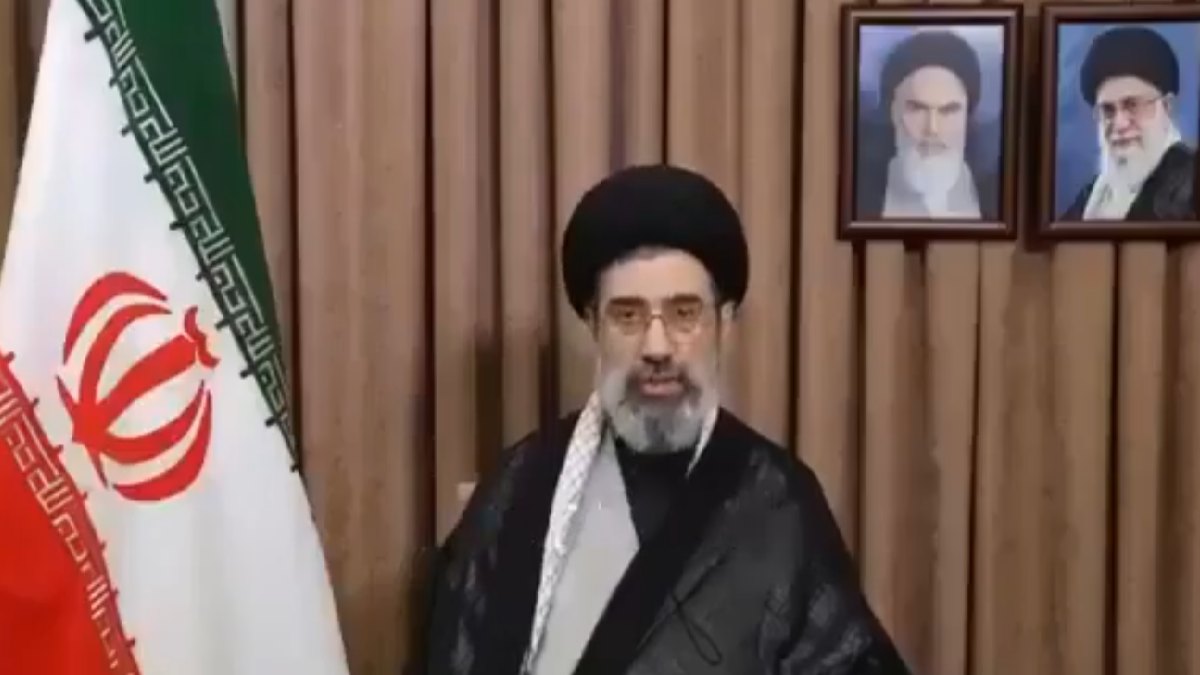
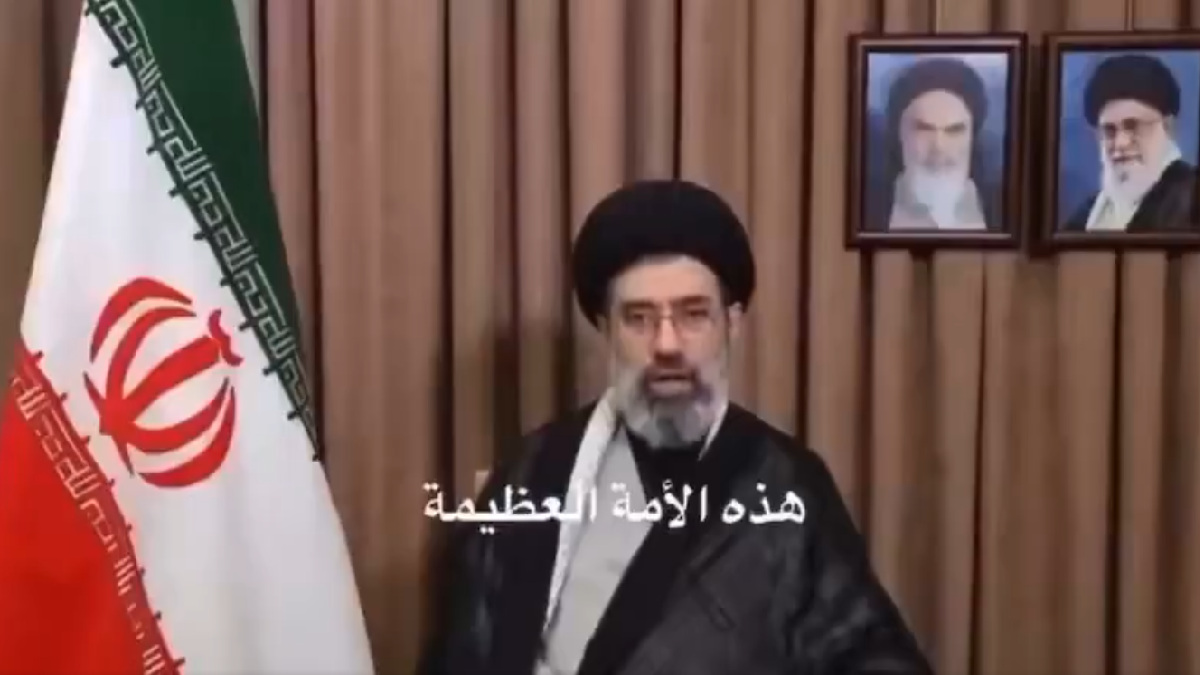
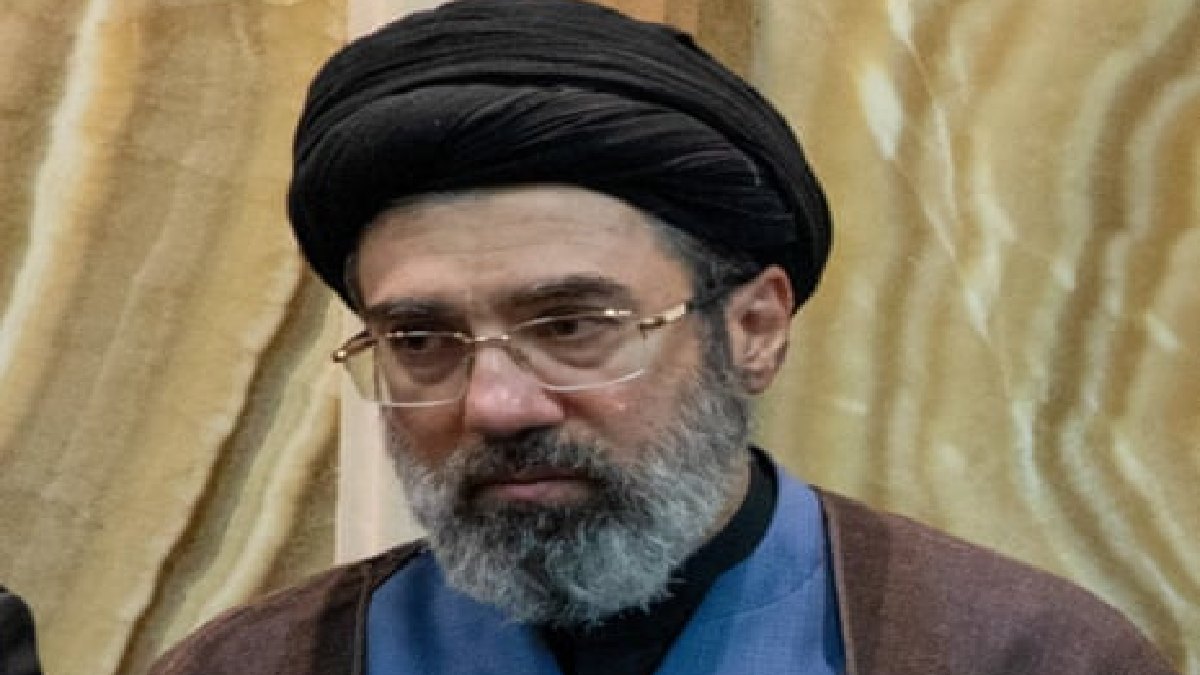
After weeks of public silence, questions about the whereabouts and health of Iran’s Supreme Leader, Mojtaba Khamenei, grew increasingly heated, but Iranian President Masoud Pezeshkian has said he met him in person.
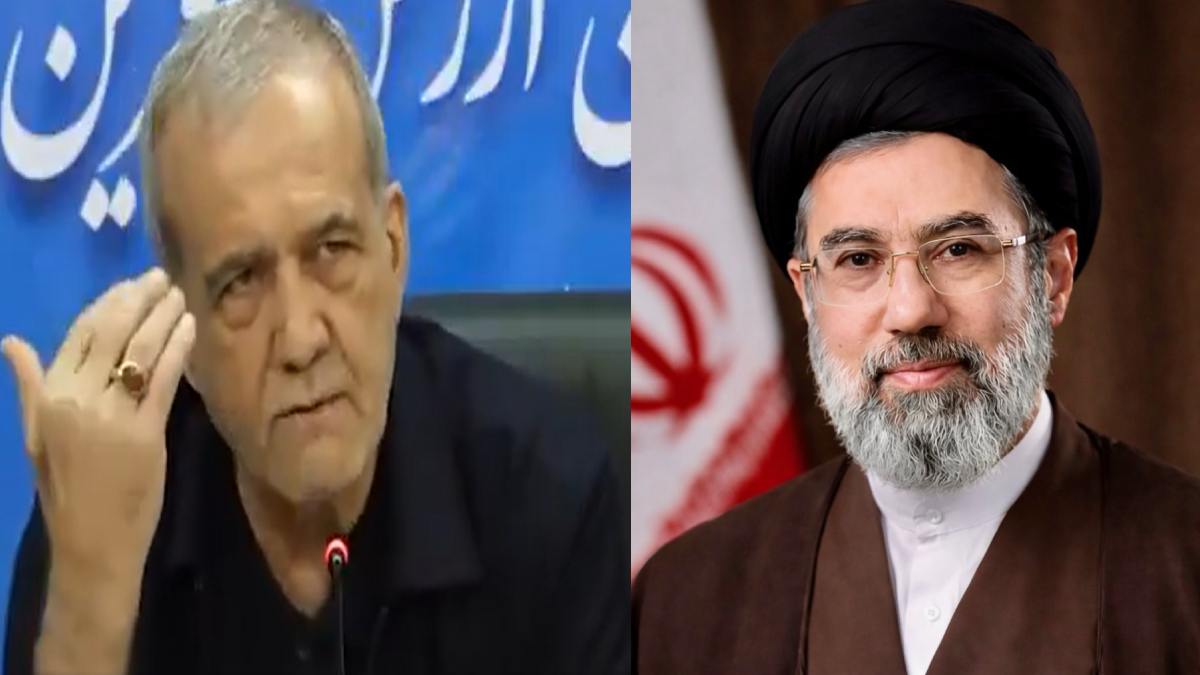
This is the first open indication that the new supreme leader of the nation is alive, and there are also open discussions with senior officials in the country. Mojtaba Khamenei, son of the former Supreme Leader Ayatollah Ali Khamenei, was brought in as Iran's new supreme leader in March, soon after the death of his father in the recent conflict involving Iran, Israel, and the United States.
But since he was appointed, he has largely stayed out of public sight. That has fueled speculation, both overseas and in Iran’s own cultural sphere, that such behaviour is adding to his anxiety.
No appearance of Mojtaba Khamenei, speech or televised talk has ever appeared in public, creating tremendous uncertainty about his physical fitness and his ability to rule. International press reports also warned that he could have been injured in strikes that were said to have killed his father earlier in the year.
And according to some accounts, he has sustained serious injuries with considerable protection since then in an undisclosed location. President Masoud Pezeshkian said in an increasingly uncertain environment that he held an almost two-and-a-half-hour meeting with Mojtaba Khamenei that he described as “direct, frank, and cordial” in character.
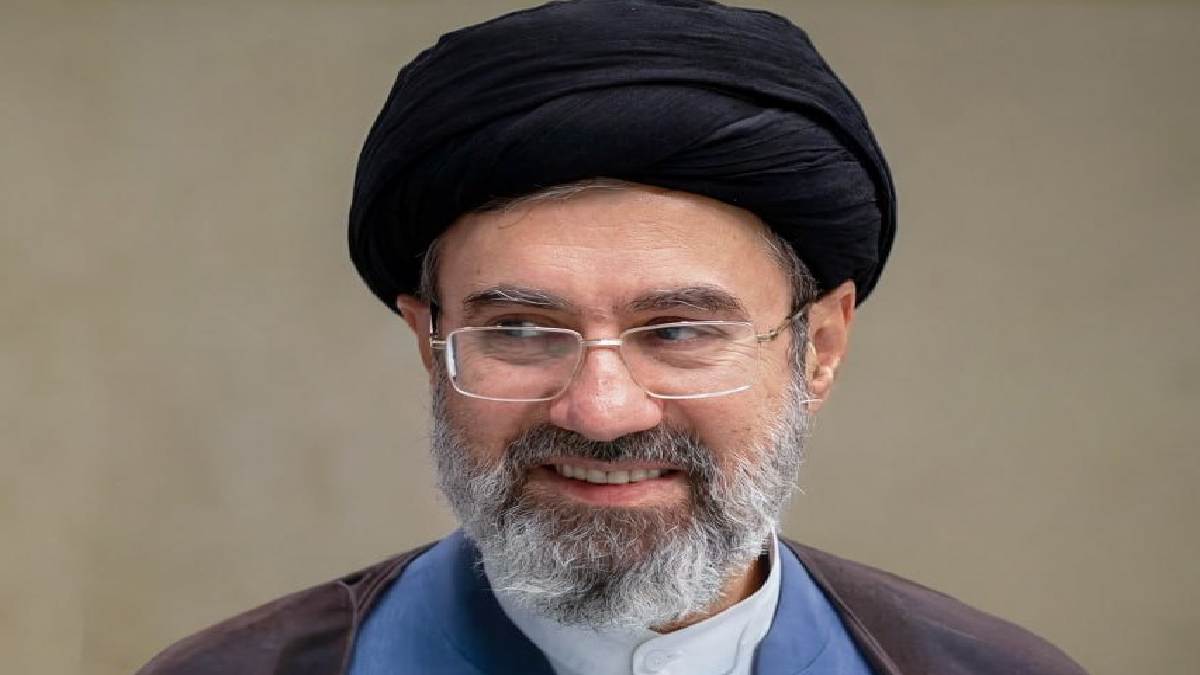
Pezeshkian praised the supreme leader’s “humble and sincere” demeanour and alluded to how the meeting’s contents had celebrated inclusivity among Iran’s top leadership. Yet he did not provide the location or timing of the meeting. Iranian state media also shared part of Pezeshkian’s remarks, which some analysts believe is a bid to debunk rumours about Khamenei’s illness and reassure the citizenry that the country’s ruling class is still in control.
Yet Mojtaba Khamenei did not make a public appearance following his appointment, even though the president himself made public appearances. No recent photographs or videos of him have been confirmed to have been released, and the vast majority of official communications ascribed to him have consisted of written correspondence via state channels or social media posts.
He did not spend months with the government due to security concerns, many contend. Iranian authorities reportedly insisted that the supreme leader was under strict conditions of protective security because threats persisted in the wake of the regional conflict. Analysts blame Tehran for having deliberately limited its access to sensitive information and activities in an effort to limit the opportunity for assassination attempts or the threat of targeted attacks on it.
At the same time, opponents and the Iranian authorities are wondering whether Mojtaba Khamenei is running the country’s political and military order at all. Some experts have also concluded that elements of the Islamic Revolutionary Guard Corps (IRGC) have had a say for a long time, but the secret still lies on the back burner.
Mojtaba Khamenei’s ascent to power itself remains contentious. It was the first father-to-son succession in the Islamic Republic’s history and raised some criticism from critics that some of Iran’s leaders were increasingly headed towards dynastic rule, despite the country’s anti-monarchy revolutionary origins.
The precise location of Mojtaba Khamenei remains unknown to the public. While President Pezeshkian’s statements were probably intended to settle speculation that the supreme leader is in fact alive and well, questions surrounding his health, visibility and actual power over Iran’s leadership are still part of political debate inside Iran and outside.