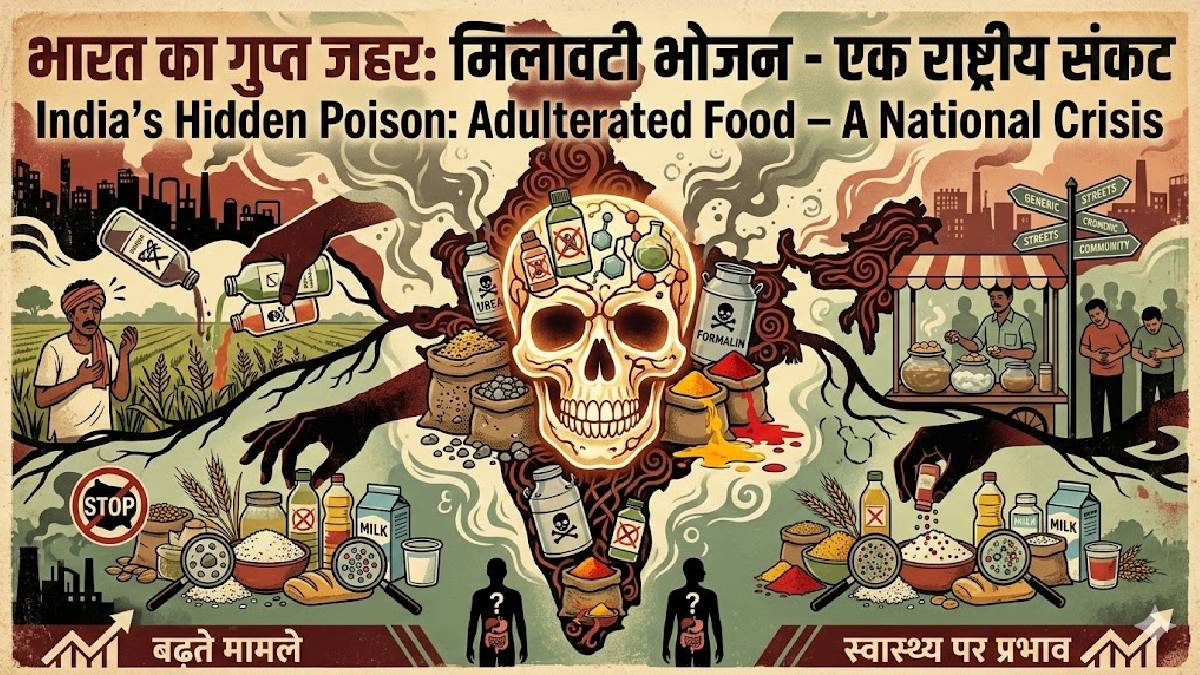
Food exists to feed you, but in a lot of places, it’s becoming a silent poison. In recent days, authorities in several states seized vast amounts of adulterated food items from paneer and milk to oils and sweets. The shocking findings underscore how food adulteration has evolved from simply breaking safety regulations to something more sinister. It is organized crime, profit-motivated at the expense of human safety.
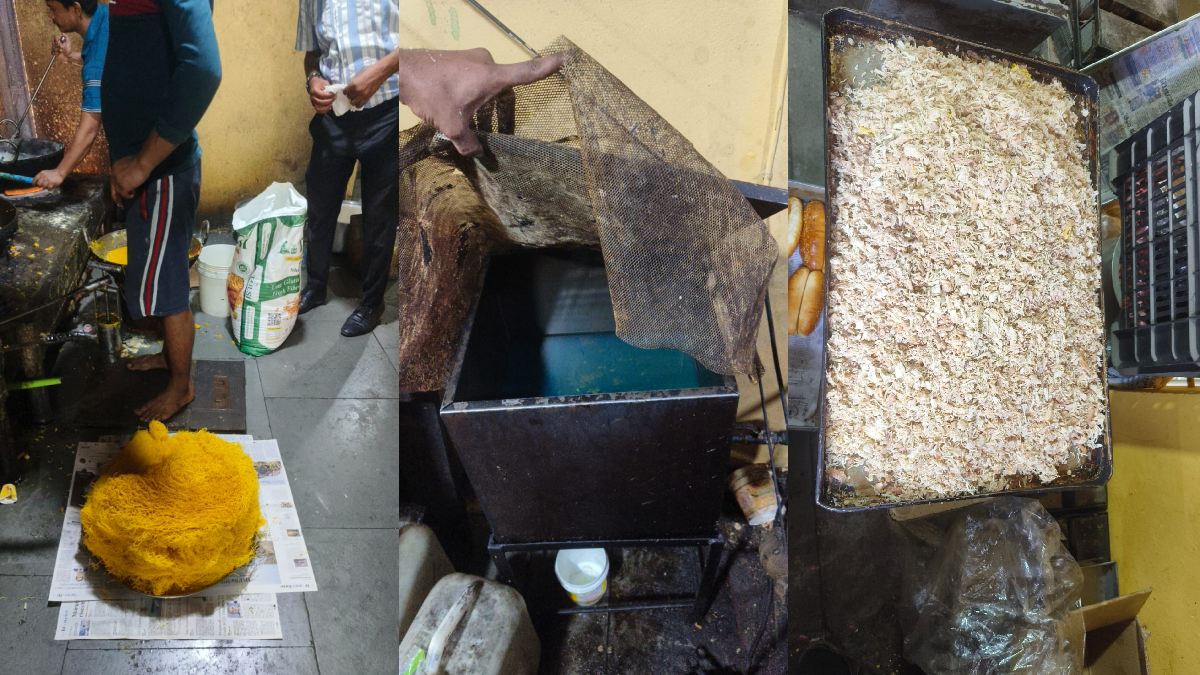
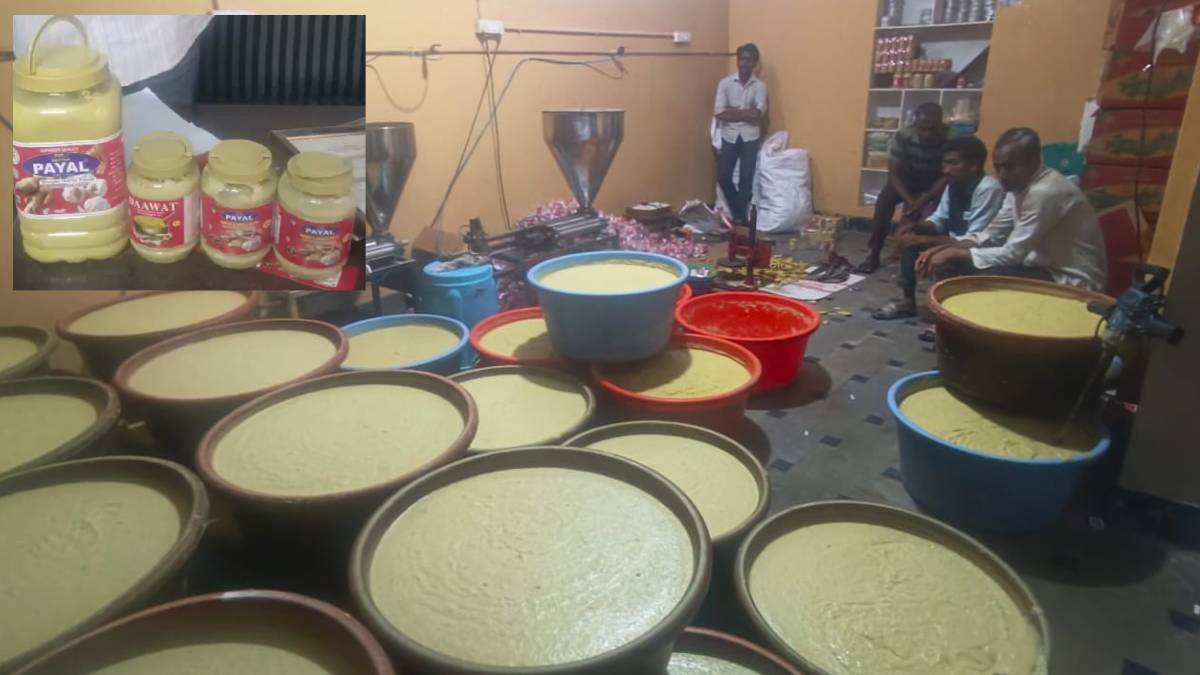
In the past week, raids revealed alarming amounts of contaminated products. In Ghaziabad itself, 1,200 kilograms of adulterated paneer was destroyed. Hyderabad officials seized 4,000 kilograms of adulterated ginger and garlic paste. In Rajahmundry, at least four people died of adulterated milk and the accused was arrested. One of the largest hauls were seen in Kanpur 14,000 litres of adulterated oil, 1,320 kilograms of rotten dates and fake ghee. Lucknow officials discovered expired sweets kept at a well‑known brand’s factory, while Barabanki officials obtained contaminated khoya and milk.
These are not one-off incidents. They constitute a troubling trend nationwide, with dangerous food produced and sold as a commodity in large quantities.
Food adulteration is not merely about spoiled taste or squandered funds. It has a direct impact on health, leading to food poisoning, chronic illnesses and even in some cases death. Families unwittingly ingest these products every day, at the expense of chemicals, toxins, and unsanitary practices. The Rajahmundry case serves as an acrid testament that adulteration can kill.
Experts say food adulteration should not be treated as a slight infraction. It’s a type of organized crime. Networks of suppliers, distributors and sellers benefit by taking shortcuts, mixing hazardous ingredients and peddling counterfeit products. This is not slack, this is deliberate exploitation of consumers for profit.
A growing number of voices are calling for the death penalty or even criminal justice to be a punishment for people running these mafias. Although laws exist, enforcement is often weak and penalties are too light to discourage repeat offenders. Devoid of robust action from India, adulteration will thrive, endangering millions.
Food adulteration is the slow poison that eats away at public health and trust. Recent seizures illustrate the scale of the problem, but they also underscore the urgent need for reform. Securing citizens’ lives and livelihoods from unsafe food is more than a question of regulation it is a question of justice, and survival.