There has been a huge controversy in Jawaharlal Nehru University (JNU) as 11 students filed sexual harassment complaints against a professor, and the allegations emerged after the university’s May viva exams.
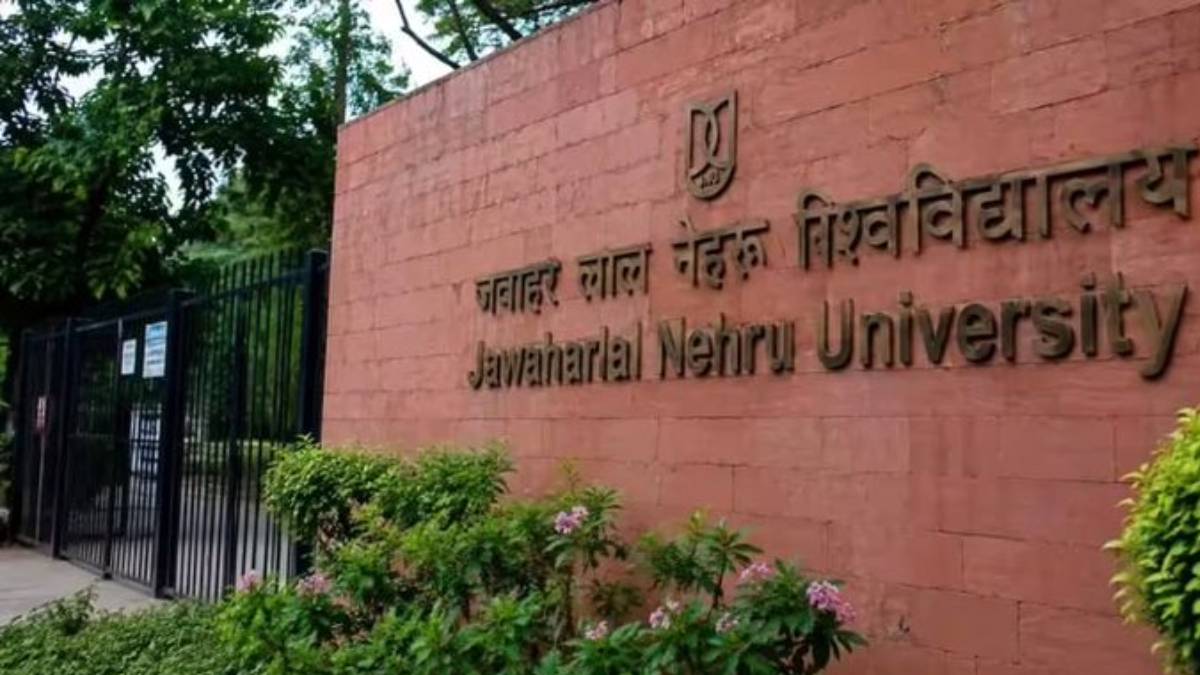
The complaints are about inappropriate behaviour by the professor towards students, the report said. It is now being reviewed by the university’s Internal Complaints Committee (ICC), which is starting to record statements as part of its investigation.
The issue came to wider attention once a student expressed her experience in a WhatsApp group for their students only. Later, other students also came forward with their own accounts and several complaints were filed against the professor.
Cases were made of the professor making sexually inappropriate comments to students. Some students also said they were offered extra marks or academic benefits in exchange for sexual favors.
These are serious allegations, and the university investigation will be fundamental to establishing the facts. At this stage, the allegations should not be treated as established findings against the professor. The ICC’s inquiry is intended to hear the complainants, examine the available evidence and allow the accused to respond before reaching any conclusions.
There are multiple students involved, and the case has drawn more attention. A report in a students-only communication group encouraged others who had experienced similar behaviour to speak out about their experiences (the university’s formal process of dealing with sexual harassment complaints is still in question).
Now the ICC will look into the statements of the complainants and other participants in the case. Based on the evidence obtained in the investigation, the committee may consider communications, testimony and information about the allegations.
The case has also fuelled student safety and accountability issues in higher education. Academic students need faculty to teach them, and they need faculty to do their assessments, recommendations and other aspects of their education. So allegations of academic evaluation and inappropriate demands are all very worrying.
The connection between the allegations and the May viva examination has also highlighted the power imbalance between students and faculty members. Any suggestion that academic marks were linked to inappropriate personal demands would be thoroughly investigated by the appropriate authorities.
But due process is necessary at the same time. An investigation needs to distinguish between allegations, evidence and findings so that both complainants and the accused have a fair hearing.
Critics have also pointed out selective outrage in political and activist circles. Many have questioned whether groups that have spoken out in the past about women’s safety and sexual harassment will respond similarly to accusations made in JNU.
But political reactions should not overshadow the central issue: complaints must be independently and thoroughly investigated, and students who come forward with allegations should have access to a safe and credible institutional process.
The JNU ICC’s ongoing investigations will hence be closely watched. The results will help to decide whether disciplinary or other action is warranted.
The reported complaints of 11 students have once again put institutional accountability, student protection and faculty conduct at the centre of attention. All allegations are allegations, and any conclusions should be based on evidence and the findings of the formal inquiry until the ICC has completed its investigation.