A 5.1-magnitude earthquake struck China and authorities in neighbouring Nepal issued a fresh flood alert on Monday and the region’s flood response system came to the forefront again, with the Trishuli region in Nepal on Thursday and there was a fresh flood warning issued to residents to leave earlier in the morning. It has raised fears among local authorities and raised fears in the region as people remain susceptible to natural disasters, especially in areas impacted by heavy rainfall, rising river levels and unstable terrain.
The earthquake in China is another natural hazard to an already challenging situation in the area. As the tectonic plates are very active, earthquakes are common in parts of the Himalayan and other regions. There are earthquakes that can even be felt across borders but the impact depends on the earthquake location, depth and distance to populated areas. The extent of casualties and damage and the exact epicentre will have to be confirmed by the official agencies as they carry out their assessment on the ground.
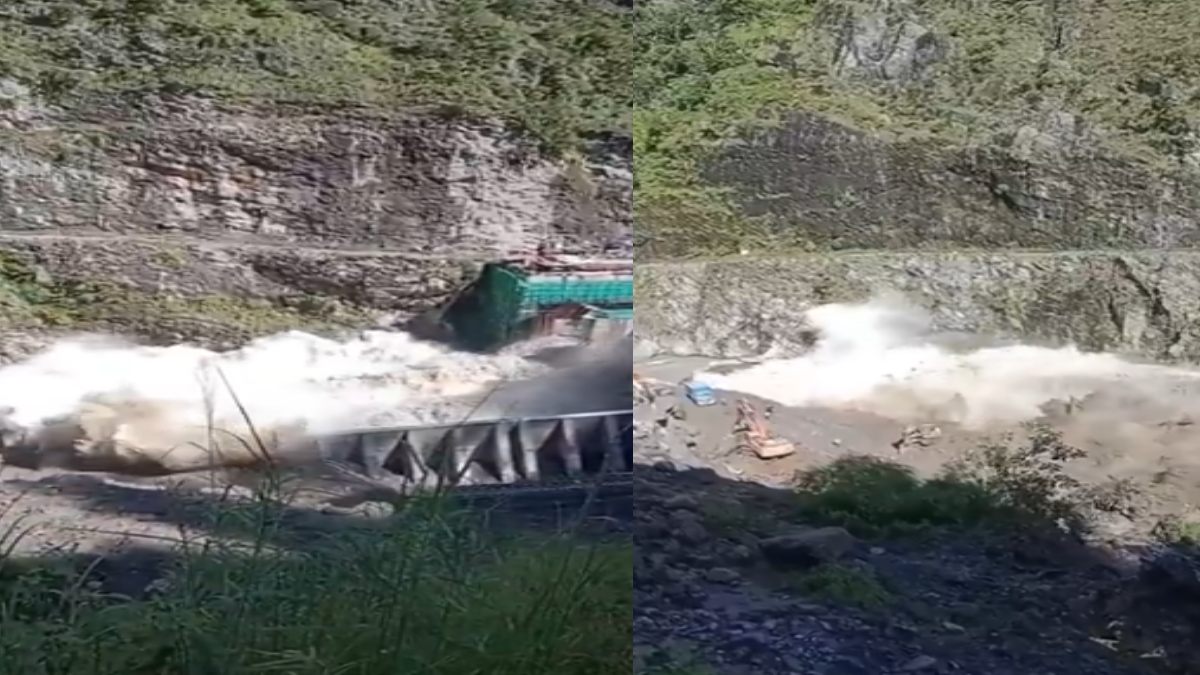
Nepal has now issued a new flood alert, with renewed concern around areas close to the Trishuli River. The river and the surrounding villages and its immediate vicinity are particularly vulnerable to flooding in an area of intense rainfall when the water levels rise quickly and create risks for people living near the riverbanks. This has led authorities and local officials to move people from the areas of danger again, it is reported.
The increased evacuation in the Trishuli area again highlights the continued difficulties faced by communities during extreme weather. Evacuation orders are issued as a precaution when authorities believe rising water levels, flooding or related hazards may be an imminent threat to residents. Moving people to safer locations before conditions deteriorate can greatly reduce the risk to lives and better enable emergency teams to respond.
The Trishuli region is vital for local communities and transport and the river flows through areas that connect different parts of Nepal. Flood and landslide-affected roads and bridges are especially vulnerable and heavy rainfall can cause slopes to break down and roads to be impeded and isolate communities, so early evacuation and emergency preparation are highly important.
The latest flood alert also comes as authorities are stressing the warning of the dangers of rapidly changing weather. Flooding can develop quickly in mountainous areas and residents have little time once levels of water start to climb and they need to get out. That is why officials are often relying on monitoring systems, local observations and weather forecasts to issue warnings and plan for evacuation procedures.
Residents of affected areas are being told to keep an eye out for danger and to follow local authorities’ advice, the government said. Residents living near rivers and streams and in low-lying areas of the country are generally the ones most vulnerable to flooding. Emergency officials also advise people not to go through flooded roads and to stay away from fast flowing water.
The combination of an earthquake in China and a flood alert in Nepal has once again highlighted the region’s exposure to several natural hazards. The Himalayan region is geologically active and also receives large seasonal rainfall. So, communities can also face earthquakes, landslides and floods at a relatively short time.
Emergency agencies are most impacted by coordination with emergency agencies, coordination is important for such events because coordination is important for emergency organizations during such events. Local governments, police, disaster-response teams and medical services may have to work together to coordinate when evacuations are ordered. Temporary shelters and safe locations for residents who are unable to return home until the threat has passed are also needed.
It is the Trishuli evacuation that is most likely to be cited as a precautionary safety move. Most often, authorities urge people to take evacuation warnings seriously rather than waiting for flood water levels to reach dangerous levels. Emergency teams can move quickly to safer areas to relieve the pressure on them from last-minute rescues.
The earthquake in China is also being watched for any wider regional impacts. A magnitude 5.1 earthquake can be felt by people in nearby areas, but the actual impact is very much dependent on the epicentre, depth and local construction standards. When more information is available, authorities will assess infrastructure and check for damage.
Nepal’s latest flood warning is another reminder of the need for disaster preparedness. Mountain communities are particularly challenging because difficult terrain can slow emergency response and make access to affected areas difficult. A reliable communication system and timely warning system can be crucial in a rapidly developing emergency.
The situation also underscores the importance of accurate information during natural disasters. Authorities have repeatedly advised people to listen to official announcements rather than unverified reports on social media. False information can lead to panic and inaccurate information about evacuation zones or road conditions could put people at risk.
As monitoring continues, authorities will keep track of river levels and weather in the Trishuli region and keep evacuated people updated about the situation. People who have moved to safer locations may have to wait for official approval before they return to their homes depending on how flood conditions change.
The earthquake and flood alert are evidence of the unpredictable nature of natural disasters in the region. Although earthquakes cannot be avoided, early warning systems, resilient infrastructure, timely emergency planning and evacuation can all reduce the risk of earthquakes. Similarly, flood threats can be mitigated if the early warning systems are in place and evacuation routes and safe areas are identified.
The most important thing to focus on now is the safety of people living in vulnerable areas of Nepal while authorities continue to assess the situation following the earthquake in China. The developments are a reminder that communities throughout the Himalayan region need to be prepared for rapid change. Cooperation between authorities and residents, early warnings and responsible dissemination of information will be important as Nepal deals with its flood threat and neighbouring China assesses the impact of the 5.1-magnitude earthquake.