A powerful earthquake measuring 6.2 on the Richter scale struck the Hindu Kush region of northeastern Afghanistan on Saturday evening, shaking North India's northeastern regions, and sending strong tremors across Delhi, the National Capital Region (NCR) and Jammu & Kashmir. Residents fled from their homes and office buildings in panic as the ground shook for seconds.

The epicentre of the earthquake was about 81 kilometres from Kalafgan in northeastern Afghanistan, according to NCS. The earthquake originated at a depth of about 215 kilometres beneath the Earth’s surface, and it was a deep-focus earthquake. While shallow earthquakes are less destructive than deep-focus earthquakes, large areas of the Earth feel the effects of these earthquakes.
The tremors were reported in Delhi, Noida, Gurugram, Faridabad, Ghaziabad and other parts of Jammu & Kashmir. The residents reported feeling sudden vibrations and swaying buildings, leading many to leave their homes, offices, shopping centres, and other structures in the process.
Several videos and social media posts showed people waiting in open spaces to get away from the tremors. In parts of Delhi and NCR, office workers briefly left high-rise buildings as officials kept an eye on the situation. Similar scenes could be seen in Jammu and Srinagar, where residents experienced noticeable shaking.
The earthquake’s impact was felt beyond India. Because of its magnitude and deep origin, tremors were reported in many other countries such as Pakistan, China, Tajikistan, Uzbekistan, Kyrgyzstan and Turkmenistan, among others. Because of the unique geological features and tectonic activity in the Hindu Kush region, earthquakes are often felt in a wide area, seismologists said.
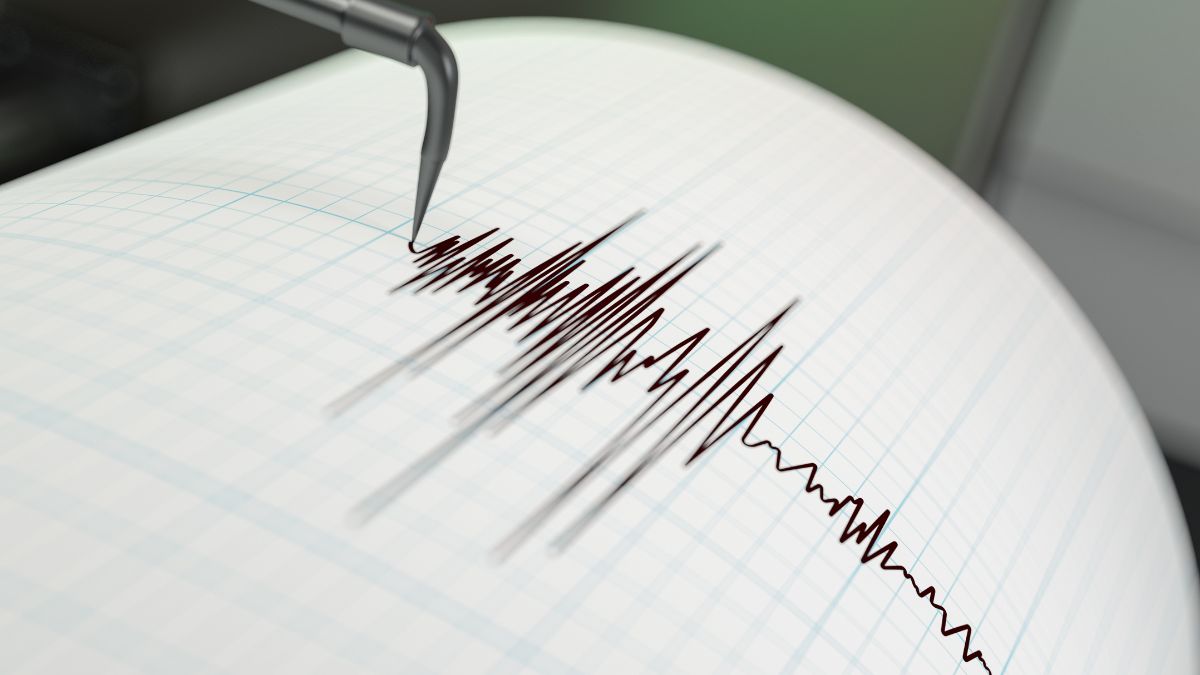
The Hindu Kush mountain range is one of the most seismically active regions in the world and is located in the collision zone of the Indian and Eurasian tectonic plates, and is relatively prone to earthquakes of different intensities. Deep-focus earthquakes are common in this region and can trigger tremors thousands of kilometres away from the epicentre.
Despite the widespread tremors, there were no immediate reports of deaths, injuries or significant property damage in Delhi, Jammu & Kashmir, or other parts of North India. Disaster management teams and local administration officials are on watch, authorities said.
Emergency response agencies have advised citizens to stay calm and to use the standard earthquake safety procedures that would apply in case of an aftershock. Residents should also use verified information from government agencies and not spread unverified accounts on social media, officials said.
So far, we have no official response, but authorities keep a close eye on things, and seismologists monitor the region for any further seismic activity. This is a reminder of South Asia’s vulnerability to earthquakes and the need to be prepared for earthquakes in densely populated cities in the region.