As the appetite for high-end real estate in India’s Silicon Valley expands, cybercriminals have discovered a clever new method by which to target desperate home seekers. Through the use of Artificial Intelligence (AI) to generate realistic images of fake luxury flats, fraudsters are extracting large sums of money from professionals, recently an individual who is a city-dwelling doctor. That scam started booming on popular platforms such as Housing.com and NoBroker – to reach wealthy aspirants in search of fine housing in good places.
Modus Operandi: Luxury is now at your fingertips
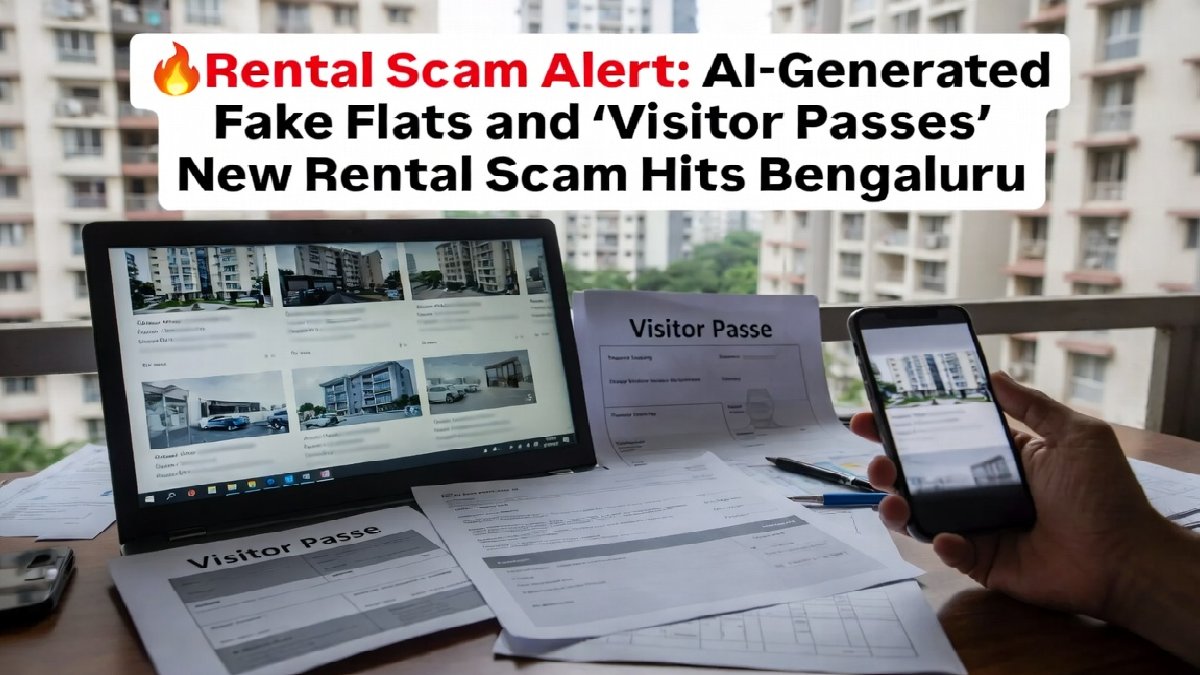
The fraud begins from the advertisement, an “irresistible,” that is posted. Scammers rely on AI technology to generate stunning home snapshots of living rooms, modular kitchens and balcony views that would be a ‘must see’ to a highly selective tenant. Those ads also sometimes showcase slightly below-market rents to incite some urgency.
After the would-be tenant’s contact with the agent happens, the “landlord” (the scammer) takes on a very businesslike tone and becomes gentle to gain trust. Stating that the property is a popular one, they implement their own fabricated fees:
- Visitor Pass Fee: This is a minor charge typically between ₹2,000 and ₹5,000 that they reportedly charge in order to get into the gated community for a viewing.
- Security Processing Charges: Payment of refundable fee to obtain a background check of the tenant prior to visiting.
- Entry Tokens: Small upfront payments to "block" the viewing slot.
A Case Study: Doctor Abused in High Grounds Jurisdiction
And the threat of this phenomenon was brought to light recently when Dr. Soumya (real name changed), an Indian health professional in Bengaluru, became targeted by the scam. When she found an ad for a luxury apartment that would meet her needs on a big-footprint internet real estate portal the advertisement took her to this site.
Impressed by the high-quality photographs, she contacted the number listed on it. The fraudsters got her to pay a "Visitor Pass" and a part of the security deposit to arrange a viewing time. The doctor ultimately paid over ₹10,000 through digital payment apps.

But the reality hit when she got there to the address given by the "owner." There was no flat for rent at that site. The security guards at the building had told a discouraging tale: she wasn’t the only one to come looking for a fake listing. Dozens of others had been seduced by the same phony ad to that very same location. When Dr. Soumya attempted to call back to the contact, the number was switched off, and the advertisement disappeared.
Law Enforcement Action and Public Safety
Dr. Soumya has since reported them formally to the High Grounds Police Station. The authorities have opened a case under the IT Act and are currently tracing the digital footprints of the bank accounts and mobile numbers that the syndicate employed.
Bengaluru Cyber Police have put out a string of red flags for house hunters:
- Never Pay Before You See: No true landlord or community asks for a “Visitor Pass” fee or “Security Deposit” before you have even entered the flat.
- Reverse Image Search: If a flat looks “too beautiful,” check your Google Lens to decide whether photographs are stock photos or machine generated.
- Verify through Security: Visit the building and go speak to the onsite security office, as well as an association office, before any "booking" amount is transferred to show that a unit is really available.
- Report the Ad: If you notice something isn't right or something suspicious about a listing, make sure to report it to the platform, so no one gets cheated.
The old adage in Bengaluru rentals is as good as ever: This goes: If it seems to be too good to be true, it most definitely is.