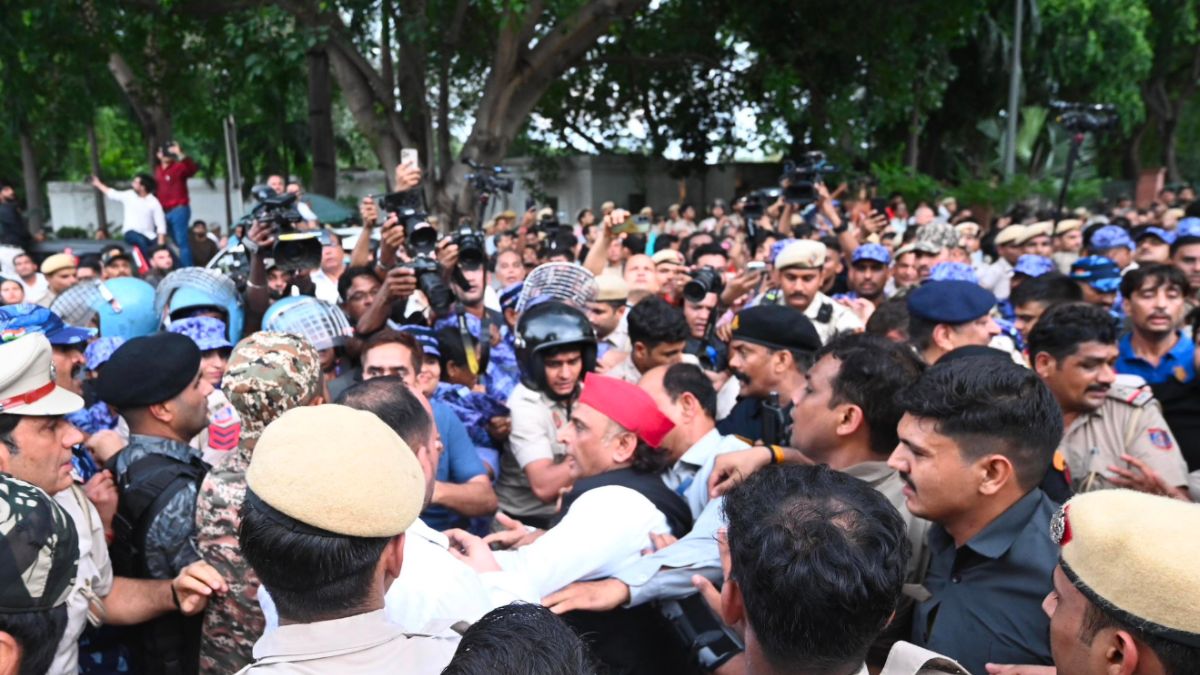
The political situation in Delhi was dominated by high drama on Tuesday as the Lok Sabha resumed discussions on the contentious Public Examinations (Prevention of Unfair Means) Amendment Bill. In the background, Samajwadi Party (SP) chief Akhilesh Yadav hit out at the BJP-led Central Government. He was particularly critical regarding the huge public anger at the recent NEET-UG paper leak and the resignation of Union Education Minister Dharmendra Pradhan.
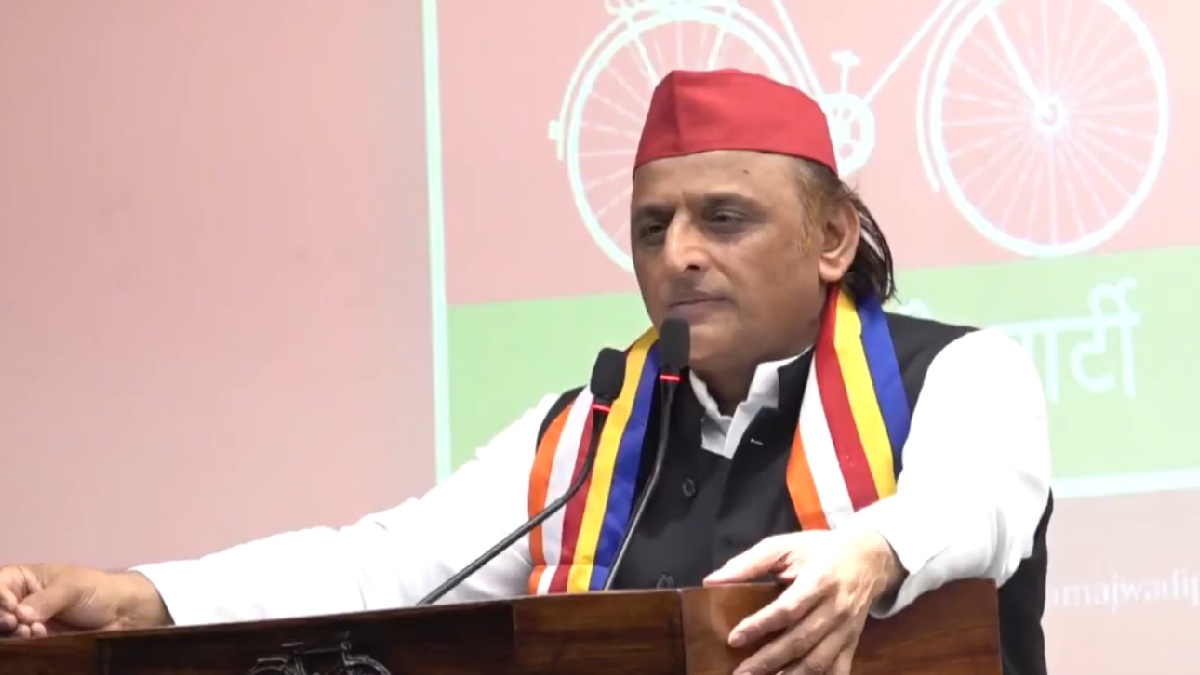
In front of a packed house, Yadav alleged that the former education minister was made to be a political sacrifice in order to save the government to keep Modi from the public anger at home. He said, to applause from opposition benches, that with the removal of one “Pradhan,” the government managed to shield the ‘Pradhan Mantri’ from direct accountability. Yadav said the nation’s youth and student bodies who had been leading such protests made the government turn around to go through their protests, eventually forcing an otherwise determined government to accept the reality of the situation.
Relying on the credibility of the administration’s anti-corruption measures, the SP supremo questioned the practical utility of introducing new legislative amendments. A similar legal framework had already been applied in the past and failed to stem widespread examination fraud, he claimed. Yadav dismissed the ruling party’s assurances as political rhetoric, saying that stricter statutory punishments alone do not fix a broken testing system or heal compromised institutional integrity.
They had a tough debate and the treasury benches went back and forth debating it. The Public Examinations (Prevention of Unfair Means) Amendment Bill, tabled to ban examination fraud, calls for strong penalties, fast-track courts, and a system-wide investigation. While the government argues that the law is a strong check on cheating syndicates, the opposition insists there needs to be fundamental structural accountability to safeguard the future of millions of students across the country.
But the political battles began in Lok Sabha as the government held formal discussions on the Public Examinations (Prevention of Unfair Means) Amendment Bill and brought in Union Minister Jitendra Singh. The proposed legislation will have a big impact on examination fraud and bring in stiff penalties, including a minimum of 10 years in prison for individuals and syndicates involved in paper leaks, alongside fast-track courts for speedy trials. While the government insists that the law will be the toughest check against cheating and institutional malpractice, the opposition will make use of the legislative floor to demand moral responsibility and necessary structural changes in the way the country’s education system is being run.