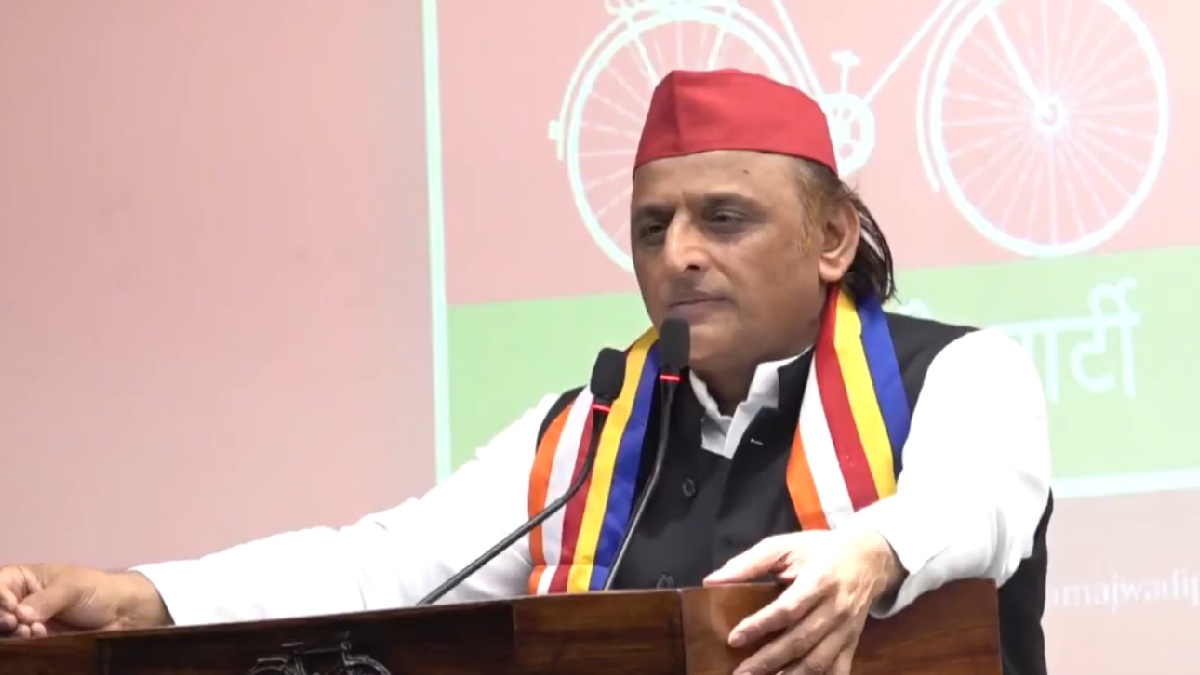
Raksha Bandhan 2026 is another front in the increasingly competitive political fight for women voters in Uttar Pradesh, with Samajwadi Party chief Akhilesh Yadav and Bharatiya Janata Party fighting each other in terms of women-centric politics. If the 2027 Uttar Pradesh Assembly elections are to come, then women will form an important demographic of the electorate, accounting for nearly half.
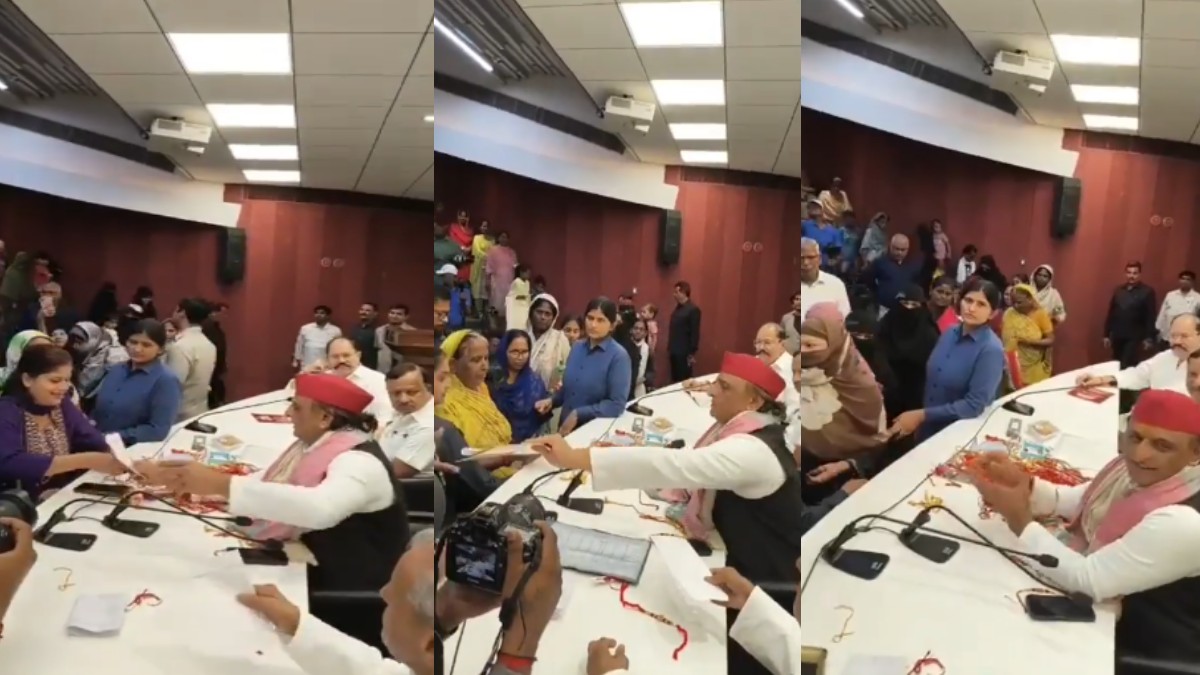
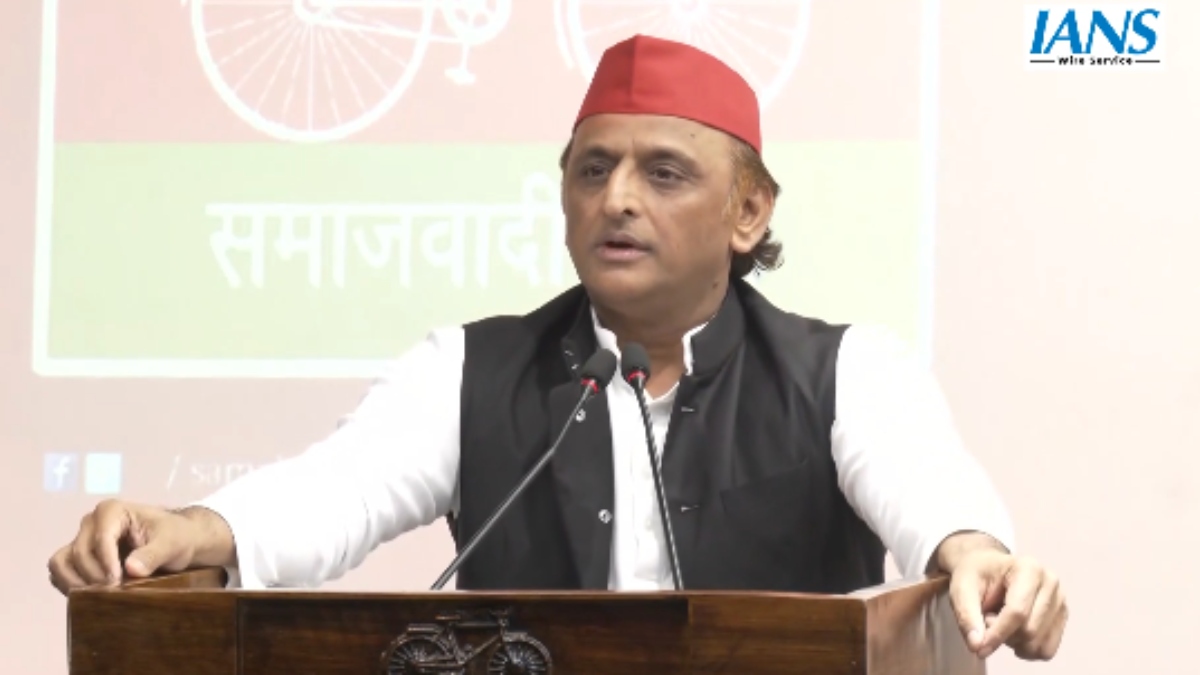
Akhilesh Yadav has been increasing his outreach to women as part of his preparations for the next Assembly election. The chief has announced an annual financial assistance of Rs 40,000 for women if his party returns to power so as to make it a policy that he will take all year round.
The issue of welfare promises and public gestures towards women has only intensified. The BJP has questioned Yadav's outreach as a way to attract voters before the 2027 elections.
BJP leaders have also questioned the SP's proposed financial help and even accused it of being politically motivated. In August, BJP Uttar Pradesh vice president Neeraj Singh accused Yadav of making a "deceptive" promise of Rs 40,000 to women while Yadav had rejected the BJP offer.
At this time when women's voting behaviour is being increasingly covered by political parties across Uttar Pradesh. The recent electoral trends indicate that women voters are becoming more and more important to us from the perspective of the many different caste and social divides. Therefore, political parties are going to put a lot more focus on welfare programmes, safety and representation and economic support for women.
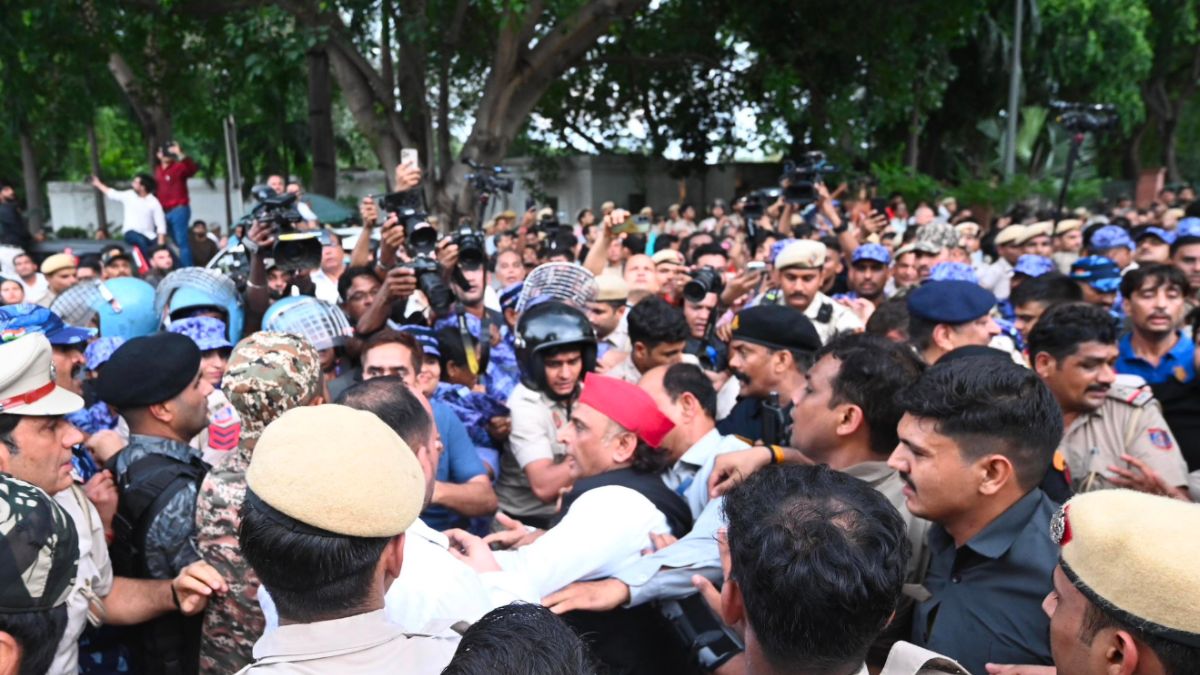
Yadav himself has recently intensified his criticism of the BJP over women's safety and political representation. On August 26 he accused the BJP government of reducing women to a slogan and argued that women should have greater political representation. He also announced that the Samajwadi Party would try to give more Assembly tickets to women than the BJP in the 2027 election. The SP has also announced the proposed "Stree Samman Samriddhi Yojna" as part of its election strategy.
The BJP, meanwhile, has sought to highlight its own women-focused efforts and question the SP’s record. The broader political fight involves welfare proposals and there were reports that the Uttar Pradesh government was considering financial assistance for women earlier this month. Yadav said those reports were political and women should not be approached only with promises of money.
Raksha Bandhan has added a symbolic dimension to this political conversation because the festival is commonly associated with relations between brothers and sisters. Political leaders and parties frequently use major festivals to communicate messages about social welfare, women’s safety and public service. But the increasing focus on women voters means such gestures are also being viewed through an electoral lens.
The BJP’s criticism of Yadav’s approach is part of a larger political debate about whether public gestures and welfare announcements are genuine policy commitments or election-oriented outreach. Moreover, the SP has questioned the BJP’s record on women’s safety and welfare, saying that symbolic gestures should be accompanied by concrete action. These competing narratives are likely to remain central to political discussions in Uttar Pradesh as the 2027 election approaches.
The debate also speaks to a change in Uttar Pradesh politics. Women are no longer seen as the only beneficiaries of welfare schemes but as a voting group whose political preferences can have a big role to play in electoral outcomes as well. In fact, parties are also making their strategy to include women-oriented programmes and commitments, analysts have said, and not just caste-specific ones.
The main issue for voters will be whether political promises become reality, if those are implemented in the form of policies or not, if safety is better; if there’s more representation and not to mention economic opportunities. The BJP and SP will probably have to find a better way to achieve their respective goals and campaign strategy as they prepare for the elections.
रक्षाबंधन के मौके पर अखिलेश यादव वोट खरीदने की कोशिश कर रहा है
— 🇮🇳Jitendra pratap singh🇮🇳 (@jpsin1) August 27, 2026
एक तरफ महिलाओं का अपमान करता है दूसरी तरफ सम्मान करने का ढोंग करता है। pic.twitter.com/feSTLhe2Gm
As Uttar Pradesh moves closer to the 2027 Assembly elections, the contest for women’s support is likely to become more acute. Raksha Bandhan could represent a symbolic basis for political messaging, but the larger picture is the increasing political importance of women and the political policies that parties are putting in place for women in the future. In the coming months, promises, actions and political exchanges will be part of what the BJP and SP will pursue to attract the state’s female electorate, and the state’s female electorate will only get more and more.