The annual pilgrimage to the sacred cave shrine is set to begin preparations as the Amarnath Yatra 2026 registration officially opens on April 15. The Shri Amarnathji Shrine Board has announced that devotees can register both online and through designated bank branches across India, ensuring a structured and secure system for pilgrims planning to undertake the holy journey.
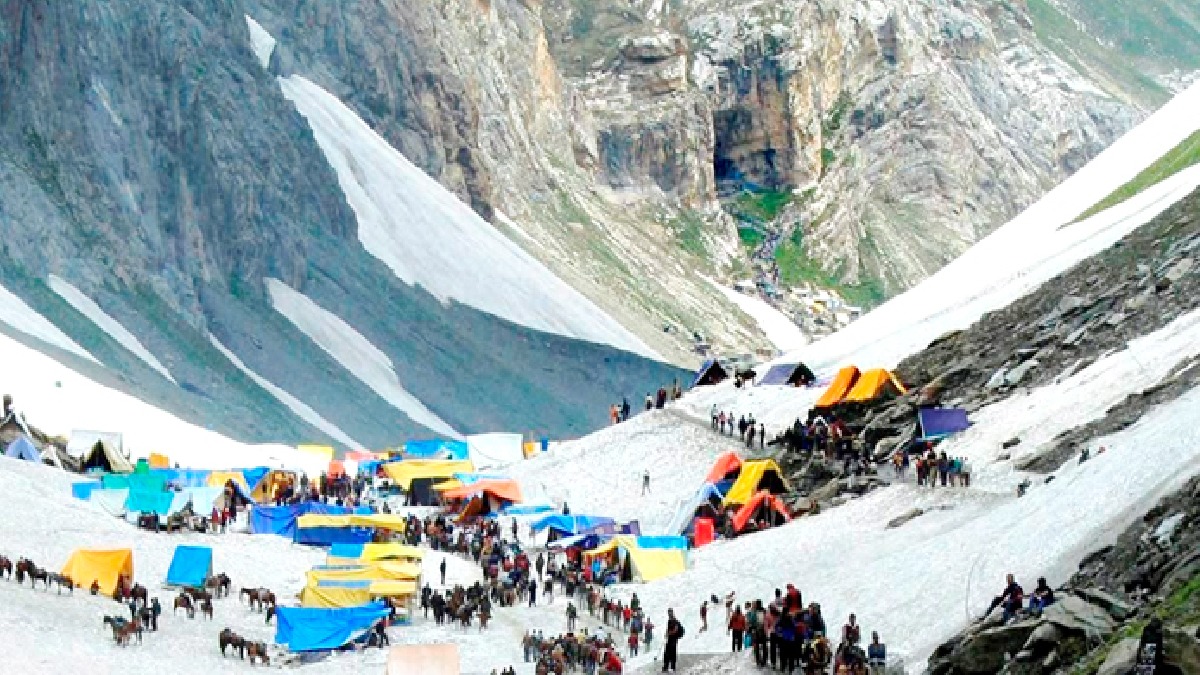
The pilgrimage to Amarnath Cave is one of the most significant spiritual journeys in Hindu tradition. Located at an altitude of 3,880 metres in South Kashmir, the cave is famous for the naturally formed ice Shivling, which is worshipped as a manifestation of Lord Shiva.
According to the Shri Amarnathji Shrine Board, registration for the 2026 Yatra will be conducted through 554 designated bank branches across the country. The process will follow a first come, first served system, subject to daily route-wise quotas. Aadhaar-based biometric authentication will be mandatory for all applicants, and official permits will be issued after verification.
Eligibility Criteria
Authorities have clearly defined eligibility rules for pilgrims:
- Only individuals between 13 and 70 years of age are allowed to register.
- Pregnant women beyond six weeks of pregnancy are not permitted to undertake the Yatra.
- Medical fitness certificates are mandatory for all registered pilgrims.
These rules are designed to ensure the safety of devotees, given the challenging terrain and high-altitude conditions.

Routes and Duration
The pilgrimage usually lasts 30 to 40 days during the summer season. Pilgrims can choose between two traditional routes:
- The Pahalgam route, which is longer but considered more gradual.
- The Baltal route, which is shorter but steeper and more physically demanding.
Both routes lead to the sacred cave shrine, which is located approximately 46 km from Pahalgam and 14 km from Baltal.
RFID and Security Measures
A key safety feature introduced by authorities is the mandatory use of RFID (Radio Frequency Identification) tags. Every registered yatri must collect their RFID card from designated centers in Jammu and Kashmir before beginning the journey.
Pilgrims are required to:
- Wear RFID tags at all times during the Yatra.
- Carry Aadhaar details during collection.
- Present identity proof along with the Yatra permit.
Security forces and administrative teams closely monitor the entire route to ensure safe movement of pilgrims.
Do’s and Don’ts for Pilgrims
Authorities have issued strict guidelines to ensure safety:
Do’s:
- Carry warm clothing as temperatures may drop below 5°C.
- Use waterproof bags for food and clothing.
- Wear trekking shoes suitable for steep terrain.
- Carry emergency contact information.
- Follow official instructions at all times.
Don’ts:
- Do not consume alcohol, caffeine, or tobacco during the journey.
- Avoid shortcuts or unsafe paths.
- Do not ignore symptoms of altitude sickness.
- Plastic usage is strictly prohibited in the Yatra zone.
- Do not proceed without an RFID card.
Officials also stressed the importance of environmental protection, urging pilgrims to keep the holy region clean and respect its ecological sensitivity.
Spiritual Significance
The Amarnath Cave is considered one of the most sacred Hindu pilgrimage sites, dedicated to Lord Shiva. According to religious belief, the naturally formed ice lingam inside the cave waxes and wanes with the lunar cycle, symbolizing divine presence.
The pilgrimage attracts thousands of devotees each year who undertake the challenging journey seeking blessings and spiritual fulfillment.
With registration opening on April 15, authorities are urging devotees to apply early and follow all safety guidelines. The Amarnath Yatra 2026 promises to continue its legacy as one of India’s most revered spiritual journeys, combining devotion, discipline, and resilience.