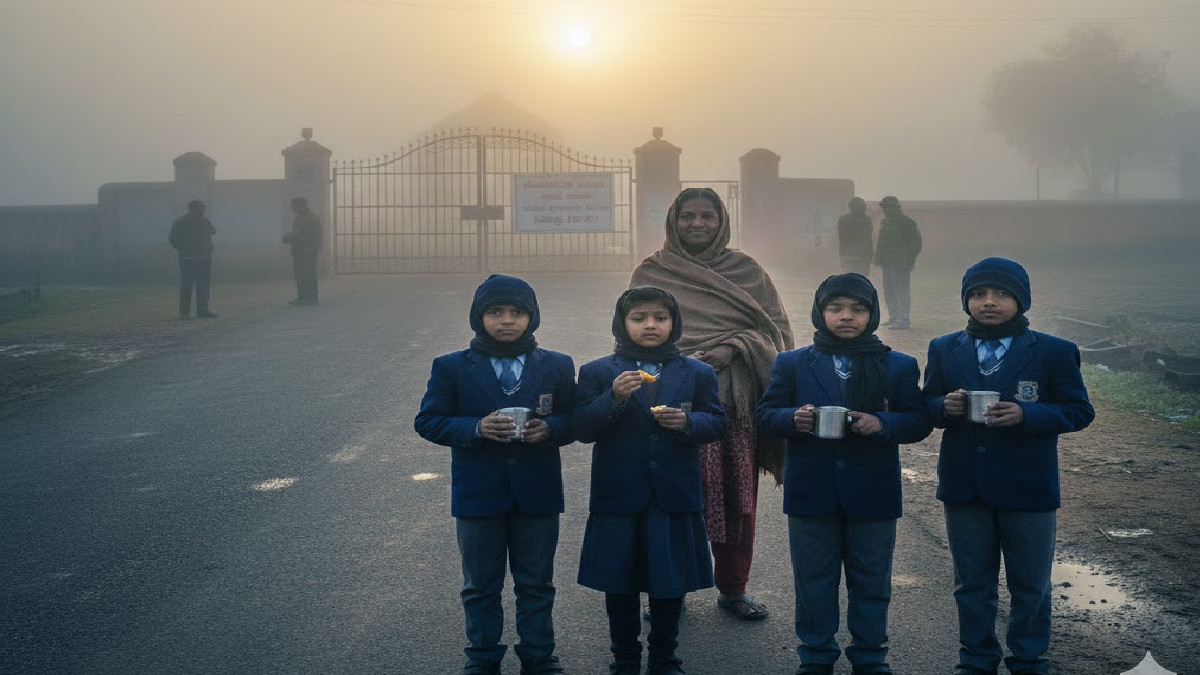
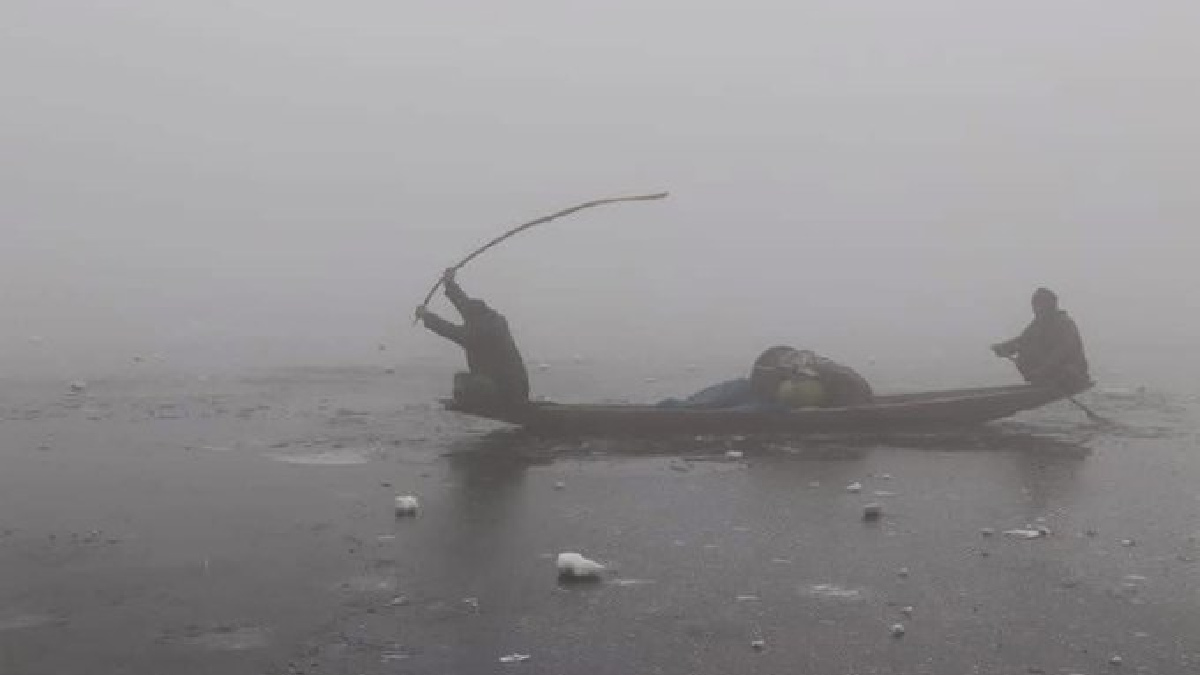
The Kashmir Valley is experiencing an intense cold wave, with temperatures plummeting several degrees below the freezing point, marking the coldest period of the season so far, weeks ahead of the traditional winter's peak. The region is currently in the grip of a prolonged dry spell, which, combined with clear night skies, has intensified the chill.
Record Lows Across the Valley
The capital city, Srinagar, recorded its season's coldest night on Wednesday, dropping to a minimum of –3.9°C, which is four degrees below the normal temperature for this time of year. However, the harshest conditions were reported in the high-altitude and mountainous regions:
| Location | Minimum Temperature Recorded | Significance |
| Zojila Pass | –16.0°C | Remains the coldest recorded point in the entire region. |
| Srinagar City | –3.9°C | Season's coldest night for the capital. |
| Pahalgam | –4.6°C | The tourist resort freezes significantly. |
| Shopian | –6.2°C | One of the coldest inhabited places in the Valley. |
| Gulmarg | 0.0°C | The ski resort hovers right at the freezing point. |
| Ladakh (Leh/Kargil) | –8.2°C to –9.0°C | The high-altitude Union Territory also reels under severe cold. |
Disruption and Adaptation
The sub-zero temperatures have caused widespread discomfort and disruption in daily life:
- Frozen Water Lines: Water supply lines in many parts of the Valley have frozen partially during the early morning hours, creating problems for residents.
- School Closures: Recognizing the difficulty faced by children in the bitter morning cold, authorities have announced staggered winter vacations for schools, starting as early as December 1st for lower classes.
- Traditional Defense: Locals have fully embraced traditional winter measures, including the ubiquitous 'Pheran' (a loose tweed overcoat) and the 'Kangri' (an earthen firepot woven in willow wicker).
Looming 'Chillai-Kalan'
The current severe cold precedes the most dreaded period of winter in Kashmir, the 'Chillai-Kalan' (Persian for "Grand Cold"). This 40-day period of intense cold traditionally begins on December 21st and is characterized by the highest probability of heavy snowfall and persistent sub-zero temperatures.
The Meteorological Department has forecast that the prevailing dry weather is likely to continue for the next few days, indicating that the night temperatures are expected to drop further as the region enters a full winter mode. Forecasters are looking towards the second week of December for the season's first significant snowfall, which would offer some relief from the "dry cold" but also bring its own set of challenges, including road closures and power disruptions.