Health authorities in Andhra Pradesh have increased surveillance levels after two COVID-19-related deaths and eight cases were reported in the state, and they have advised healthcare facilities for monitoring and preparedness measures to be strengthened. Although the number of active infections is low, the Health Department is advising healthcare facilities to be cautious and to follow the procedures in place for surveillance.
The officials said there was no indication that it is a widespread outbreak at this stage, but a few recent cases are a reminder that COVID-19 is not eradicated and is still prevalent in parts of the country. Public health experts say frequent cases and localized clusters are to be expected, and timely medical intervention is vital.
As for health officials, surveillance systems have been activated to closely monitor new infections, monitor hospital admissions, and detect any unusual rise in respiratory illnesses. District health officials have also been advised to strengthen testing where clinically indicated, check healthcare facilities for preparedness, and ensure that medicines and medical equipment are available in place and that they are ready for doctors.
The Health Department recommends hospitals to be prepared for any increase in patients while maintaining routine infection prevention and control (e.g., medical professionals can be advised to remain vigilant in the treatment of patients with fever, cough, sore throat, breathing difficulty, or other respiratory illnesses) in the future.
As for the current COVID-19 cases, the public should not be panicking, they said, but rather take sensible preventive measures, particularly for elderly people, immunocompromised persons, pregnant persons, and people with chronic medical conditions. People with respiratory symptoms should seek medical checkup and not self-medicate.
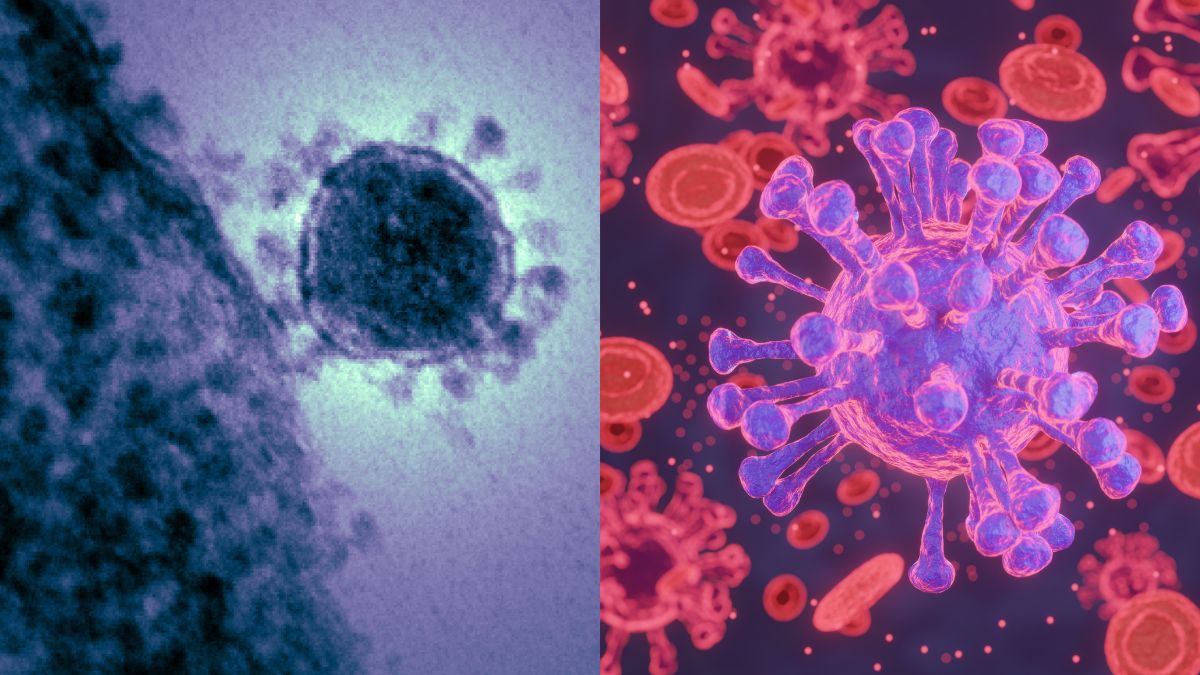
Public health experts note that the virus that causes COVID-19 is still evolving, and health authorities throughout the world monitor new variants. COVID-19 is now managed with the common purpose of public health control in mind in most countries: to prevent the outbreak of severe disease with vaccination, early diagnosis, and appropriate medical treatment rather than to impose strict restrictions.
Vaccination is still one of the best ways to avoid serious illness, hospitalization, and death. Health professionals recommend that people in the highest risk group follow the latest vaccination guidance in their region.
Authorities have also promoted basic respiratory hygiene practices that can reduce the spread of COVID-19 and other respiratory infections. These include washing hands regularly with soap and water, covering coughs and sneezes, ensuring adequate ventilation in indoor spaces, and considering the use of a well-fitting mask in crowded or poorly ventilated settings, especially if experiencing symptoms or caring for vulnerable individuals.
Healthcare administrators are assessing hospital readiness, especially oxygen supply, intensive care facilities, isolation wards, and diagnostic capabilities. Lessons learned from previous waves of the pandemic have dramatically strengthened India's public health infrastructure, which means authorities can respond more effectively to new health threats.
Seasonal respiratory infections, such as influenza and other viral infections, are common, experts say, and may occur along with COVID-19. Laboratory tests may be needed in some cases to understand the cause of the respiratory infection and its treatment.
The deaths are currently being assessed by health authorities to better understand the clinical circumstances and potential risk factors. In the public health context, very serious outcomes are more likely for patients with underlying medical conditions, advanced ages, or compromised immune systems, and early medical intervention is therefore essential for vulnerable populations, said public health officials.
State authorities are also communicating with national public health agencies so that surveillance data, laboratory results, and epidemiological information can be shared in a timely manner. This kind of coordination allows analysis of trends, tracking viral activity, and early public health responses where necessary.
The medical professionals tell citizens to only rely on public health departments and other recognized public health organizations. They discourage anyone from spreading unverified or false claims on social media, which can contribute to unnecessary anxiety and confusion.
The Health Department has confirmed that the situation is now in check and that there is no immediate cause for alarm. But public cooperation is still needed. Good hygiene should be maintained, medical advice sought if any symptoms emerge, and the health authorities’ advice followed.
Andhra Pradesh’s recent developments are a reminder that although the acute phase of the pandemic has passed, COVID-19 is still a public health issue to be closely monitored. Surveillance, vaccination, responsible health practices, and timely medical care will help prevent new infections and protect public health.