Happy hours is usually associated with restaurants, cafes and entertainment venues. But a reported offer from Apollo Hospitals has given the phrase an unexpected healthcare twist.
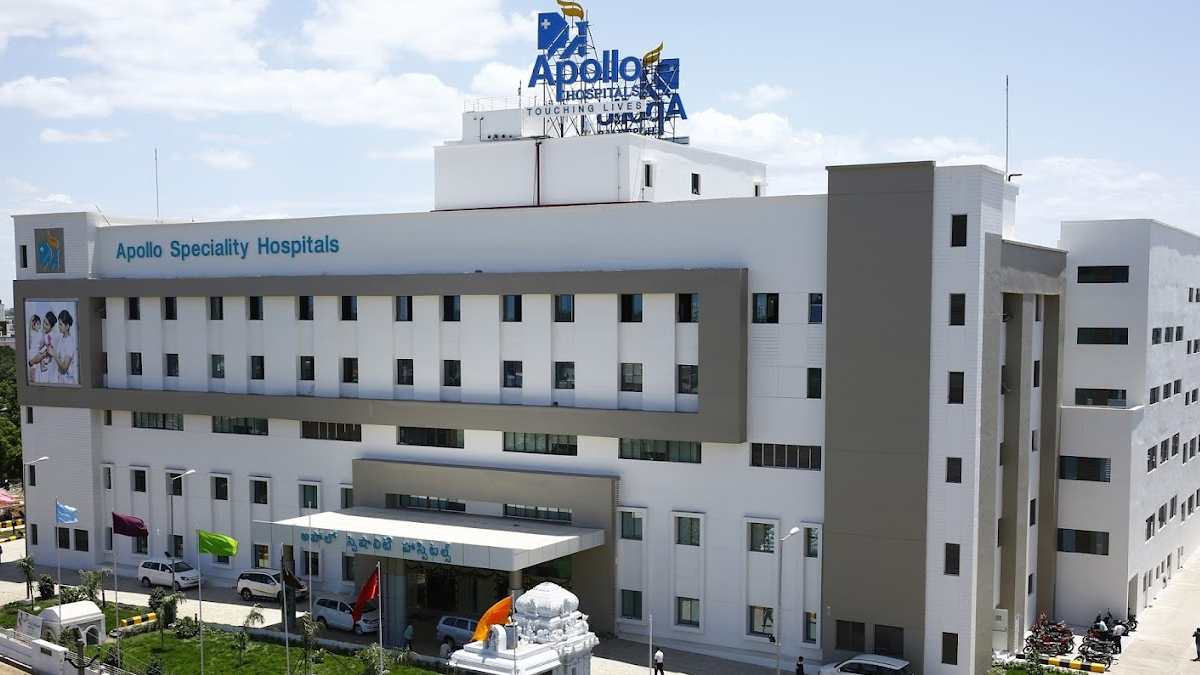
The 40% discount on MRI scans during late night hours has caught attention online, and social media users are reacting to the unusual promotion.
MRI scans are essential diagnostic tools used by doctors to investigate different parts of the body (brain, spine, joints and internal organs). But for the patient sometimes it’s expensive to get an MRI and many investigations need to take place.
The late-night discount has therefore attracted interest not only because of its unusual presentation but also because it could help to reduce diagnostic expenses.
Happy Hours…For An MRI! was soon a talking point on social media. Many users had to laugh at how strange it is to associate a medical scan with a term usually used for discounted food and beverages.
Others looked at the offer from a more practical point of view. Discounts on diagnostic services might offer some financial relief to patients, when medical expenses are already putting pressure on household budgets, they said.
The idea of offering lower prices during less busy hours is not completely new in the healthcare industry. Hospitals have tried to do off-peak pricing for diagnostic services.
In 2013, a Business Standard report showed how healthcare providers were using “happy hour” pricing to attract patients during quieter periods and improve the utilisation of expensive diagnostic equipment.
MRI machines are expensive pieces of medical equipment and require significant investment to run. Hospitals could therefore have an incentive to increase machine utilisation during hours when demand is lower.
For patients, however, such arrangements might allow for diagnosis at a reduced price.
The viral response also reflects a larger discussion about healthcare affordability in India. Diagnostic tests can be a large portion of medical bills, particularly for patients undergoing treatment that requires repeated scans and investigations.
But patients should not opt for an MRI just because of a discount. The test should be performed when medically required, and based on appropriate medical advice.
Patients should also confirm the exact scan covered by the offer, applicable timings, terms and conditions, and the final price of the MRI should be confirmed before making an appointment.
The unusual promotion has, however, succeeded in sparking conversation. What would normally be a routine hospital pricing offer has become an internet talking point because of its unexpected “happy hours” branding.
It is not clear whether such off-peak discounts will become more common across hospitals.
But Apollo’s reported MRI offer has shown that even medical diagnostics can become a viral topic when healthcare meets an unconventional marketing idea.