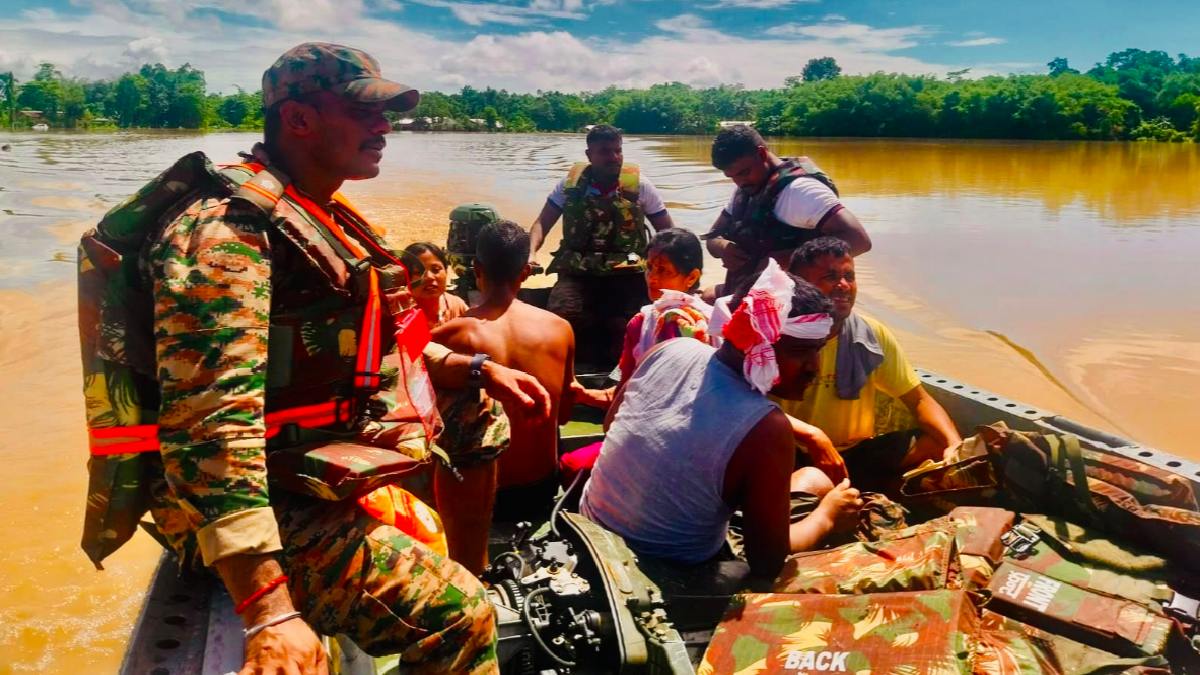
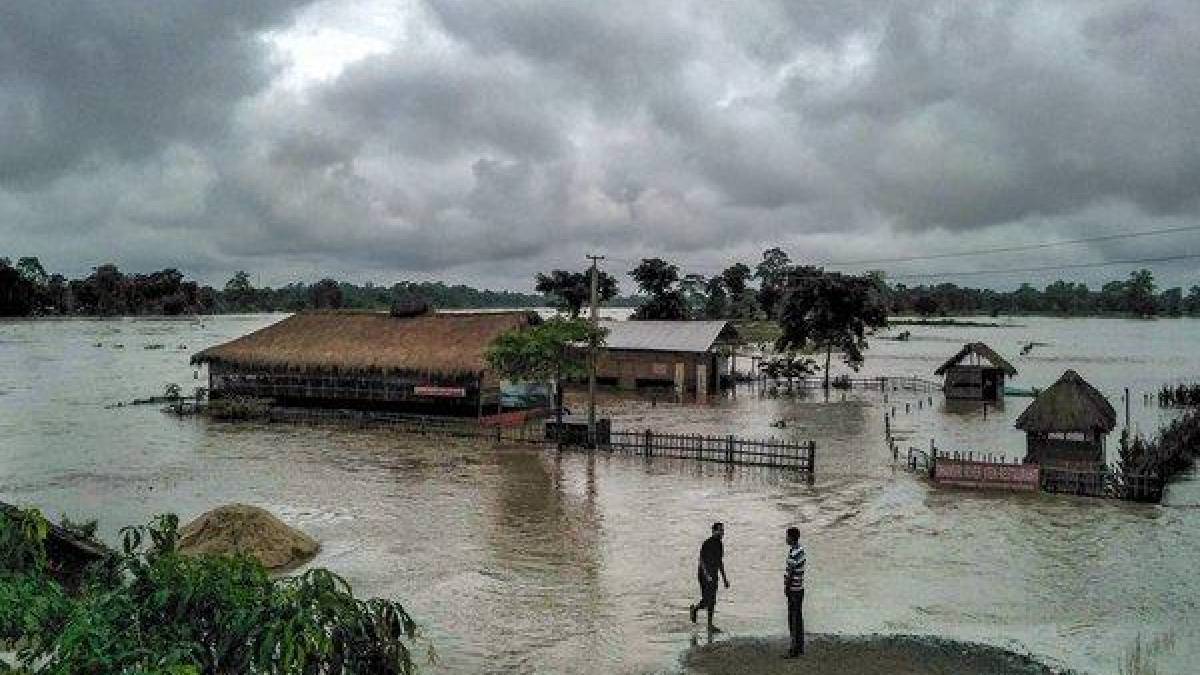
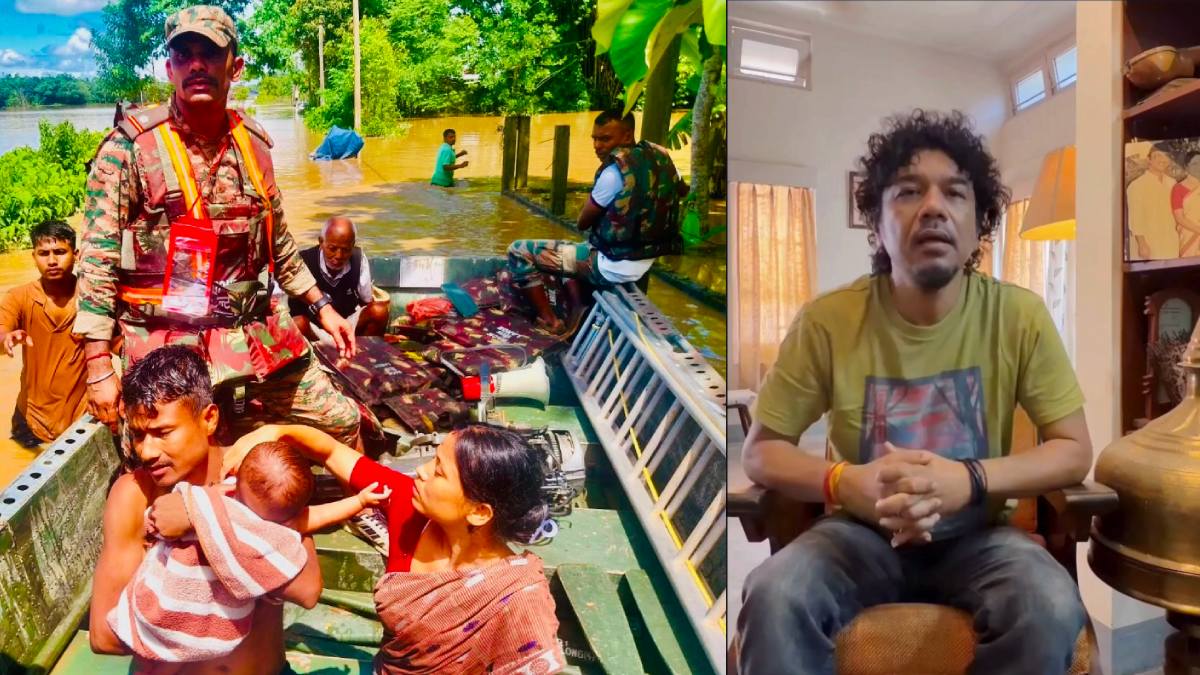
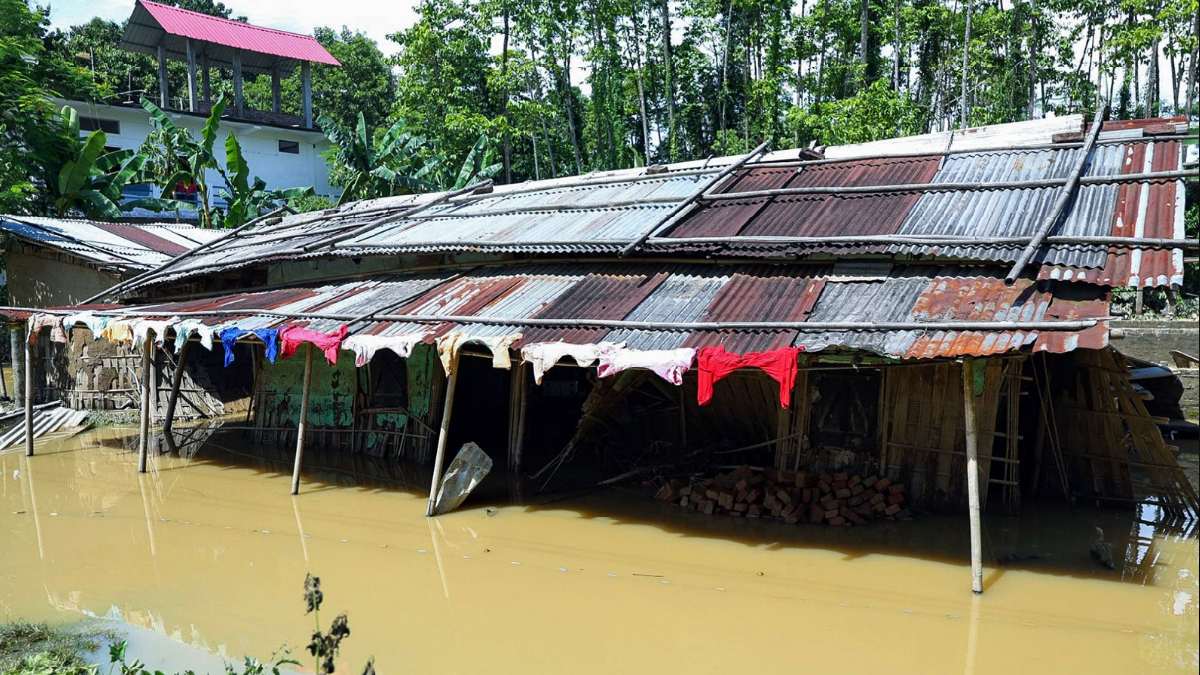
Assam’s flood crisis is still acute and the death toll is now 98 as many districts are suffering from a lot of flooding, displacement and damage to buildings and infrastructure. As of now, 57 men, 23 women and 18 children, including 12 boys and six girls, have been killed in Assam as a result of the flooding, the ASDMA said. Rescue and recovery efforts are ongoing across the affected districts as well as helping families who have fled their homes.
Cachar has emerged as the worst affected district with 22 dead in fatalities. Sivasagar has had 10 deaths, with Karimganj having nine and Golaghat six. Deaths from Dhemaji, Nagaon, Udalguri, Sonitpur, and Karbi Anglong are also reported, which is indicative of the widespread effect of the flooding in Assam.
District administration and revenue circle officials are monitoring water levels and planning for relief measures while working with the flood situation to keep communities safe. Rescue teams and local authorities are helping with the transfer of victims of the flood to safer places, and supplies and financial assistance are being provided to the affected families.
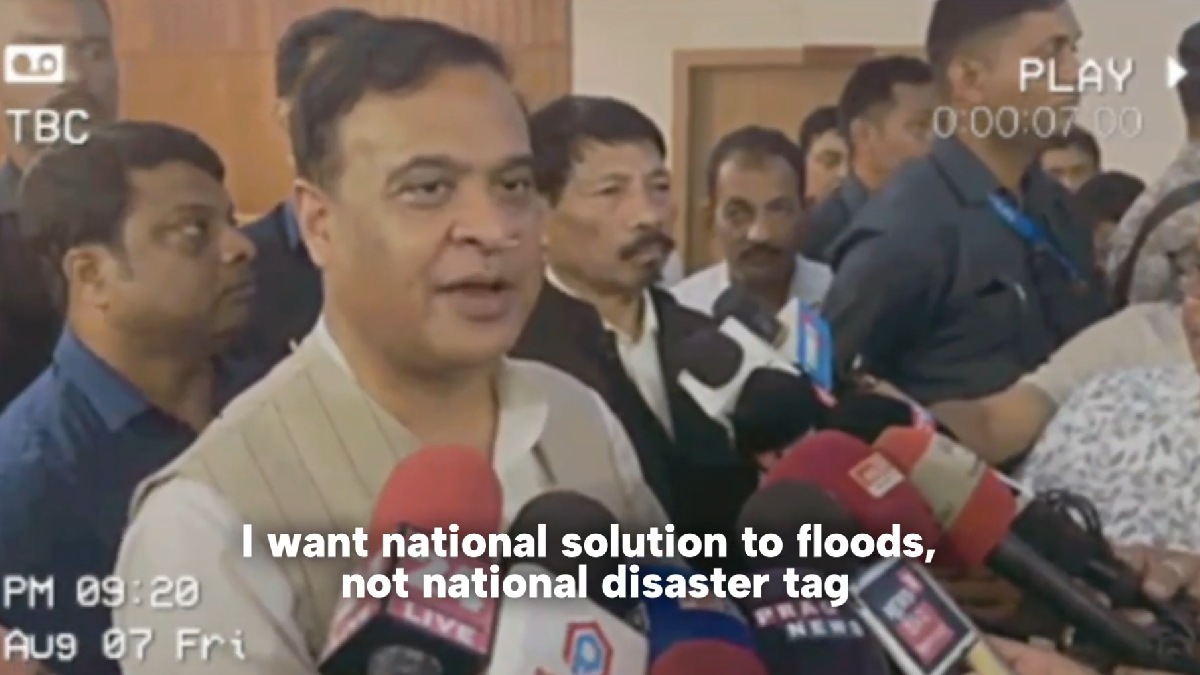
Himanta Sarma Seeks National Solutions To Assam’s Flood Problem
Assam Chief Minister Himanta Biswa Sarma has called for a long-term, national approach to the state’s recurring flood problem. Sarma said rather than declaring floods as a national disaster, we should focus on reaching out to the solutions that can address the underlying problems that keep coming up every year in Assam.
In a post on X, Sarma said: “We want national solutions to floods, not for it to be declared a national disaster.” He also stressed the need for cooperation between the government and civil society to develop innovative and sustainable methods that could eventually be implemented by the government.
We want national solutions to floods, not for it to be declared a national disaster.
— Himanta Biswa Sarma (@himantabiswa) August 7, 2026
Govt and Civil society must work together on this matter- Our academia should come up with innovative and sustainable solutions to floods, which our Govt can implement to tackle the problem. pic.twitter.com/RIsJZgMEYw
The chief minister’s comments come as Assam is still dealing with the human and economic repercussions of severe flooding. Long-standing floods have long affected large areas of the state, ruining houses, roads, agricultural land and other infrastructure and forcing thousands of people to seek temporary shelter.
Sarma’s emphasis on national solutions also indicates the need for coordinated efforts on scientific research, flood management, infrastructure planning and long-term rehabilitation. Such efforts could complement relief efforts and help communities to be more resilient against future flooding.
Sivasagar Speeds Up Rehabilitation And Financial Help.
Meanwhile, Assam Minister Pijush Hazarika chaired a meeting in Sivasagar on 7 August to review relief and post-flood rehabilitation efforts. Ministers Bimal Borah and Sushanta Borgohain, as well as Nazira MLA Mayur Borgohain, were present at the Deputy Commissioner’s Office.
The meeting focused on rehabilitation, damage assessment, dewatering and releasing floodwater from affected areas. A review also took place concerning efforts to get families assistance as quickly as possible.
According to the Deputy Commissioner, around 43,000 flood-affected families in Sivasagar have received the Assam government’s interim financial assistance of Rs 15,000. Hazarika instructed officials to make sure that every eligible family gets the assistance without unnecessary delay.
No deserving family should be excluded from the relief process, the minister said. Rehabilitation efforts were to be intensified and coordination among government departments was to be ensured.
Hazarika has been in Sivasagar for the last seven days to oversee relief and rehabilitation in Sivasagar and Charaideo districts. He has visited flood-hit areas, met the affected residents and monitored the implementation of relief measures.
The district administration is also preparing to mobilize resources to provide temporary shelters for families whose homes were completely washed away. Safety of the people will be a priority as the government goes from immediate rescue work to rehabilitation, the Department of Public Services says.
Lovlina Borgohain Visits Flood-Hit Golaghat
Indian boxer Lovlina Borgohain also visited flood-affected areas of Golaghat on Friday and expressed concern over the scale of destruction. Large areas of the district continued to get flooded as the Dhansiri and Doyang rivers continued to rise, forcing several families to leave their homes and seek refuge in relief camps.
Borgohain described the situation as very difficult, particularly for families who had lost their homes. Food and clothing have been distributed, she said, but there were still some residents who had not been provided with proper shelter.
Some families were spending nights wherever they could find a safe place to live after their homes were destroyed, said the boxer. Housing is a priority for the government as displaced families cannot rebuild their lives without a secure roof over their heads, she said.
Her visit also brought to light the issues that continue to be confronted even after immediate relief supplies reach flood-hit communities. Food, clothing and other essentials are important in an emergency, but in the long-term recovery process, homes, sanitation facilities, infrastructure and livelihood support are needed.
Long Road Ahead For Assam’s Flood-Affected Families.
The rising death toll and widespread displacement illustrate the extent of the current crisis. Rescue and relief efforts are required, but in the next phase, rehabilitation efforts will be needed to help families whose homes and livelihoods have been destroyed.
The government will need to assess damage, repair basic infrastructure and ensure that all people who are eligible for assistance are provided financial assistance. Temporary shelters can provide immediate protection, but permanent housing will be needed for families whose houses have been washed away.
The Assam floods again put the need for both an immediate disaster response and long-term flood management at the forefront. As Chief Minister Himanta Biswa Sarma has said, the problem is more than declaring floods a national disaster. Government action, scientific research, academic expertise and community involvement will be required to prevent future floods from becoming an issue.
For thousands of families, the immediate concerns are safety, shelter, financial aid and a way forward in life. With 98 deaths, the focus is at least to prevent further loss of life and to help those who need help to heal and rebuild.