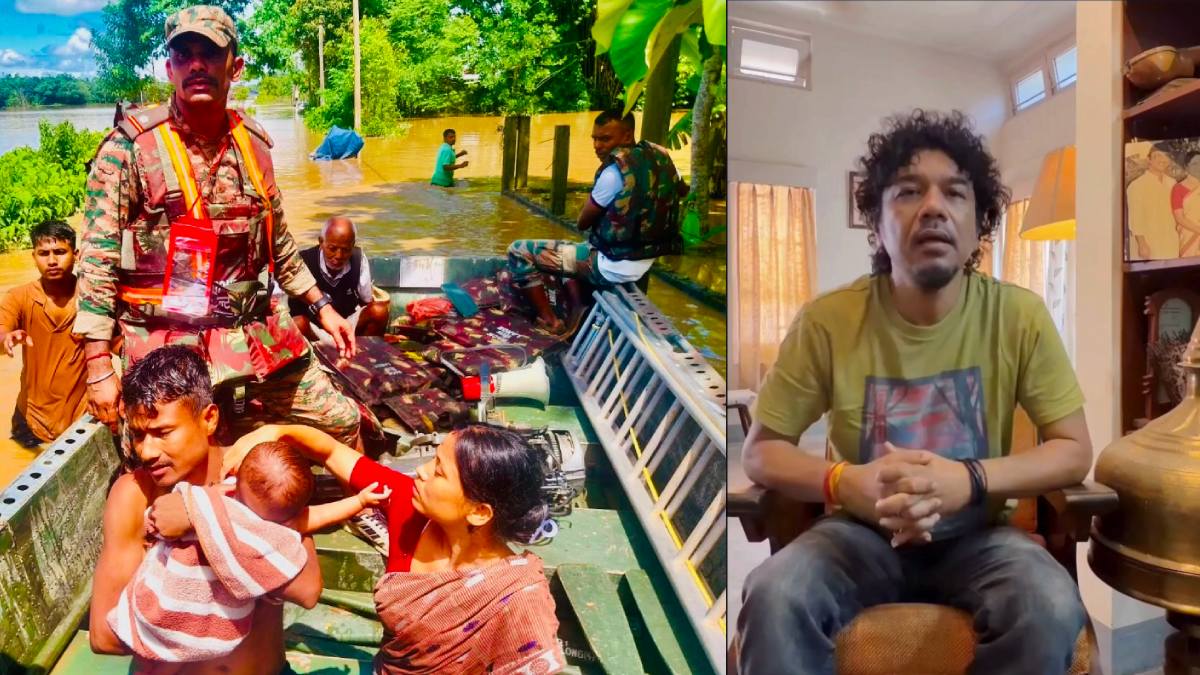
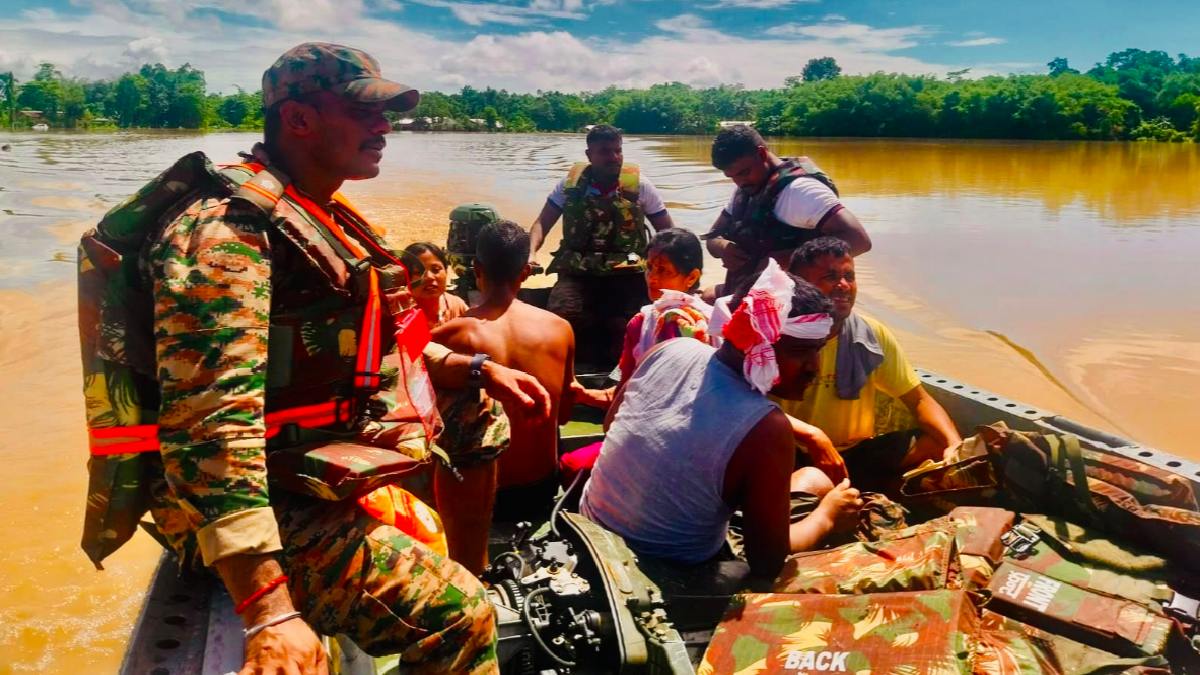
Golaghat, Assam: The flood situation in Assam’s Golaghat district is worse than ever as the overflowing Dhansiri River continues to inundate new areas, forcing the people of Assam to deal with rising water levels and uncertainty. Floodwater has been flowing into many houses in the Dusutimukh area in Marangi Mouza and in the vicinity, where families, livestock, and belongings are staying, and families are still under water.
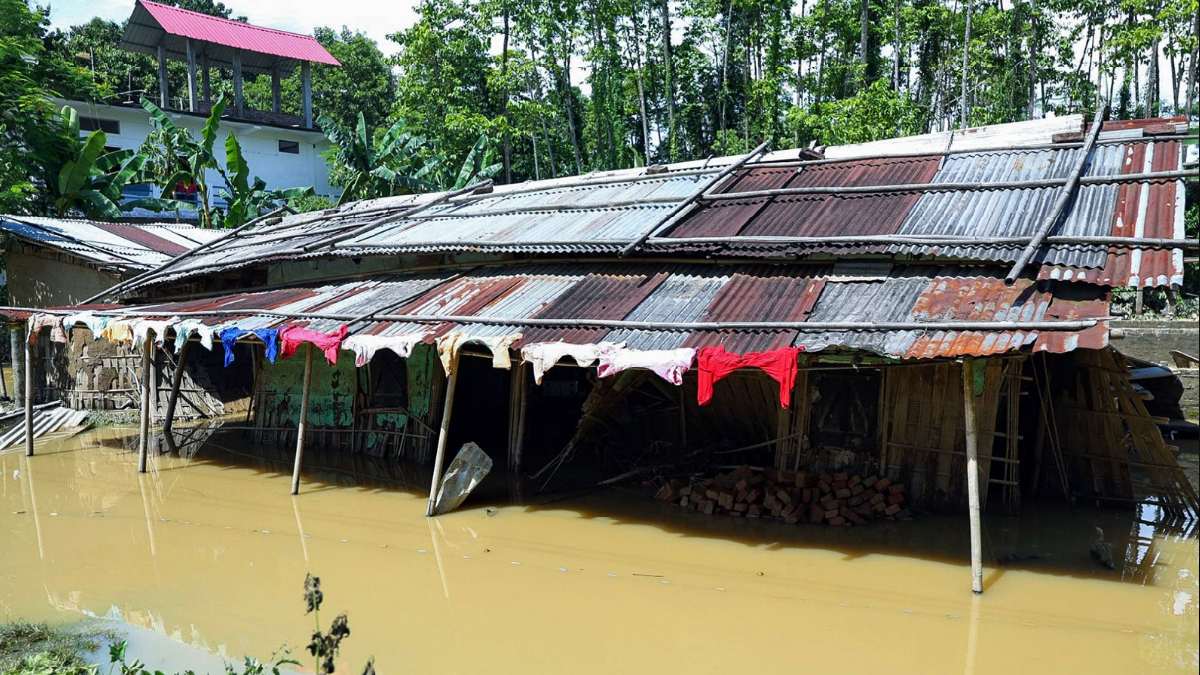
The flooding has affected a large population in the Khumtai Assembly constituency. As many as 14,000 families have been affected by the floods—nearly 52,000 people, the district administration reported. As water continues to spread through residential areas, more than 1,300 people have been relocated to 32 relief camps in the district.
Many residents are leaving their homes because the floodwater is so high that there are family members who are forced to leave them behind, and the only option has been to leave their homes. Many people from several nearby villages have been forced to move to safer locations and relief camps. But some people have remained in their own homes, in some cases on upper floors or elevated portions of their homes, because they are reluctant to leave behind their belongings and livestock.
Cows, goats, and other domestic animals have become a major concern for families affected by the flooding. Residents who depend on livestock for their livelihood are now faced with the choice of staying behind to protect their animals or moving to relief camps without them. The worsening situation has thus created challenges beyond the immediate need for shelter.
Mrinal Saikia, Khumtai MLA, said the flood situation in Assam has remained severe for the last 4 to 5 days, and the situation in Assam has deteriorated since August last year and is still poor. The Dhansiri River has overflowed in parts of Khumtai, affecting many villages and compelling people in the Khumtai area to seek refuge in relief camps.
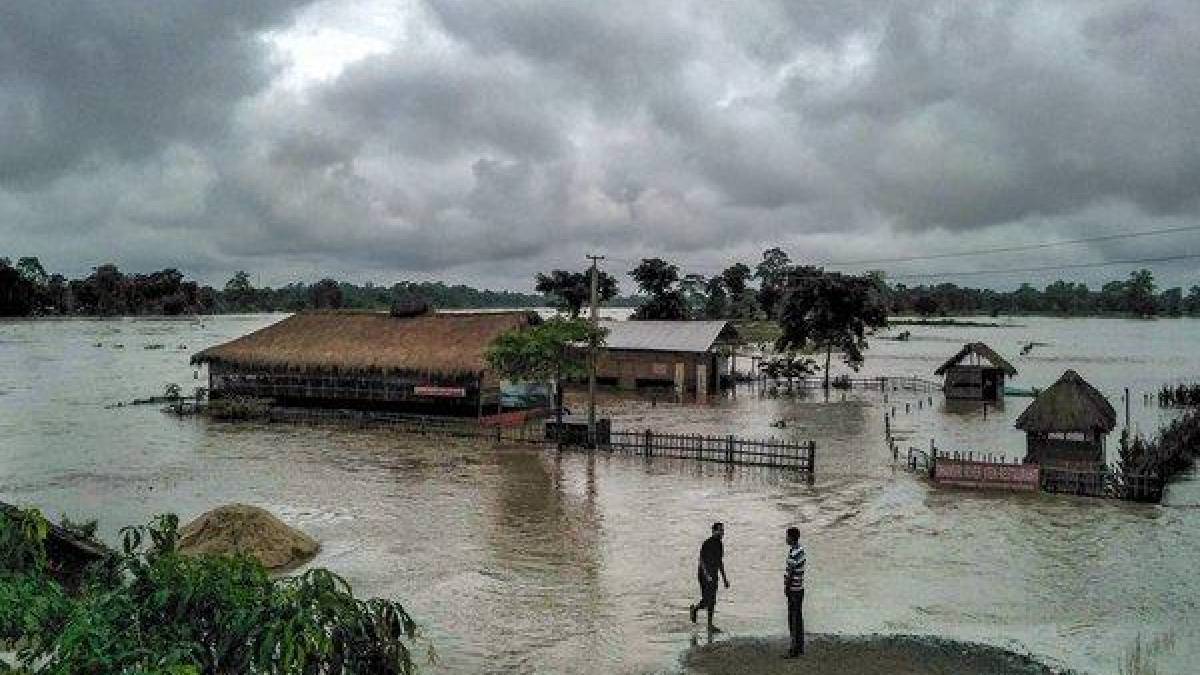
“More than a thousand people have lost their homes and are staying in relief camps,” Saikia said, illustrating the extent of displacement caused by the flooding. He also emphasized that some people are staying in their homes because they have belongings and livestock they can’t quickly leave behind.
The MLA said people are trapped in Kadamguri and Rangdoi, among other affected areas. The presence of stranded residents has added urgency to rescue and relief operations, particularly in areas where roads and access routes may be affected by the rising water.
The flooding has also disrupted essential infrastructure in the affected region. St. Mary's School is one of those facilities impacted by the rising floodwaters, reflecting the wider disruption to normal life. Schools, roads, homes, and other community facilities in flood-prone areas are finding it increasingly difficult as water levels remain high.
The flood damage is not limited to Golaghat. There are other parts of Assam, too, that are experiencing rising water levels, including Nazira, Sivasagar, Charaideo, and Mangaldoi, as well as areas near the Dhansiri River. The widespread nature of the flooding has increased pressure on local administrations and relief agencies to provide shelter, food, and other essential assistance.
The district administration has established relief camps for displaced individuals and is monitoring the flood situation as water continues to spread. A lot of attention is focused on those in inundated areas and the displaced residents in villages.
For Golaghat and other flood-affected districts, the immediate priority is safety as the monsoon situation continues to evolve. With the Dhansiri River overflowing and new areas coming under water, authorities are closely monitoring water levels and working to assist people forced to leave their homes.
The latest developments highlight the recurring challenges Assam faces during the monsoon season. River overflows can quickly affect settlements, agricultural land, livestock, and essential infrastructure, leaving thousands dependent on emergency assistance. As floodwater levels continue to rise in parts of Golaghat, authorities and local communities remain focused on evacuation, shelter, and relief measures for those most vulnerable.