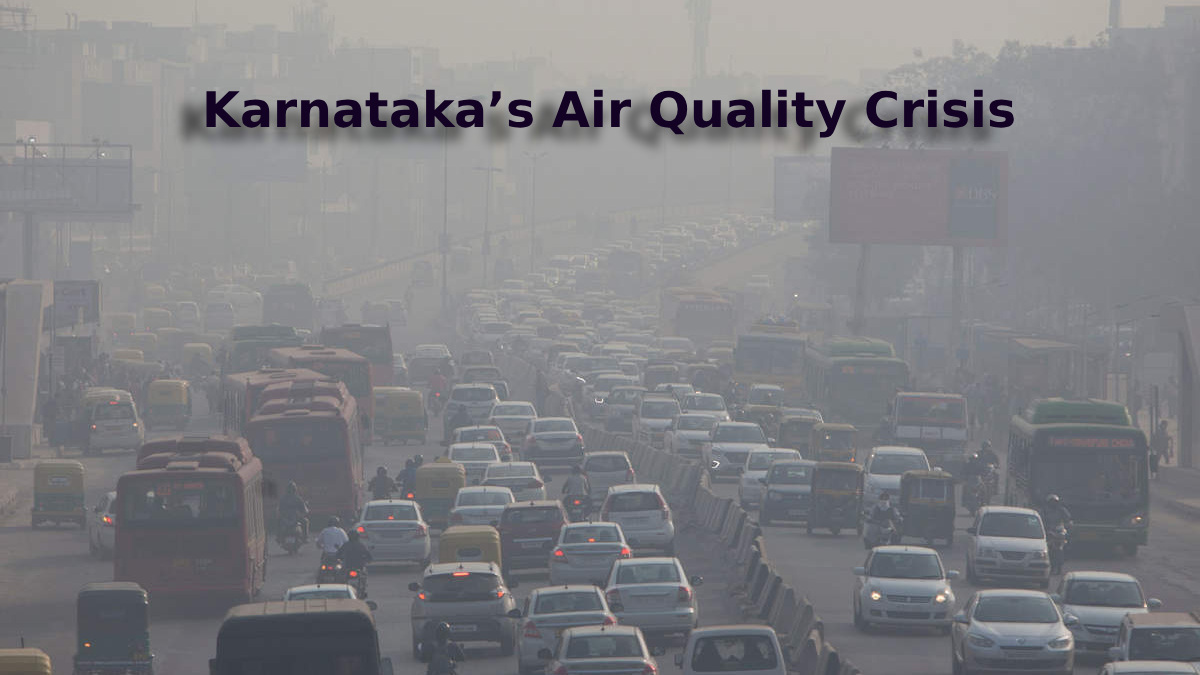
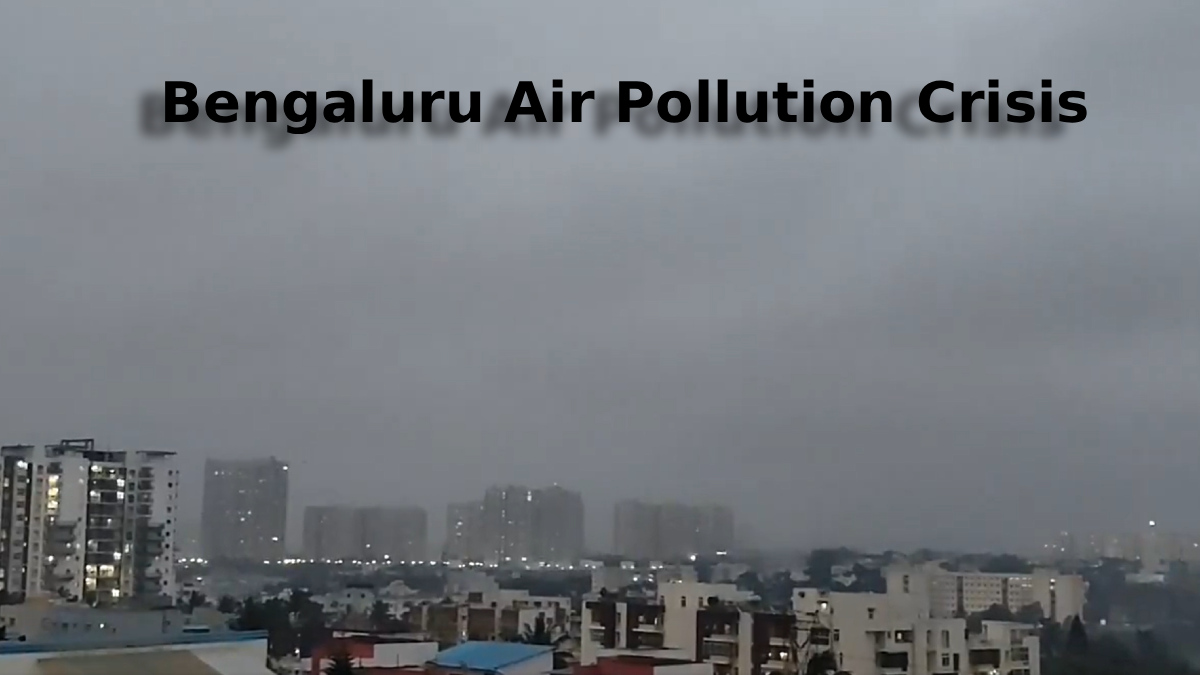
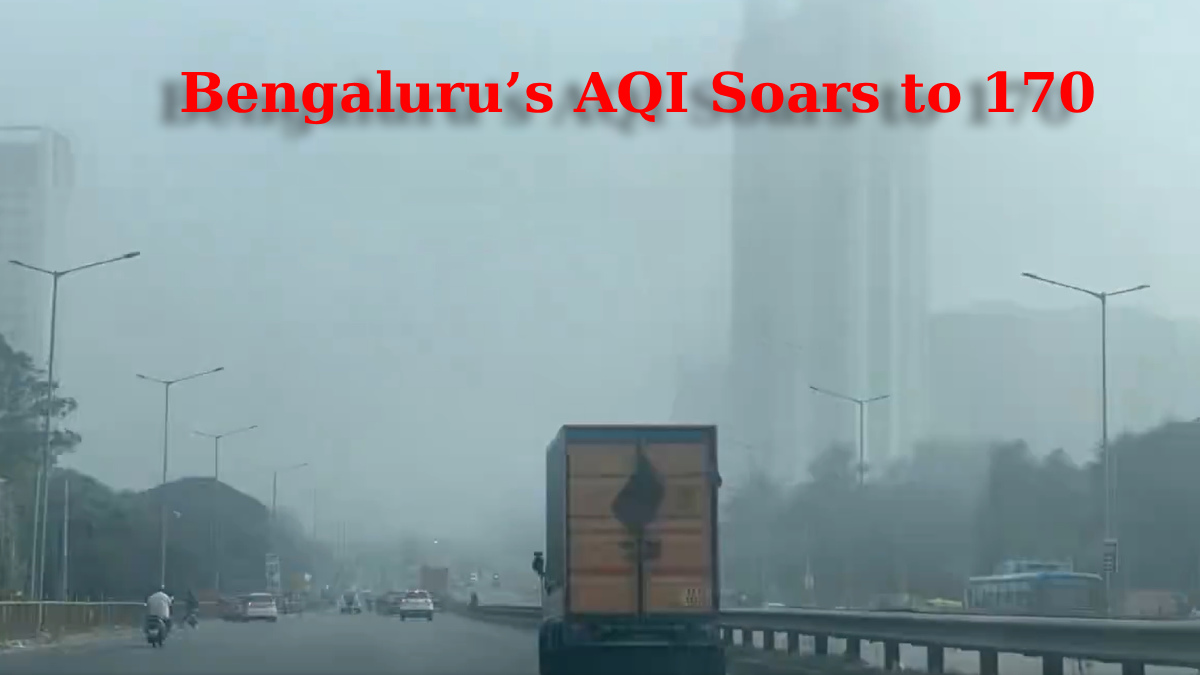
Bengaluru, often hailed for its comparatively mild climate, has recently witnessed a concerning dip in its air quality, with the Air Quality Index (AQI) spiking to levels around 150 in several locations. This score falls squarely into the 'Poor' to 'Unhealthy for Sensitive Groups' category, a significant departure from the 'Moderate' levels the city often reports.
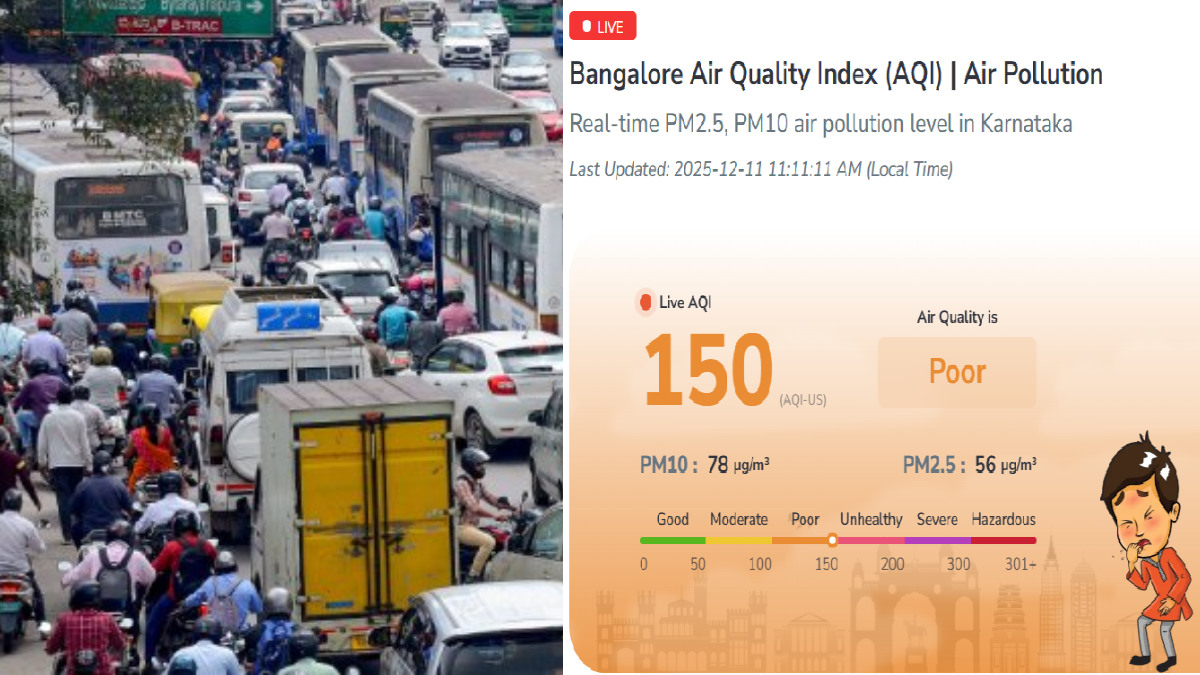
The primary pollutants driving this alarming trend are the fine particulate matter, specifically PM 2.5 and PM 10, alongside Nitrogen Dioxide. This deterioration raises immediate health flags, signaling that the general public may begin to experience adverse effects, while sensitive populations face even more serious complications. The sudden spike underscores the perennial challenge of managing pollution in a rapidly expanding urban centre.
The Primary Drivers: Traffic, Construction, and Winter's Grip
The causes behind Bengaluru's AQI rise are multi-faceted and largely attributed to three major urban factors. Firstly, the city's overwhelming vehicular population—surpassing 1.25 crore registered vehicles—is a colossal source of emissions. Fuel combustion releases substantial amounts of PM 2.5 and NO2 particularly in congested zones like Silk Board and Hebbal, which consistently report higher pollution levels. Secondly, the ubiquitous road and building construction activities are responsible for churning up vast quantities of dust and particulate matter PM 10, which remains suspended in the air. Finally, the onset of winter brings about a meteorological phenomenon known as thermal inversion. This condition prevents ground-level air from rising, trapping pollutants close to the surface and concentrating them, thus significantly amplifying the AQI during early morning and late evening hours.
Understanding the Health Impact of AQI 150
An AQI of 150 is categorized as 'Unhealthy' for sensitive groups, and 'Poor' for the general population, meaning everyone may begin to experience health effects. The microscopic PM 2.5 particles, which are smaller than 2.5 micrometres, can bypass the body's natural defenses, penetrating deep into the lungs and even entering the bloodstream. **** Prolonged exposure can lead to a host of respiratory and cardiovascular issues. Sensitive individuals—including children, the elderly, pregnant women, and those with pre-existing conditions like asthma, bronchitis, or heart disease—are at high risk of experiencing severe symptoms, such as wheezing, persistent coughing, shortness of breath, and throat irritation. Even healthy individuals may report mild discomfort and reduced lung function during this period.
Essential Precautions for Bengaluru Residents
Given the current pollution levels, residents are strongly advised to take immediate precautionary measures to safeguard their health. Limit outdoor exertion and physical activities, especially during peak pollution hours (early morning and late evening). When stepping outside, particularly in high-traffic areas, wearing high-quality respiratory masks, such as N95 or N99 masks, is highly recommended to filter out PM 2.5. Furthermore, residents should keep windows and doors closed to prevent outdoor pollutants from entering homes, and utilize air purifiers indoors if available. It is also crucial for people with chronic respiratory or cardiac conditions to strictly follow their medication plans and keep emergency inhalers readily accessible.
City-Wide Response and Future Outlook
The alarming air quality figures have prompted the city administration to accelerate control measures. While BMRCL and BBMP continue to enforce stringent vehicle emission norms, promote the shift to electric vehicles, and regulate construction dust, the current crisis highlights the need for immediate, comprehensive action. Efforts like the greater deployment of mechanical road sweeping machines and the enforcement of construction site vertical coverings are crucial. Ultimately, sustainable improvement requires a holistic approach: strengthening public transport, creating more green spaces, and rigorous enforcement of waste management regulations to curb open waste burning. Until these long-term strategies yield results, the residents must remain vigilant and prioritize personal health during these periods of compromised air quality.