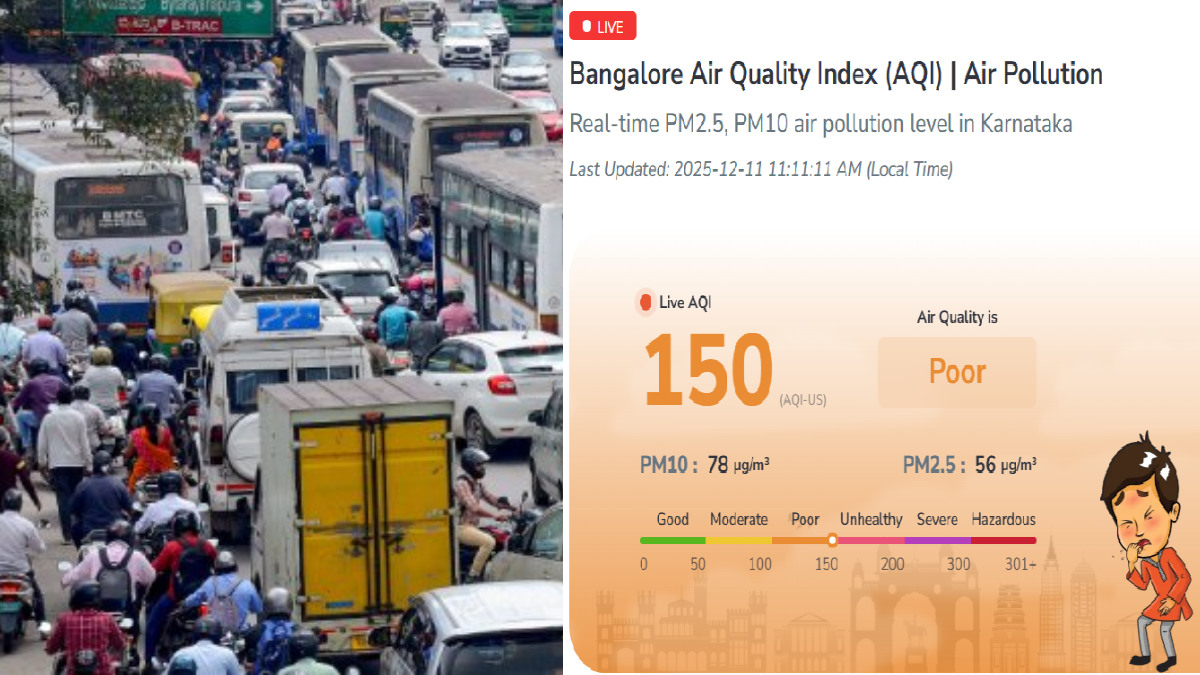
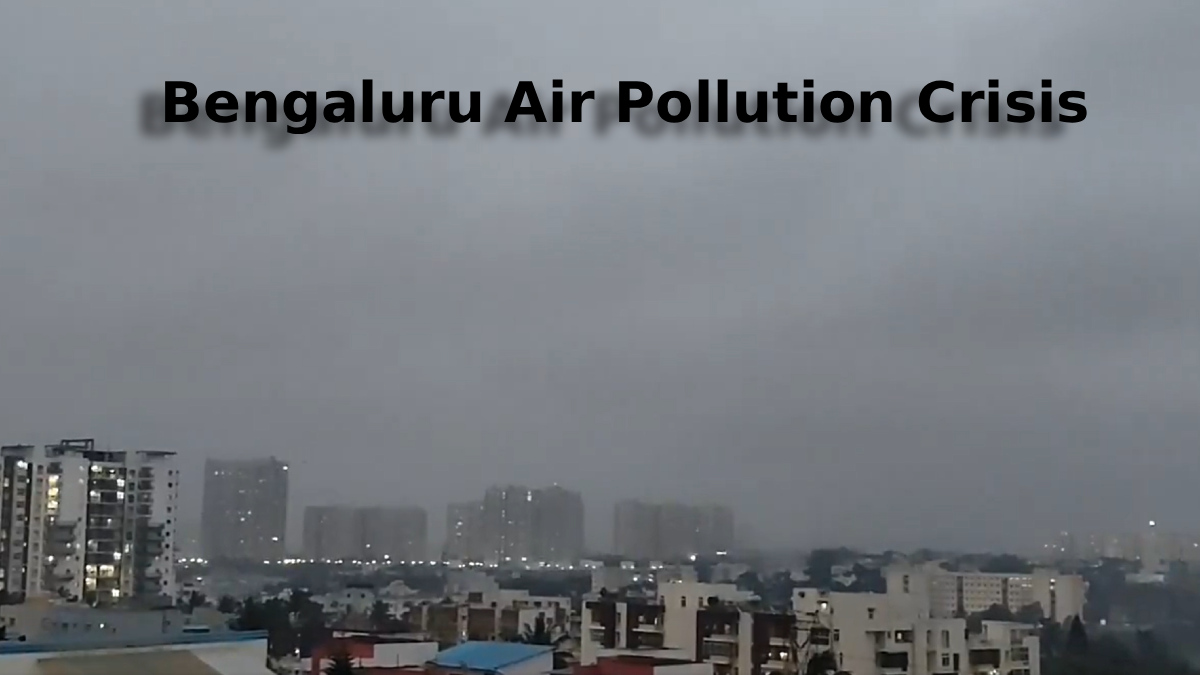
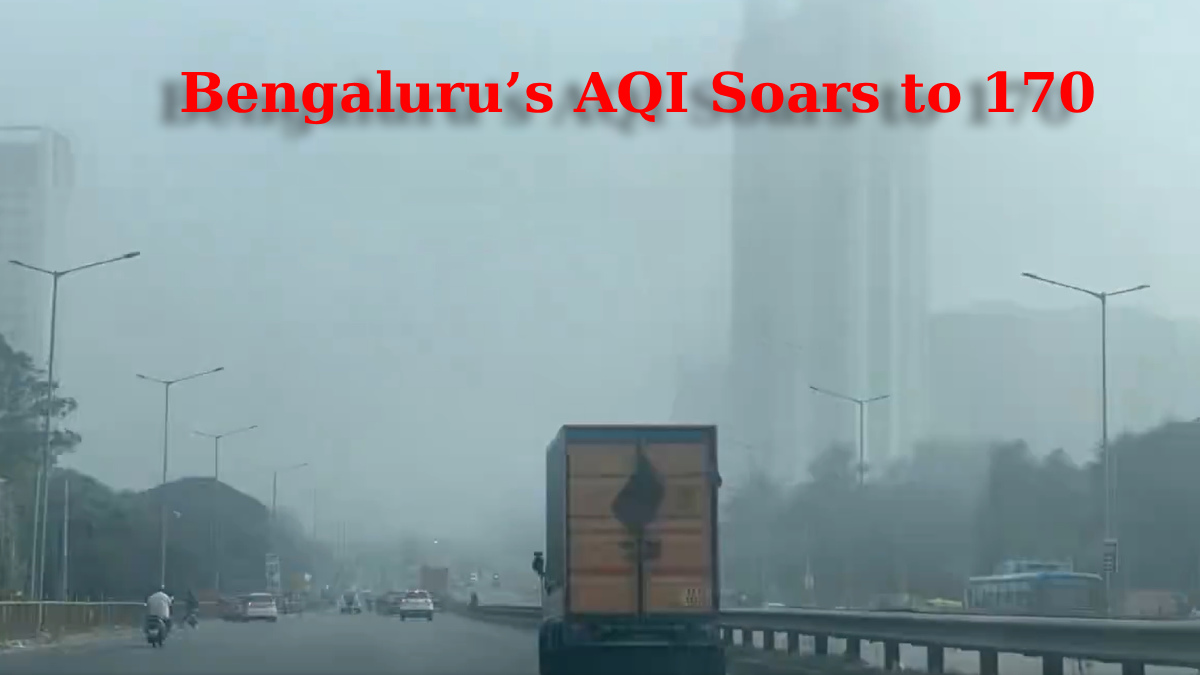
The "Garden City" of Bengaluru and the industrial hub of Bellary are facing a significant environmental challenge as air quality continues to deteriorate daily. Experts warn that while Bengaluru’s atmosphere is geographically different from the toxic winters of Delhi, the rising levels of Particulate Matter (PM) over the last five years are a cause for serious alarm.
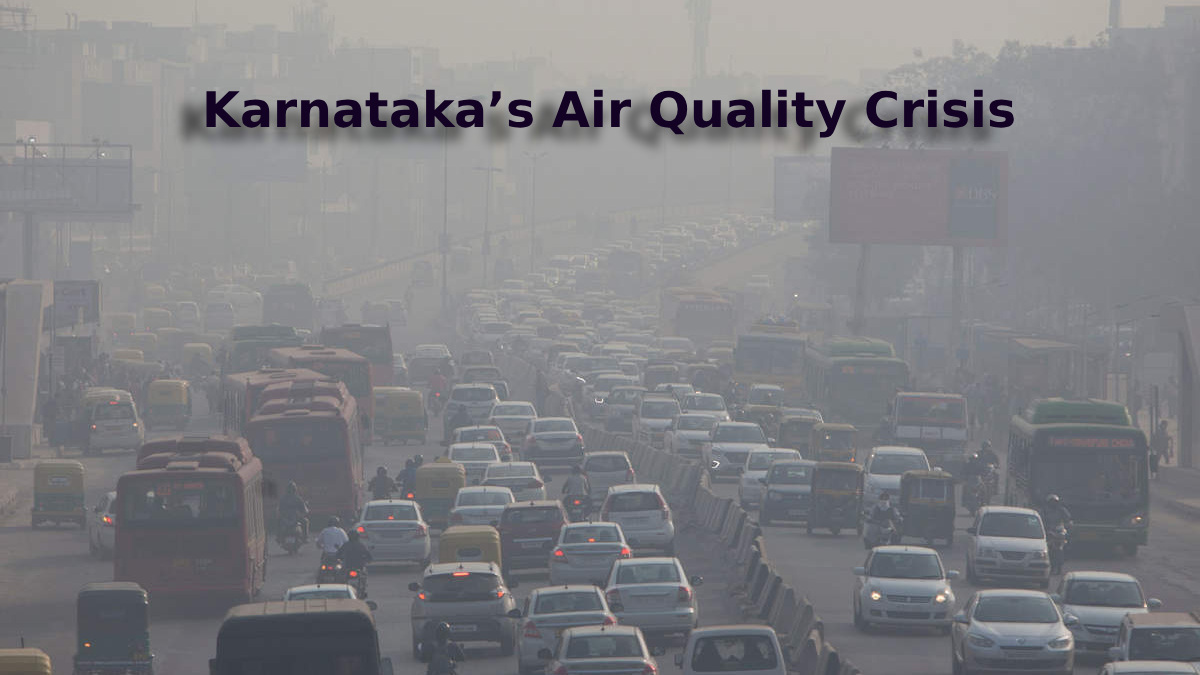
The "New Delhi" of the South?
Recent data shows Bengaluru’s Air Quality Index (AQI) hovering around 170, a staggering 20–25% increase in pollution over the last five years. While Delhi’s AQI has crossed the "Severe" mark of 580, the gap between the two cities is narrowing. A decade ago, the difference in pollution levels was 300%; today, that margin is shrinking rapidly as Bengaluru begins to compete with the toxic air of Mumbai and Kolkata.
Understanding PM: The Invisible Killer
The primary culprit in Karnataka’s air is PM2.5 (particles smaller than 2.5 micrometers). In Bengaluru, the current PM2.5 concentration is approximately 64 µg/m³—which is 4.2 times higher than the WHO-recommended safety limit of 15 µg/m³.
The Main Contributors:
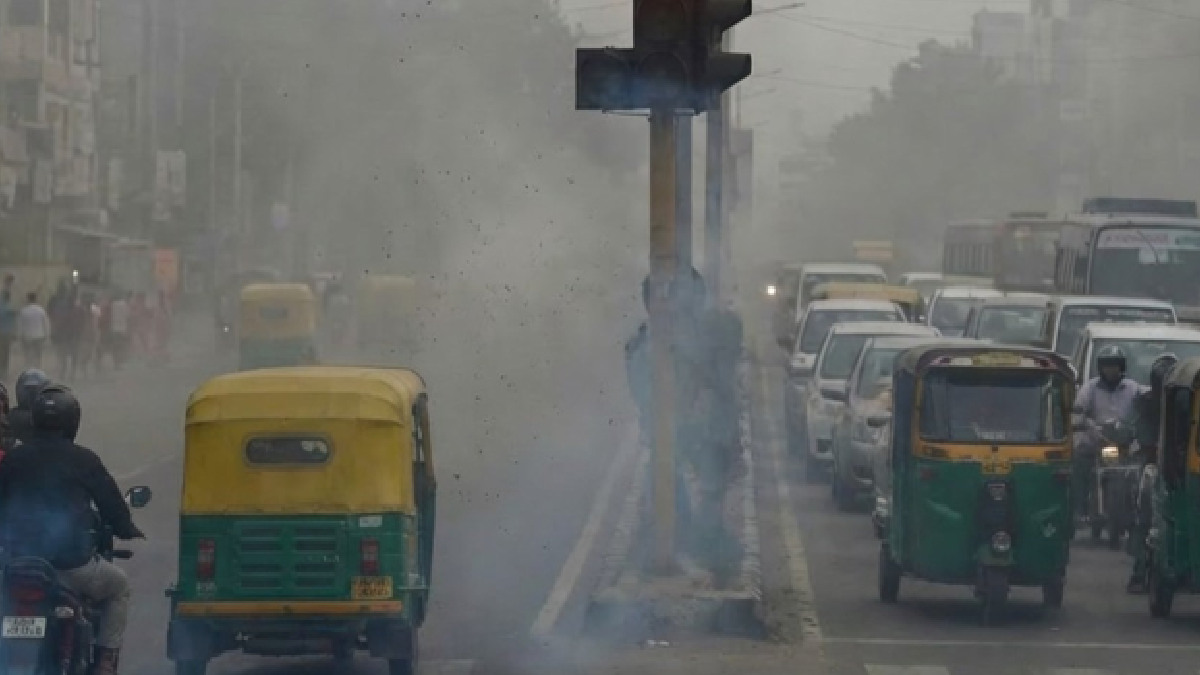
- Vehicular Exhaust: With over 1.23 crore vehicles now on Bengaluru’s roads, transport emissions account for 42% of the city's total pollution.
- Traffic Hotspots: Areas like Silk Board and Whitefield consistently record AQI levels 30% higher than the city average.
- Industrial Activity: In cities like Bellary and Belagavi, heavy industry and mining contribute to even higher local AQI readings.
Daily AQI Snapshot: Karnataka Cities (Dec 23, 2025)
How to Read the AQI Scale
Understanding the numbers is the first step toward safety:
- 0–50 (Good): Minimal health impact.
- 50–100 (Moderate): Minor breathing discomfort for sensitive people.
- 100–150 (Poor): Breathing discomfort to most people on prolonged exposure.
- 150–200 (Unhealthy): Risk of heart and lung diseases; outdoor activity should be limited.
- 200–300 (Severe): Significant respiratory impact.
- 300+ (Hazardous): Life-threatening for those with pre-existing conditions.
Expert Health Advice
Health experts suggest that once the AQI crosses the 150 mark, it is no longer just a "respiratory issue." Long-term exposure at these levels can lead to:
- Cardiovascular Complications: Increased risk of heart attacks.
- Chronic Respiratory Diseases: Worsening of Asthma and COPD.
- Vulnerable Groups: Children and the elderly in high-pollution zones like Bellary should wear N95 masks during peak hours.