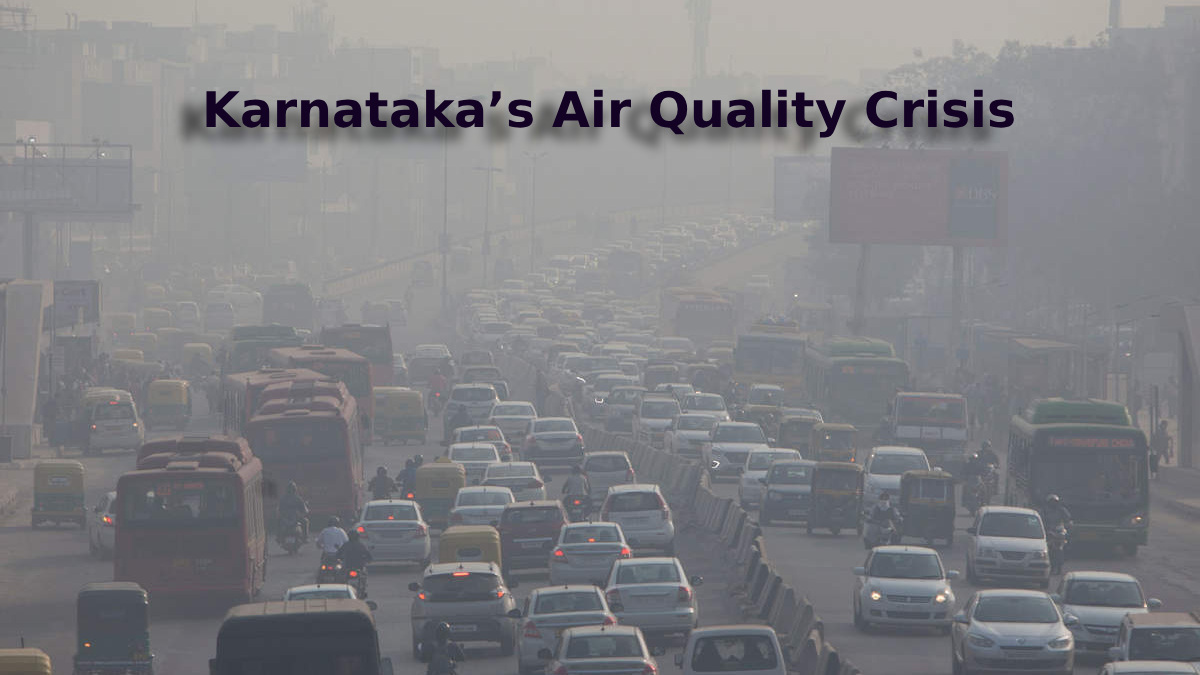
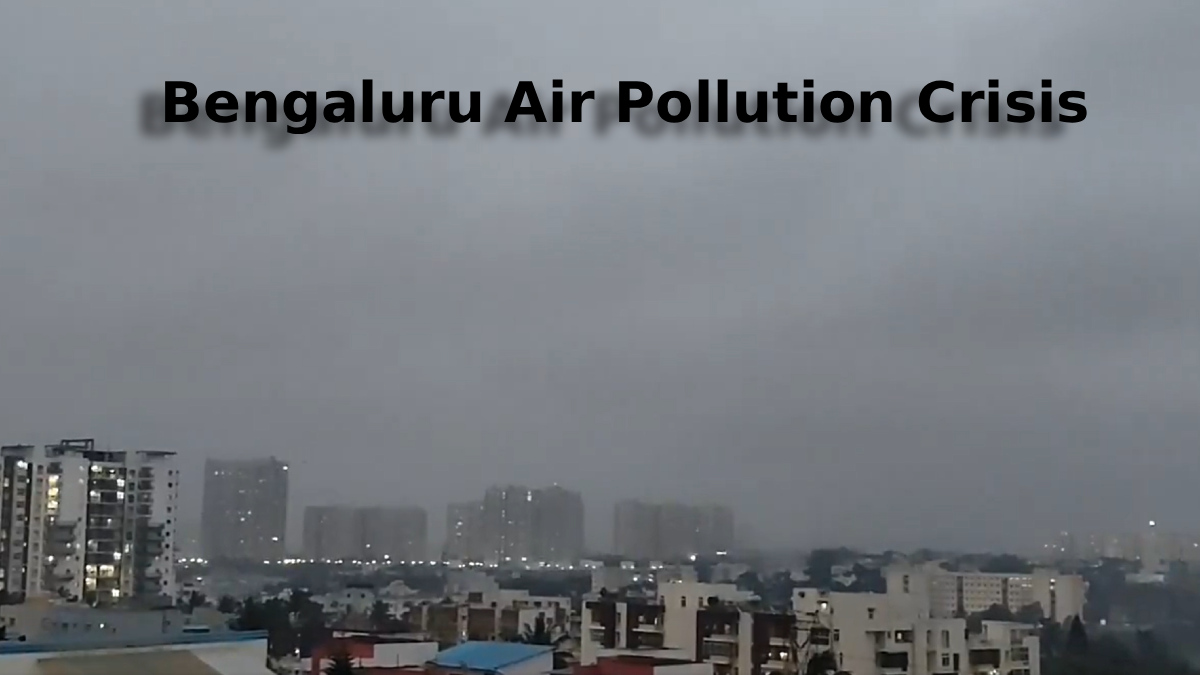
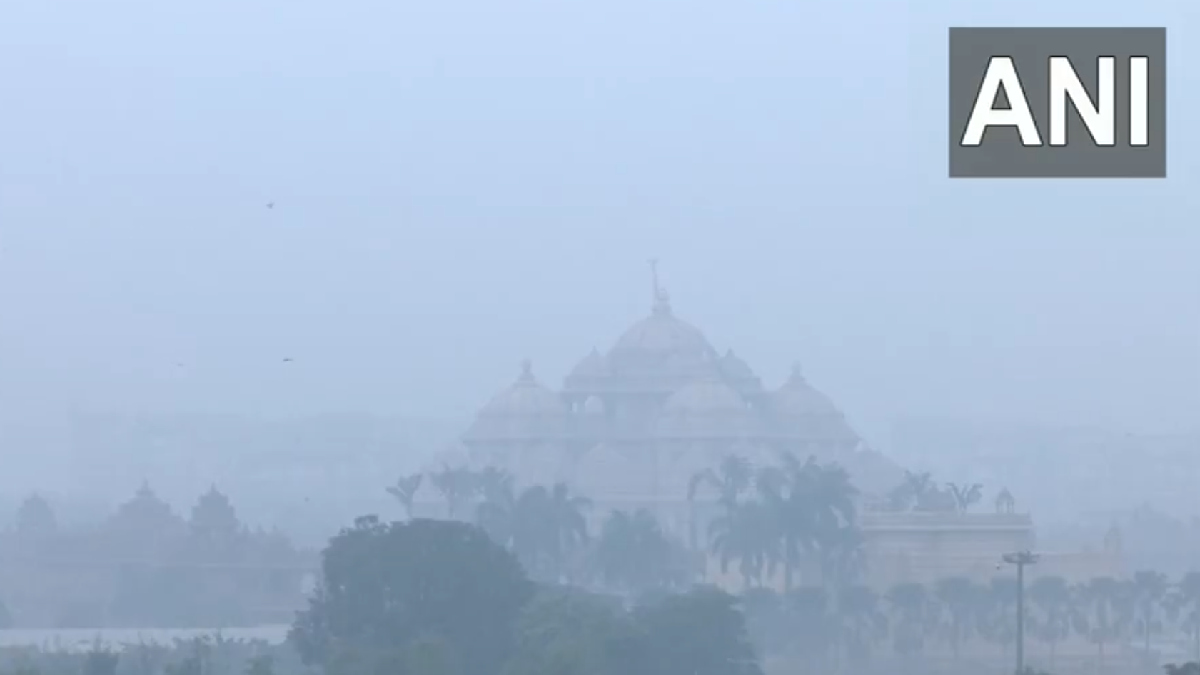
Bengaluru, once celebrated for its pristine "Garden City" air and pleasant climate, is currently facing a severe environmental health crisis. As of December 19, 2025, the Air Quality Index (AQI) in several parts of the city has breached the 170 mark, pushing it deep into the "Unhealthy" category.
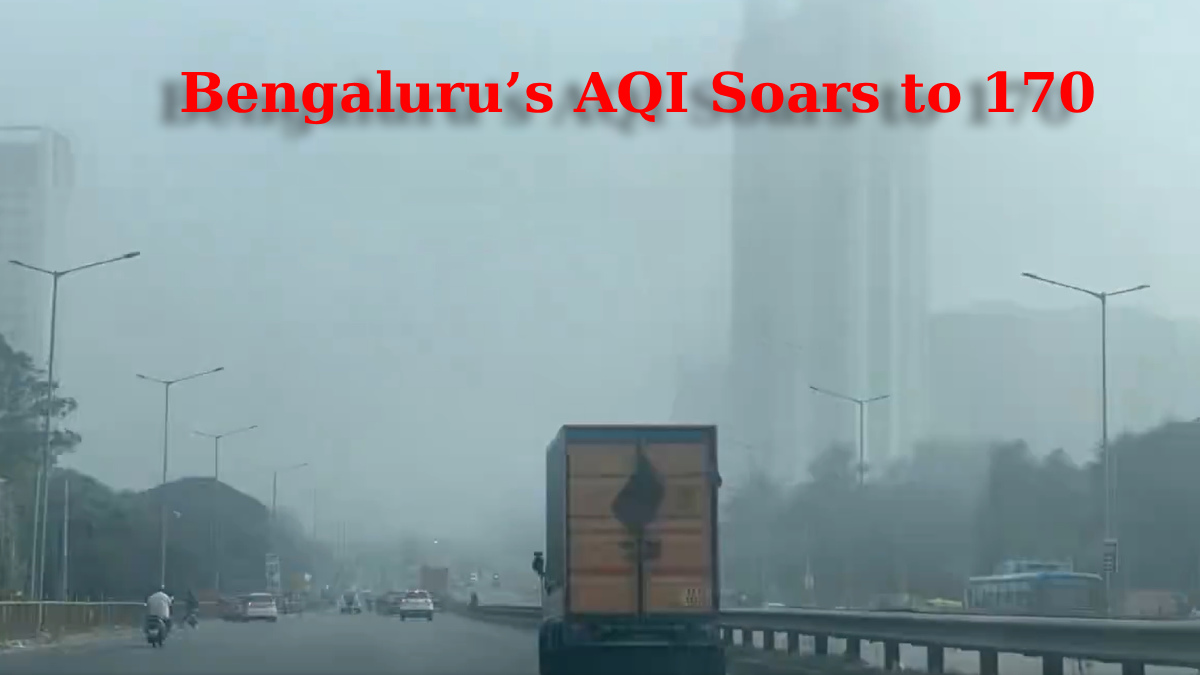
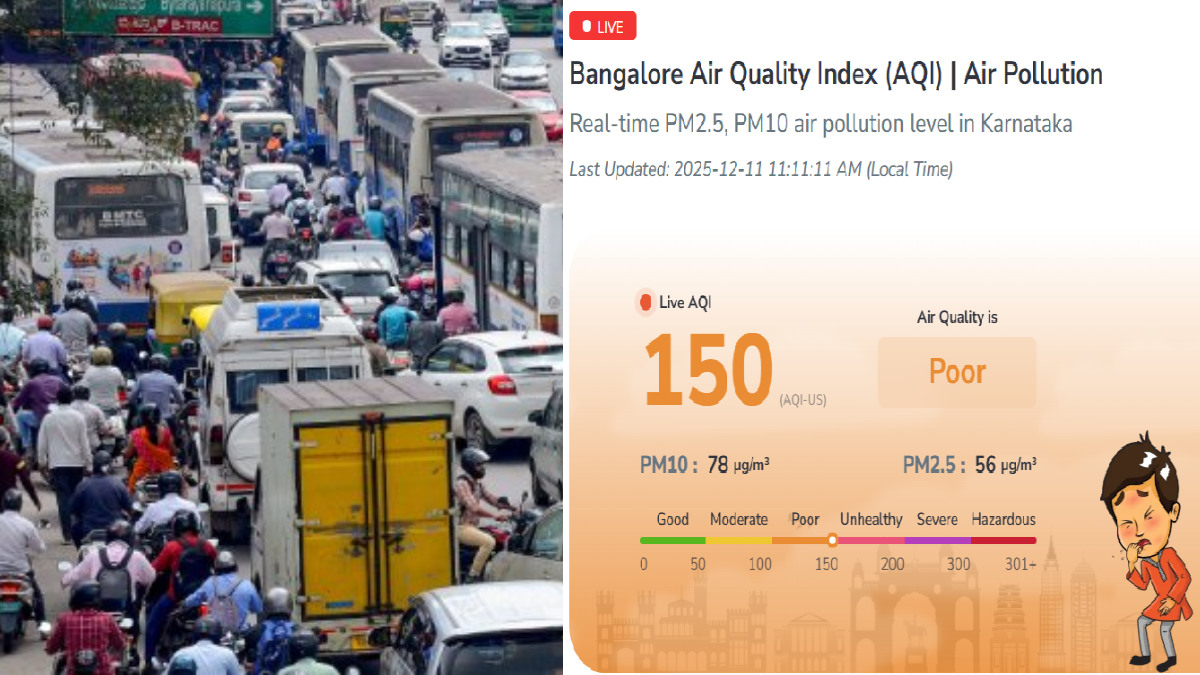
According to real-time air quality dashboards and health researchers, the current pollution level is so high that breathing the city's air for 24 hours is equivalent to smoking approximately 3.2 cigarettes.
The Current Situation: A Rapid Decline
While New Delhi often dominates the headlines for smog, Bengaluru is rapidly catching up. Recent data shows that East Bengaluru, including areas like Whitefield, Mahadevapura, and Bellandur, has recorded AQI peaks as high as 178.
Key Statistics (December 2025):
- Average AQI: 150–175 (Unhealthy)
- Primary Pollutant: PM2.5 (Fine Particulate Matter)
- Health Equivalence: 3.2 cigarettes per day / ~22 cigarettes per week.
- Hotspots: KR Puram, HSR Layout, Bommanahalli, and Brookefield.
Why is Bengaluru Choking?
Environmental experts point to a "perfect storm" of factors contributing to this unprecedented winter smog:
- Explosive Vehicular Growth: With nearly 1.2 crore vehicles now registered in the city, tailpipe emissions from idling traffic are at an all-time high.
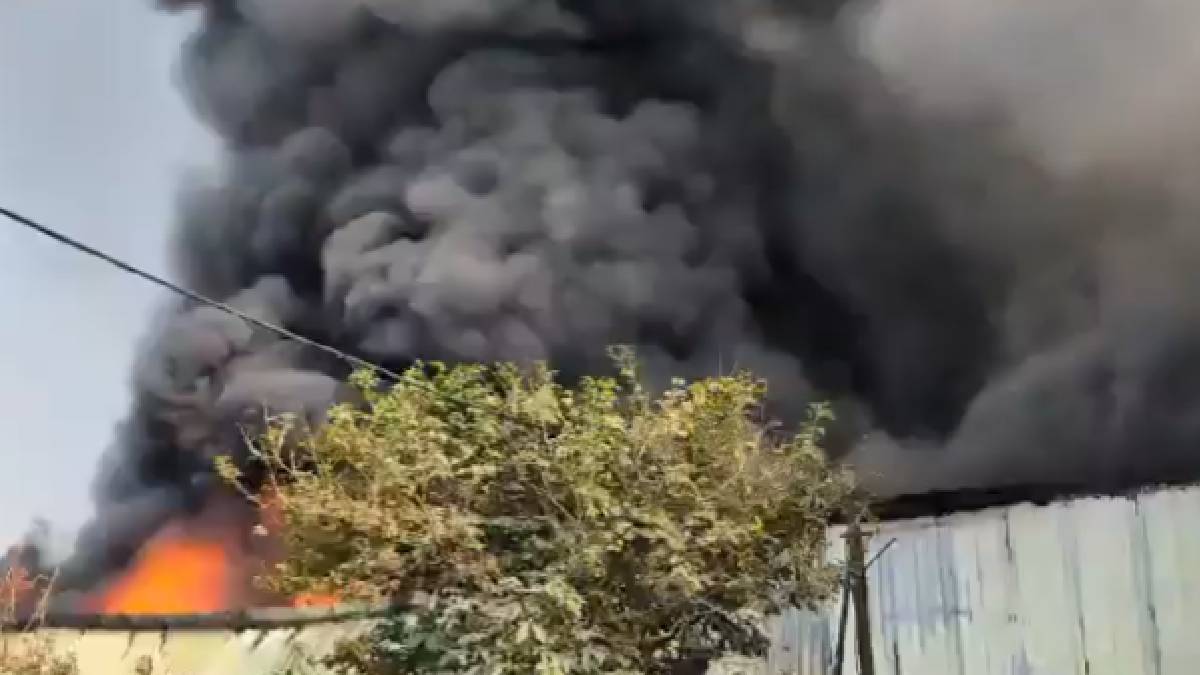
- Illegal Garbage Burning: Residents in the Mahadevapura and East Bengaluru belts have flagged a massive surge in night-time waste burning, which releases toxic dioxins into the air.
- Construction Dust: Unregulated public and private construction projects, including Metro work, have left the city blanketed in fine dust (PM10).
- Winter Inversion: The drop in morning temperatures (around 14°C–17°C) creates a "lid" effect, trapping pollutants close to the ground rather than allowing them to disperse.
Health Risks: The "Invisible Epidemic"
Doctors at major hospitals like St. John’s and Aster RV report a significant spike in patients presenting with respiratory issues.
- Immediate Effects: Bloody phlegm, persistent dry cough, itchy eyes, and increased asthma attacks.
- Long-term Damage: Chronic exposure to PM2.5 at these levels can lead to reduced lung capacity (by 10–15% in children), hypertension, and even premature mortality.
"The AQI of 170 is not just a number; it is a clinical risk. We are seeing healthy non-smokers with lungs that resemble those of long-term smokers," says a local health expert.
Safety Recommendations for Residents
Mask Up: Use N95 masks specifically, as standard surgical masks do not filter out PM2.5 particles.
- Air Purifiers: Use indoor air purifiers, especially in bedrooms during the night.
- Avoid Early Morning Jogs: Stay indoors between 5:00 AM and 8:00 AM when the pollution concentration is highest near the ground.
- Hydration: Drink plenty of water to help your body flush out toxins.