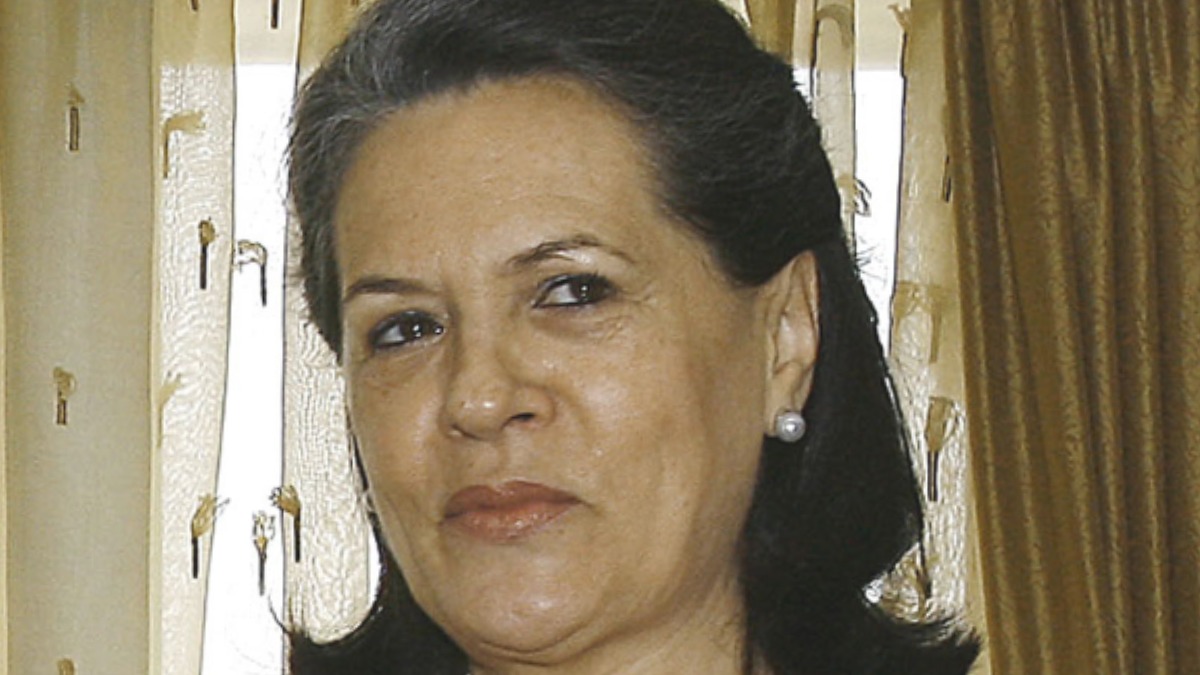
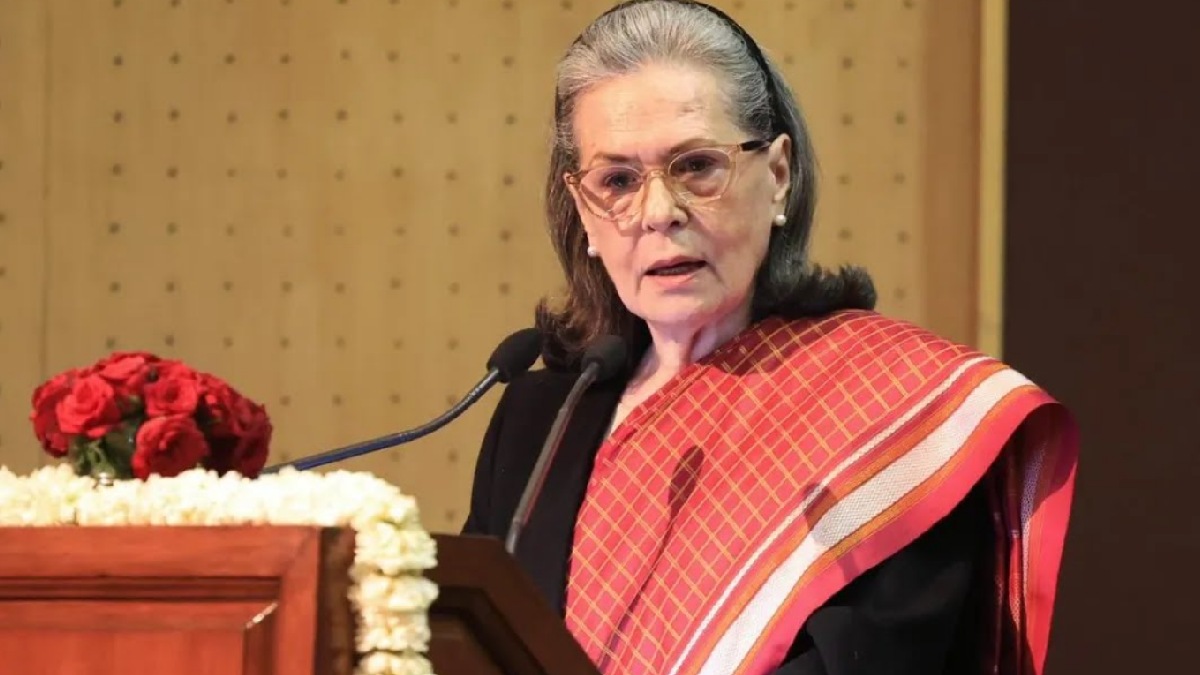
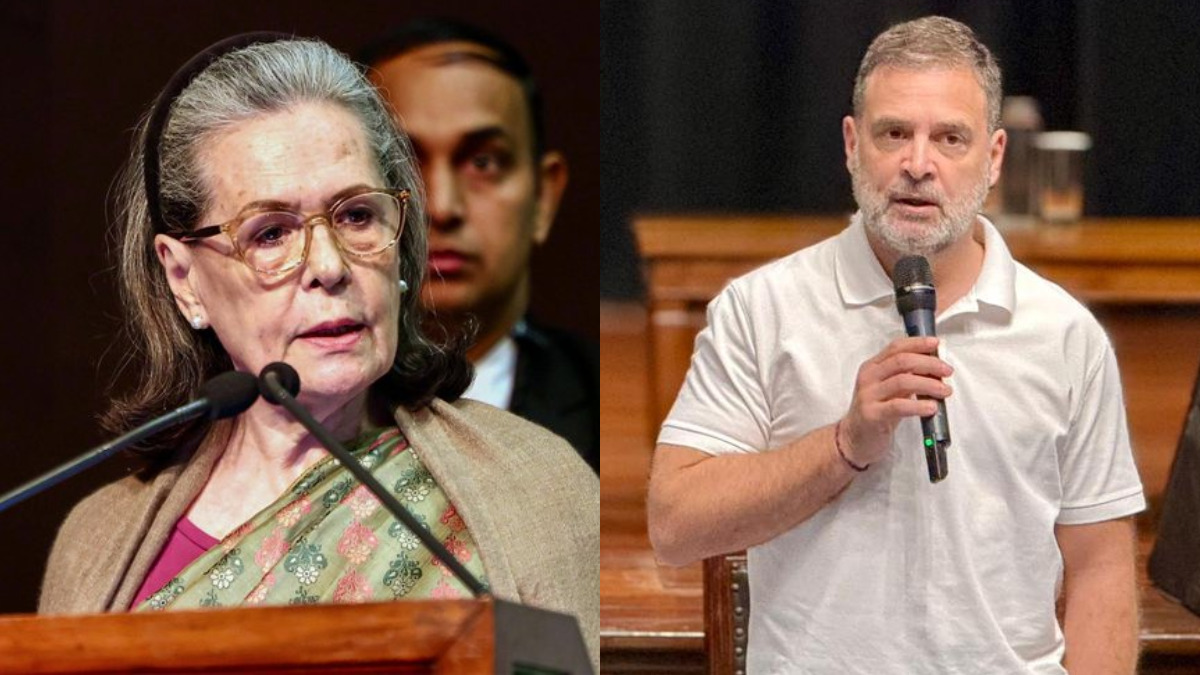
Sonia Gandhi, chairperson of Congress Parliamentary Party, has said history will remember Manmohan Singh as a great leader of integrity, accountability and consequence. She spoke a few days after the Supreme Court’s July 29, 2026 decision which ended a long-standing criminal case which was based on Singh’s alleged coal block allocation scam.
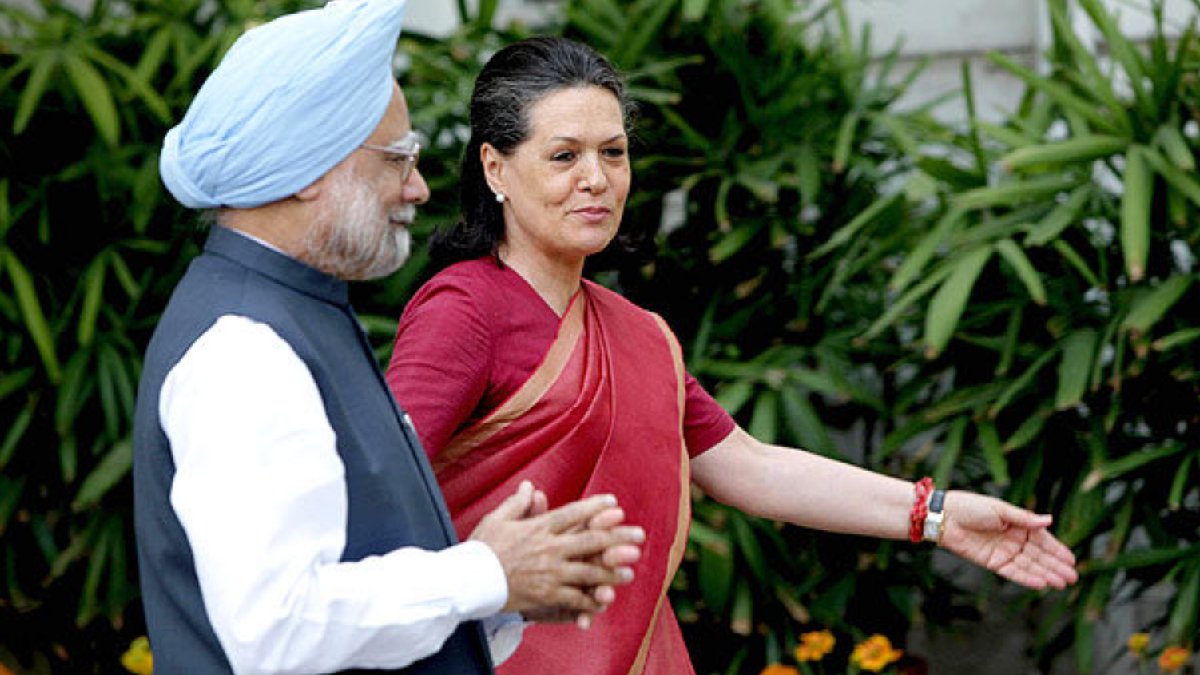
Sonia Gandhi said a while back Singh’s famous comment at his last press conference in January 2014 that history would be kinder to him than the media and opposition parties has taken on new significance now. She said the Supreme Court decision came as the conclusion of a “witch-hunt” against a leader known for his probity and integrity.
The Supreme Court's decision according to Gandhi was a watershed moment in India’s political history. The court closed the criminal proceedings against Singh by revoking a summoning order and endorsing the CBI’s closure report in that matter. Gandhi said that the judgment proved that allegations against Singh over coal allocation controversy had ultimately failed to establish wrongdoing on his part.
Sonia Gandhi also took the opportunity to severely criticise Prime Minister Narendra Modi and BJP. She recalled Modi’s 2017 Rajya Sabha comment on Singh and called it one of the lowest moments in parliamentary history. Gandhi contends that the political attacks on Singh were part of a larger effort to undermine his reputation and divert public attention from the achievements of the United Progressive Alliance government.
She further claimed that investigative agencies like the Enforcement Directorate and the Central Bureau of Investigation have been misused by the Modi government to pressure opposition leaders. Gandhi also claimed politicians who are accused by the BJP can sometimes find themselves treated differently. Her views are in line with the Congress’ long-standing criticism of central investigative agencies which the BJP has repeatedly denied.

Aside from critical criticisms of Singh, Gandhi cited Singh’s profound contribution to India’s development and economic and social success. She pointed out the high economic growth of India during the UPA years and mentioned the Right to Education Act, Mahatma Gandhi National Rural Employment Guarantee Act, National Food Security Act and Forest Rights Act.
Gandhi also credited Singh's government for India's growing global stature. The biggest deal that she mentioned was the India-US civil nuclear agreement. The agreement, signed in Singh’s time, ended India’s long-standing isolation from international civil nuclear cooperation and was hailed by supporters as a major step forward in India’s foreign policy and international standing.
The Congress leader also contrasted Singh’s relationship with Parliament, media and civil society with the current political landscape. Singh regularly faced Parliament and held many unscripted press conferences during his tenure, Gandhi said, and this was not only an indication of institutional accountability in itself but of what she feels has degraded in the current government.
She also referred to student and civil society movements during Singh’s time and said that protests and criticism of the government were made much more visible. Her remarks were framed as a larger argument about democratic freedoms and the space available for dissenting voices in India.
Manmohan Singh, who served as India's prime minister from 2004 to 2014, died on December 27, 2024. A successful economist before he went to power, he had also been the finance minister and was at the heart of India’s 1991 economic liberalisation programme. His tenure as prime minister was one of fast growth in India and public welfare initiatives and institutional reforms but it was tainted with controversies and allegations of corruption in his second term.
The Supreme Court’s role in the coal case has given Congress a chance to revisit Singh’s political legacy. Sonia Gandhi’s statements are about his economic reforms, social welfare policies and personal integrity and not the political controversies that dominated the political discussion in the last years of his government.
Gandhi concluded by noting that Singh was not alive to witness the legal development. She said his absence was deeply felt and described his 2014 prediction about history judging him more favourably as increasingly vindicated.
Her statement is also a broader political message from the Congress seeking to recapture the UPA years and to bring the Modi government’s record on accountability, investigative agencies, dissent and institutional functioning into focus. The remarks are likely to keep the contrasting political legacies of Manmohan Singh and Narendra Modi at the centre of political debate, and party members will continue to discuss the comparison between the two governments’ legacy.
For Congress, the Supreme Court’s decision is an opportunity to argue that Singh’s reputation survived years of political attacks and that his contributions to India’s economy and social policy deserve greater recognition. But the UPA government’s overall record is still being criticized by the BJP.
Sonia Gandhi’s message was simple: The former prime minister’s legacy should not be defined only by the controversies surrounding his government. Rather, she said, Singh should be remembered for being a quiet, understated leader who drove the development of India’s economic, political and social life.