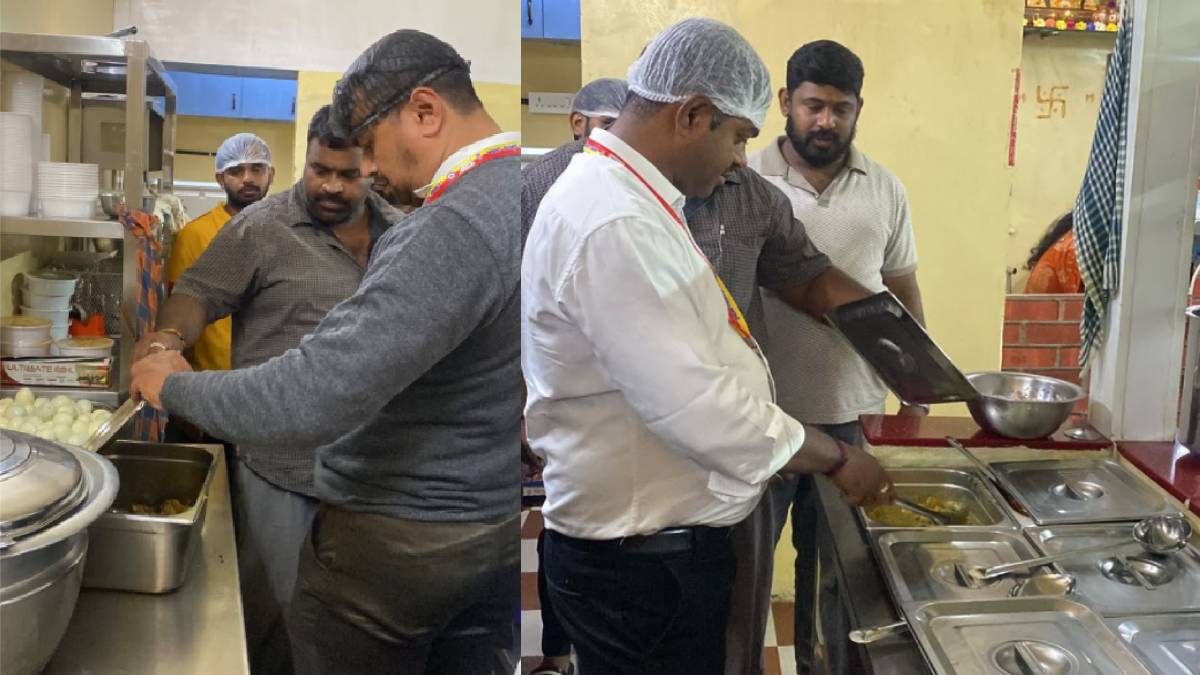
The safety inspection drive in Bengaluru has discovered unsafe cooking oil in more than 40 food establishments, raising fears about public health and food quality in all areas of the city.
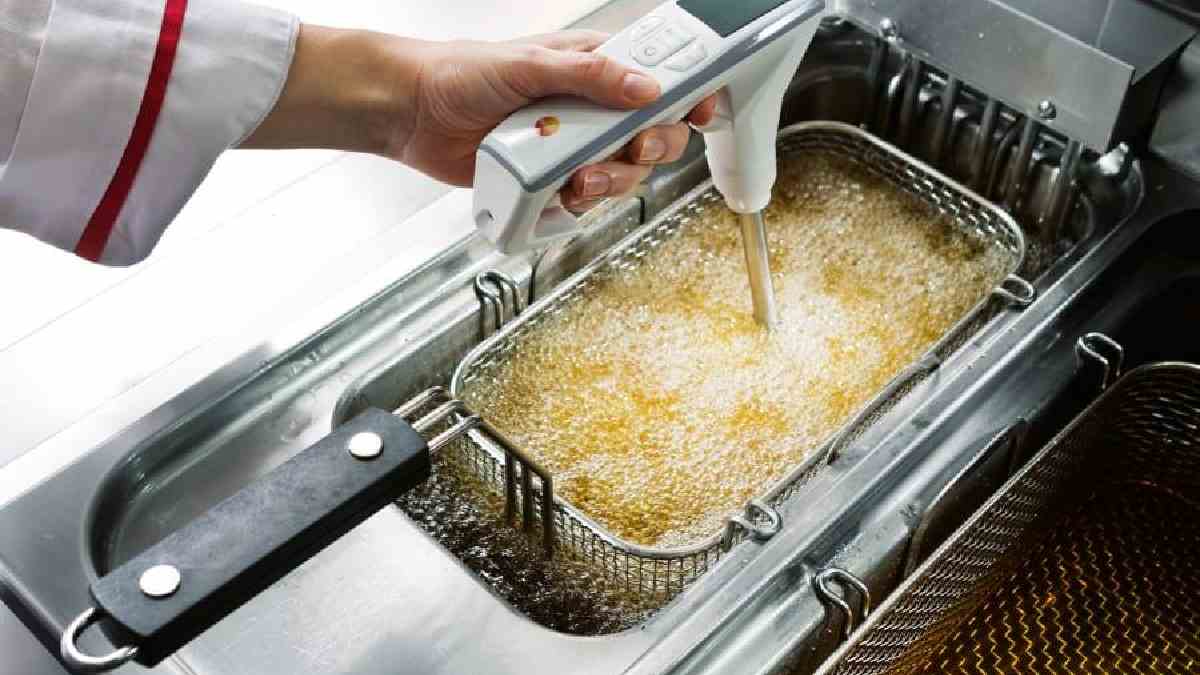
The Food Safety Department conducted inspections at hotels, restaurants, pubs, bars, clubs and roadside food stalls and collected samples of used cooking oil for laboratory testing. The results revealed that many establishments were using oil containing trans fat levels beyond the prescribed safety limits for consumption.
Laboratory Tests Reveal Safety Violations
The city officials collected cooking oil samples from numerous food businesses as part of a citywide quality monitoring exercise.
More than 40 establishments failed to meet the required food safety requirements, laboratory analysis revealed. The department said repeated cooking oil use increased trans fats from the food chain to a point that no food safety protocol was in place to control them.
If cooking oil is reused so much, it can cause toxic compounds, and the risk of serious health problems is very high.
₹28.91 Lakh in Penalties
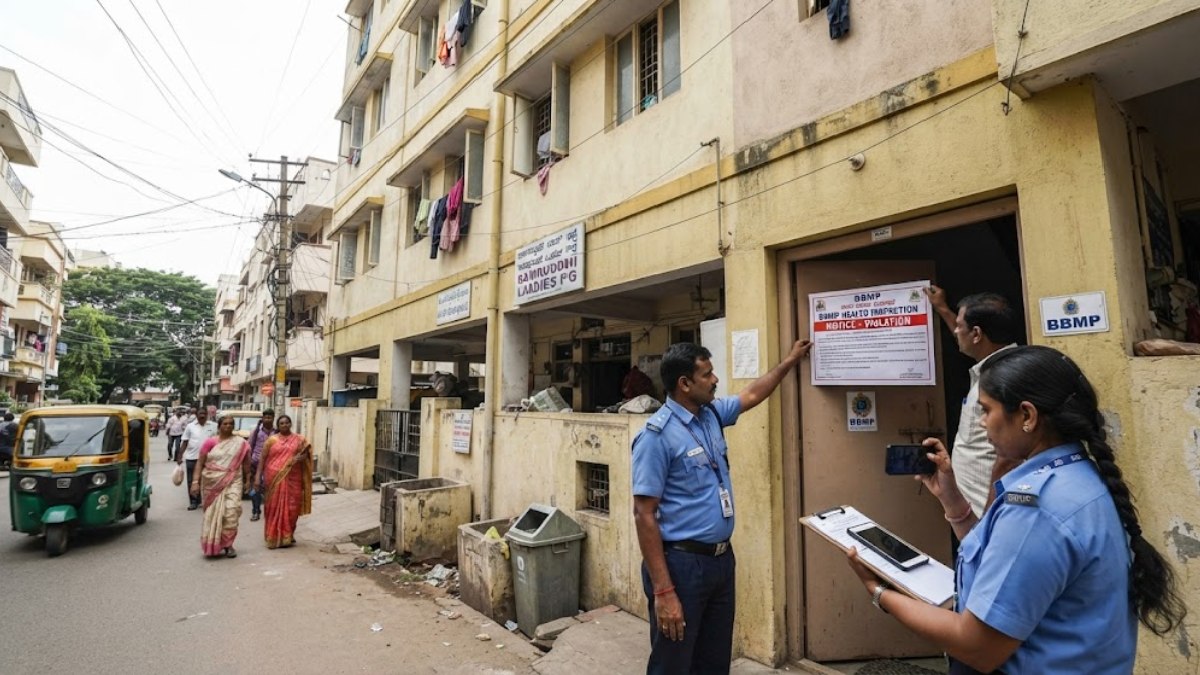
The Food Safety Department issued notices to the establishments found violating food safety regulations following the laboratory findings.
They imposed fines totaling ₹28.91 lakh against the violators for violating the food safety standards.
According to officials, businesses have also been instructed to improve their cooking practices and comply with existing regulations.
Why Trans Fat is Dangerous?
Health experts have warned against eating food made from bad or hot cooking oil and cooked over and over again.
High levels of trans fat are associated with:
- Higher risk of heart disease.
- High cholesterol levels.
- Stroke and cardiovascular complications.
- Obesity and metabolic disorders.
- Long-term health complications.
And repetitive heating of edible oil also diminishes nutritional value and produces volatile chemical compounds that are carcinogenic to health and may pose more harm.
Stricter Rules Being Prepared
The Food Safety Department is working on tighter guidelines for commercial food establishments regarding the use and reuse of cooking oil.
The measures are expected to include:
- Limits on the number of times cooking oil can be reused.
- Regular monitoring of oil quality.
- More frequent inspections of hotels and restaurants.
- Better food business operators’ awareness.
- More severe penalties for repeat offenders.
The food hygiene standards should be improved and consumers protected from preventable health hazards.
Public Advised to be Cautious
The government has advised restaurant owners and food vendors to strictly adhere to the food safety standards and replace cooking oil before it becomes unsafe.
Consumers are also encouraged to report suspected hygiene violations or poor food quality to the Food Safety Department so that prompt action can be taken.
This inspection drive is an example of government commitment to food safety as well as food businesses’ commitment to uphold high standards of hygiene and consumer safety.