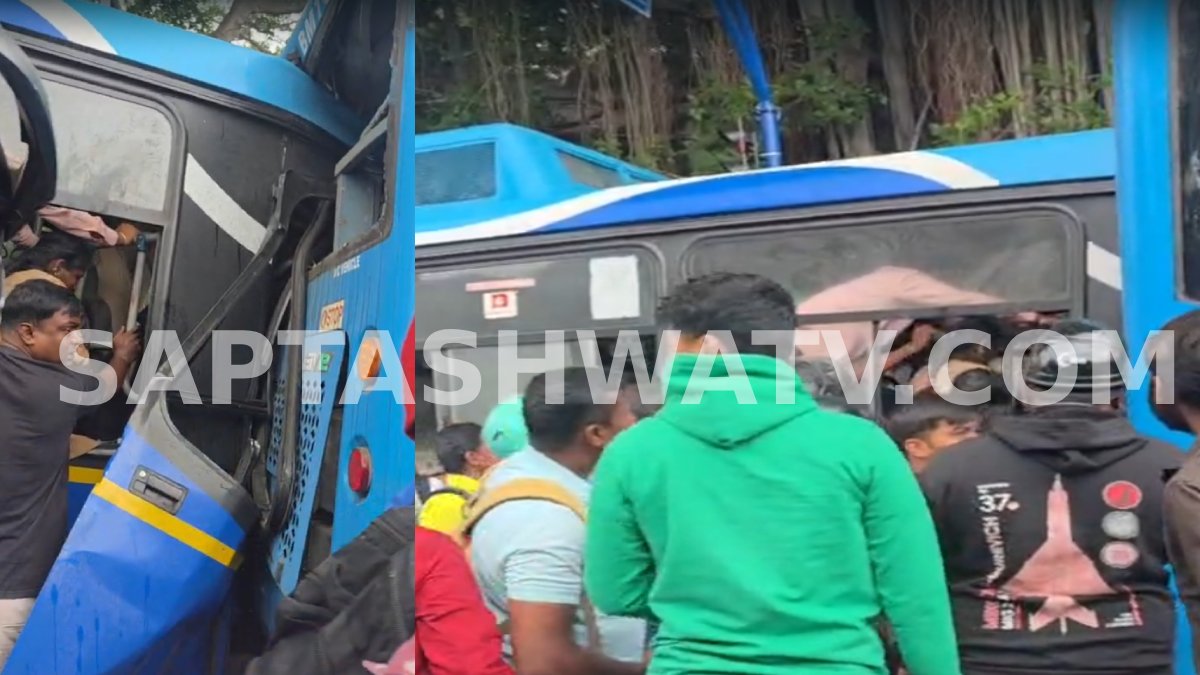
As hot weather is well known to many in Bengaluru, air-conditioned transport became a trendy choice, which in turn accelerated demand for the AC buses operated by the Bangalore Metropolitan Transport Corporation.
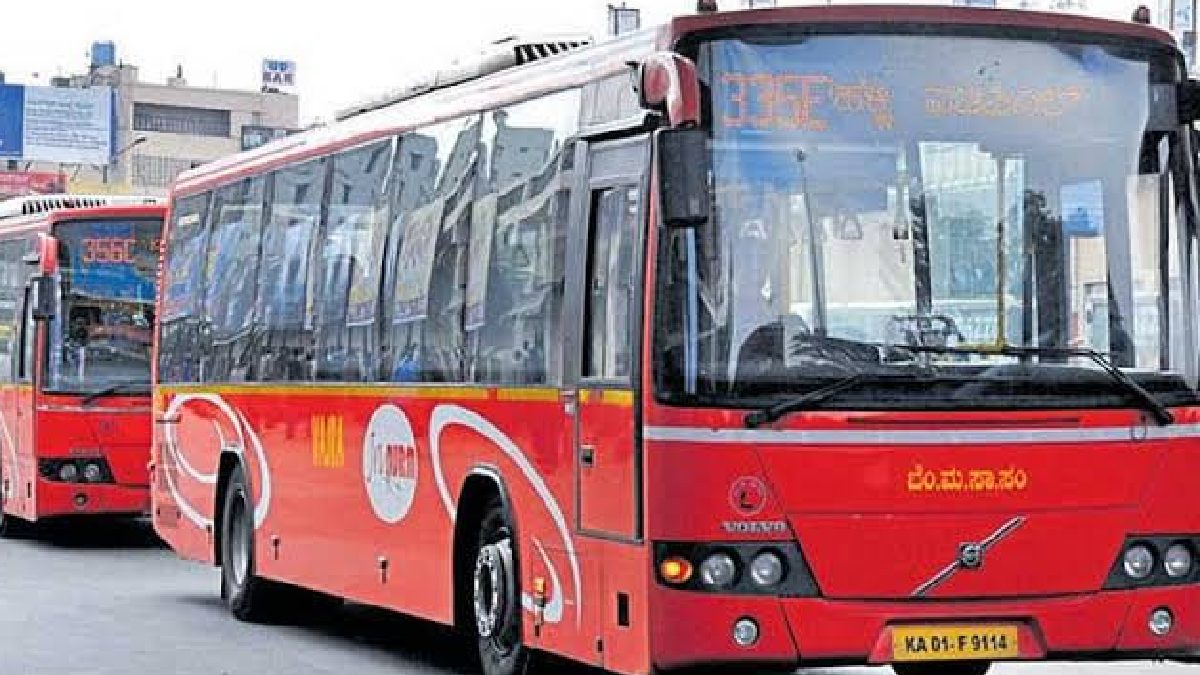
The summer’s heat is altering commute, and BMTC’s revenue and operational performance skyrockets. It is a mini heatwave: an extreme heat in town, feeling important to the daily commuters reaching their destination. Thus, many people in Bangalore today use bus service with AC to remove themselves from the urban living situation and live a normal life that no longer suffices.
BMTC has approximately 535 AC buses for the diesel/electric route in Bengaluru. They serve as navigators through key sections of the urban areas where people, companies, IT services and commerce converge and generally on the same road. We've found from the updated operating information that it's clear they're becoming more reliant on these services overall.
AC buses at BMTC covered a total of about 35,86,301 kilometres in February. But in March, when temperatures rose, the distance travelled increased to 38,96,215 kilometers nearly 4 lakh kilometres more in a month. This sudden rise shows the influence of the city on public transport, utilising weather is an example.
This has also affected the financial aspect of it. In February, BMTC’s revenue came in at ₹20 crore for AC bus usage. On March, the number soared to approximately ₹22.5 crore, amounting to a ₹2.5 crore increase a month later. This increase in earnings mirrors the increased comfort-conscious commuting people are performing under extreme weather conditions.

The numbers have risen, the officials say, not only due to a more robust weather and more frequent service, but also due to a successful year of route planning. And today, there are electric AC buses that supplement it with quieter, greener modes of transportation. Air carriers also hike prices of some transport, which commuters will appreciate, to ensure that if you have an office and student timetable, then they believe that an AC bus will be a better way to get around. But a lot of people also started taking these buses regularly in the peak summer months, so commuting was a concept that could stick.
BMTC is allowed to increase its AC bus fleet/services. Due to booming summers, sometimes too hot and irregular climate conditions, there will be a huge demand for climate-controlled public transport. However, challenges remain. BMTC, whether or not it will take advantage of market service needs, is a dependent factor. Besides continuing provision of services, fleet efficiency levels and operational cost control have to be optimised.
In addition, extending service in some of these areas that are currently not served could bring in more people as well. The AC bus service expansion in Bengaluru in large-scale terms, displays more than one good and bad side of comfort-oriented bus service. With more high-density metropolitan areas facing heat and traffic jams, the services of these and similar kinds could define the future of urban mobility while boosting BMTC’s bottom line.