A serious road accident of a 32-year-old Bengaluru interior designer, Sani Krishna, has stoked concerns about passenger safety, medical expenses and the responsibilities of app-based bike taxi platforms.
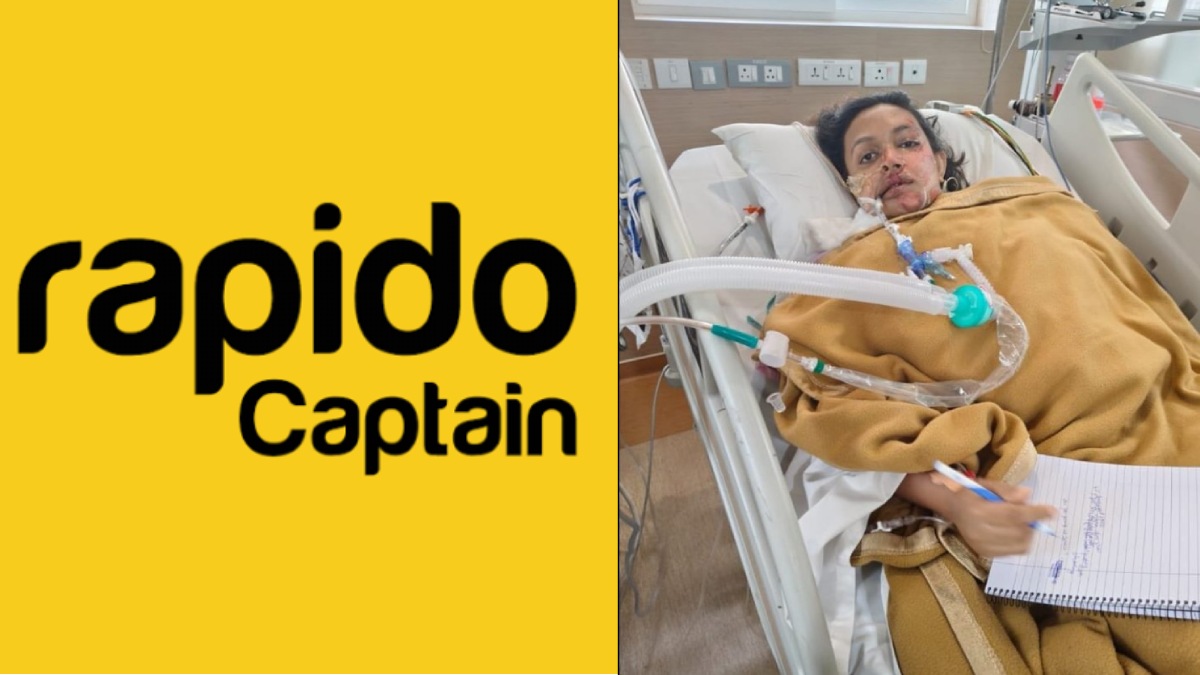
Krishna was seriously injured when the Rapido bike she was travelling on was involved in an accident on June 17. Her medical treatment has cost more than ₹20 lakh, making her demand that the company shoulder all the responsibility for her past and future medical expenses.
According to the details shared about the incident, Krishna had booked a Rapido bike on June 17. During the ride, the rider attempted to overtake a tractor. The manoeuvre was reported to have failed because the motorcycle lost balance. Krishna fell on the road and was subsequently run over by the tractor.
The accident left her with multiple serious injuries. She suffered seven broken ribs and the treatment she received was emergency medical and surgery was ordered to remove her spleen. She also had plastic surgery on her face. The extent of her injuries meant that her treatment involved a lot of medical intervention and she could be estimated to have spent over ₹20 lakh.
Krishna and her family have already found the financial impact of the accident to be very heavy and that's just a different kind of trauma for them. Serious road accidents can result in long-term hospitalisation, surgeries, follow-up visits, medication, rehabilitation and other costs. In severe cases, the financial burden can go beyond the initial hospitalisation.
Krishna has now sent a legal notice to Rapido seeking 100 per cent responsibility for the accident-related expenses. Her request includes reimbursement for medical bills already incurred as well as coverage for future treatment that might be required as she continues her recovery.
The case has raised questions about liability and insurance in app-based bike taxi services. The ride is becoming a more affordable and convenient way of urban transportation to get around: two-wheelers booked through digital platforms are the norm. But when you get into a serious accident, questions about insurance, compensation and liability can be more complex.
Rapido, in addition, has said it has been in contact with Krishna's family and has offered insurance coverage of ₹1 lakh. The significant difference between the reported medical expenses and the insurance amount has become a central point of concern in the dispute.
If medical costs have already crossed ₹20 lakh, an insurance offer of ₹1 lakh would cover only a small portion of the costs. This understandably has raised doubts about whether insurance covers passengers in serious accidents.
This incident also underscores the larger road safety need for two-wheeler passengers. Unlike people in cars, bike passengers have far less physical protection in the case of a collision. An abrupt loss of balance, an unsafe overtaking manoeuvre or a collision with a vehicle can be life-threatening.
Overtaking is a routine part of road travel in India, especially on busy Indian roads where traffic can change quickly. But overtaking near large vehicles like tractors and trucks can be particularly dangerous due to limited visibility, differences in vehicle size or unexpected movement. Riders should carefully assess road conditions before attempting such manoeuvres.
For passengers, there is often little control over how a hired driver operates a vehicle. When one books a bike taxi, the rider is the one who will make the decision and he or she will have the experience, judgement and compliance with the rules of the road. So driver training, safety standards and platform accountability are key aspects of the conversation around app-based mobility services.
Krishna's case might get more attention beyond the issues of individual dispute. It raises questions about what financial security passengers need when using app-based transportation services and whether insurance coverage should be sufficient to cover serious injuries.
Medical expenses are especially important. A major accident can result in costs beyond surgery and hospitalisation. Follow-up treatment, diagnostic tests, specialist consultations, medicines, physiotherapy, reconstructive procedures and time away from work can all add to the financial impact.
In Krishna's case, the seven broken ribs, emergency spleen surgery and facial plastic surgery indicate that her recovery could require continued medical attention. So the demand for coverage for future expenses is indicative of concern about whether or not there is more treatment to be received.
The legal notice is also an important step as it formally communicates Krishna's claims and demands to the company. The exact legal responsibilities of the parties involved would depend on the circumstances of the accident, applicable laws, insurance terms, platform arrangements and evidence gathered regarding the incident. Any final determination of liability would have to be made through the appropriate legal or settlement process.
The accident is a reminder to passengers to take care of the insurance and safety aspects of transportation services in order to use them. When we book a ride, there’s usually only fare, convenience and availability, and insurance protection will be important if something goes wrong.
For ride-hailing companies, serious passenger injuries can also raise questions about how safety policies are implemented. Platforms could be working with independent drivers or riders and therefore need to provide clarity on driving behaviour, training for drivers, documentation, insurance, and passenger protection.
At the heart of the Bengaluru case is a young professional whose daily activities turned into a life-changing accident. Krishna’s case indicates that the impact of regular commuting can have life-changing physical, emotional and financial impact as quickly as a routine commute.
The reported ₹20 lakh-plus medical bill is a key aspect of the case. For many families, an unexpected expense of such magnitude can lead to very high financial strain, especially when treatment continues for months. Debt and financial difficulty for Krishna in the future mean that she needs to get paid for it.
At the same time, allegations and demands need to be distinguished from facts that may be established by an investigation or legal process. The circumstances of the overtaking manoeuvre, the cause of the crash, the role of the rider and the terms of any applicable insurance policy will all be relevant to the liability determination.
The case could eventually be a central issue in discussions about Bengaluru’s rapidly transforming urban mobility ecosystem. As bike taxis and other app-based transportation options become a part of our daily lives and people become more and more comfortable and less expensive in their daily lives, passengers will expect not only convenience but also protection from accidents.
Dear @RapidoApp_,
— Nalini Unagar (@NalinisKitchen) August 13, 2026
This is Sani Krishna, a 32 year old Bengaluru interior designer, booked a Rapido bike on June 17.
- Rider allegedly tried to overtake a tractor.
- The bike lost balance
- Krishna fell on the road and was run over by the tractor.
- She suffered 7 fractured ribs… pic.twitter.com/A1mMG6BuUw
So for now, Sani Krishna's case is still a case of recovery and her desire for financial support. Her medical costs of more than ₹20 lakh are in sharp contrast to the ₹1 lakh insurance offered by Rapido. And whether the company will pay more of her treatment costs will depend on negotiations, insurance provisions and the legal process. The incident is in fact just another example that road safety is not separate from passengers’ safety.
Riding an app-based bike is not simply a matter of getting to a destination quickly; it is also about ensuring that drivers follow safe practices and that passengers have meaningful financial protection if a serious accident occurs.