Some of the most prominent schools in Bengaluru have begun banning on-campus food deliveries from online platforms like Swiggy and Zomato, in a strong effort to protect students’ health and maintain campus security and student discipline.
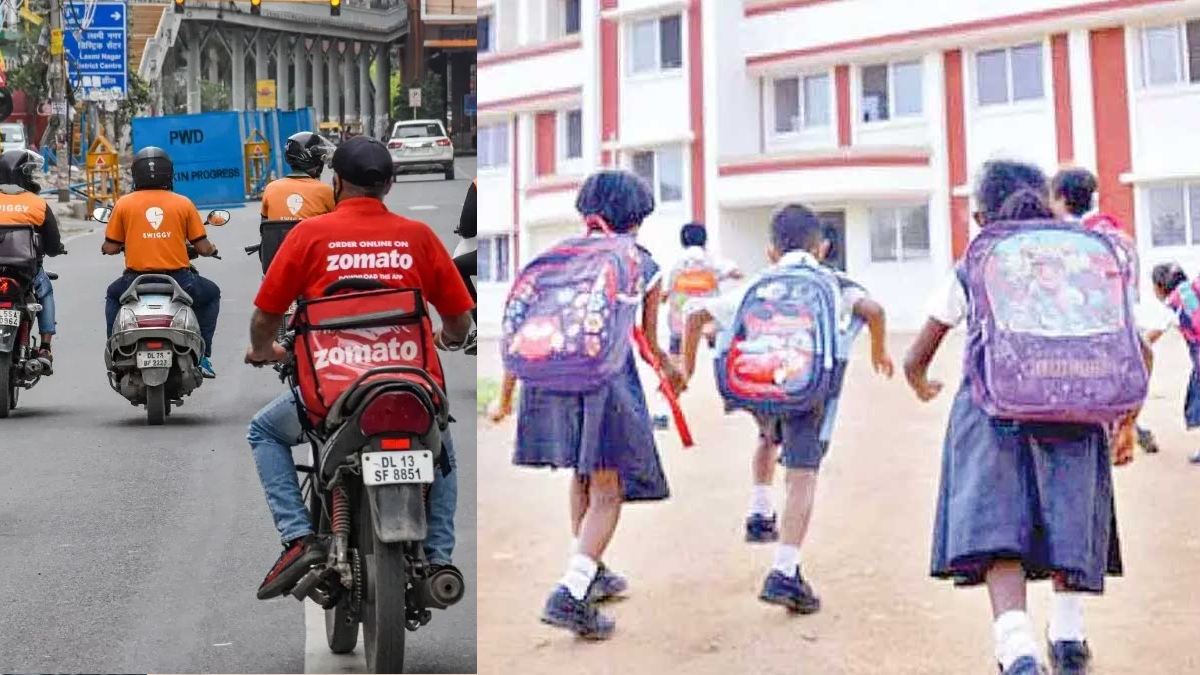
The decision comes as school districts across the country are increasingly concerned about the increasing number of students ordering food online during school hours. Food delivery executives from popular online platforms have increasingly been seen outside several educational institutions in Bengaluru in recent years, delivering pizzas, burgers, fried snacks, and other fast-food items to students.
School authorities say the initiative is to encourage healthier eating habits for children and to prevent them from consuming processed and junk food. The food items ordered via online delivery apps, they say, are high in oil, salt, sugar, and preservatives and can cause health issues in children if they’re frequently consumed.
The issue received attention recently after a school in Banashankari issued a circular to parents advising them not to arrange online food deliveries for their children during school hours. The school has established guidelines that prohibit students from ordering food through delivery apps while on campus. Many other reputed schools in Bengaluru are considering or implementing the same policy.
School management has said that the decision is not only about food preferences but also to foster a fair and equitable learning environment. In some cases, when some students are offered premium food items (pizzas, burgers, desserts, branded drinks), they will get attracted and socialise in a way that the rest of the class may not.

The students who delivered home-cooked food sometimes felt uncomfortable or left out when they saw other students receive restaurant-style food deliveries, schools have found. Educational professionals think that it can lead to feelings of inequality, peer pressure, and unhealthy lifestyle choices among children.
In addition to health concerns, security considerations also played a big part in the decision. Schools are responsible for ensuring the safety of students on campus. Frequent entry and exit of delivery personnel or coordination of external deliveries leads to issues with logistics and security. Food delivery restrictions help schools better control campus access and keep campus environments safe.
Parents have mixed opinions about the move. Some are happy that home-cooked meals are healthier and more nutritious, while others say occasional food deliveries can be convenient, especially when students don’t take lunch. But more and more parents seem to be in support of the schools’ push to allow for a better diet for children.
Nutritionists have also backed the move, as childhood obesity, poor eating habits, and over-consumption of processed foods are increasing in urban areas. Encouraging students to eat well at home is good for them long-term and good for their health.
If more schools take similar measures, Bengaluru could see a bigger shift towards healthier lifestyles and stricter campus regulations. Schools need to do so as students get into school discipline, equality, and disciplined behaviour in school communities will be reinforced by the restrictions, leading to a better future for everyone in the community with better physical health and a better school environment.