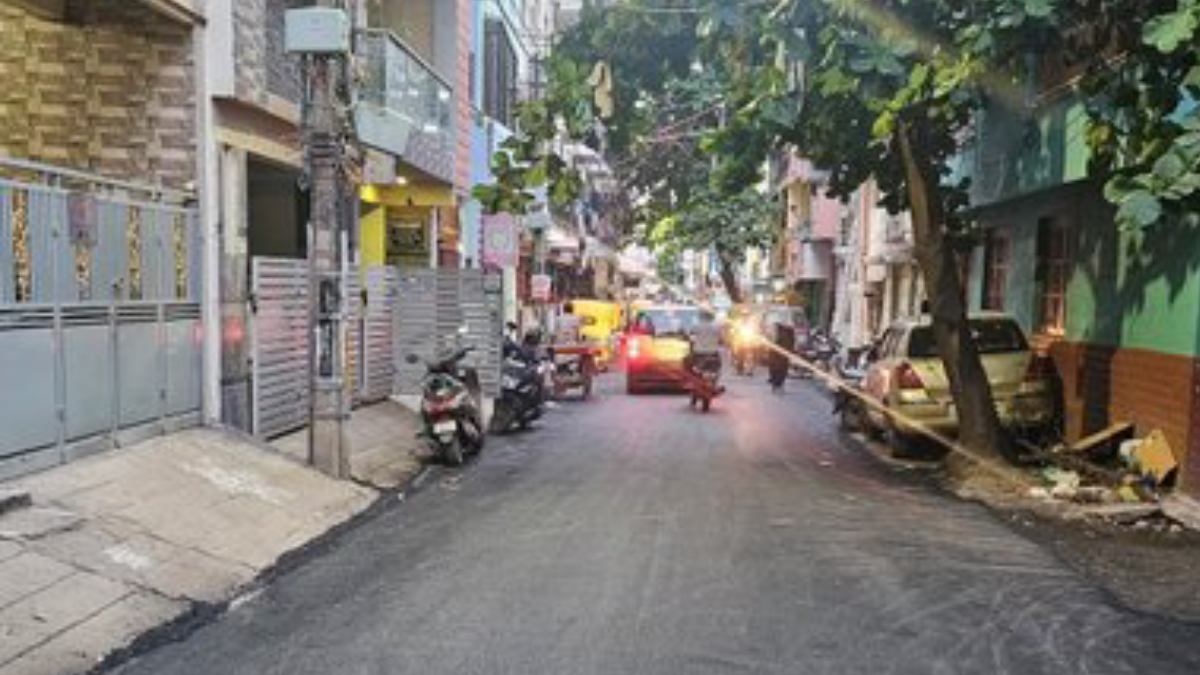
In a city called the "Startup Capital of India," a world of business ideas that might bloom over a coffee from a filter, one particular local eatery has rocked the remote-working community like a ton of bricks. A viral image of a notice posted at a popular Bengaluru café has shed light on a policy that has become hard to ignore: “No meetings allowed.”
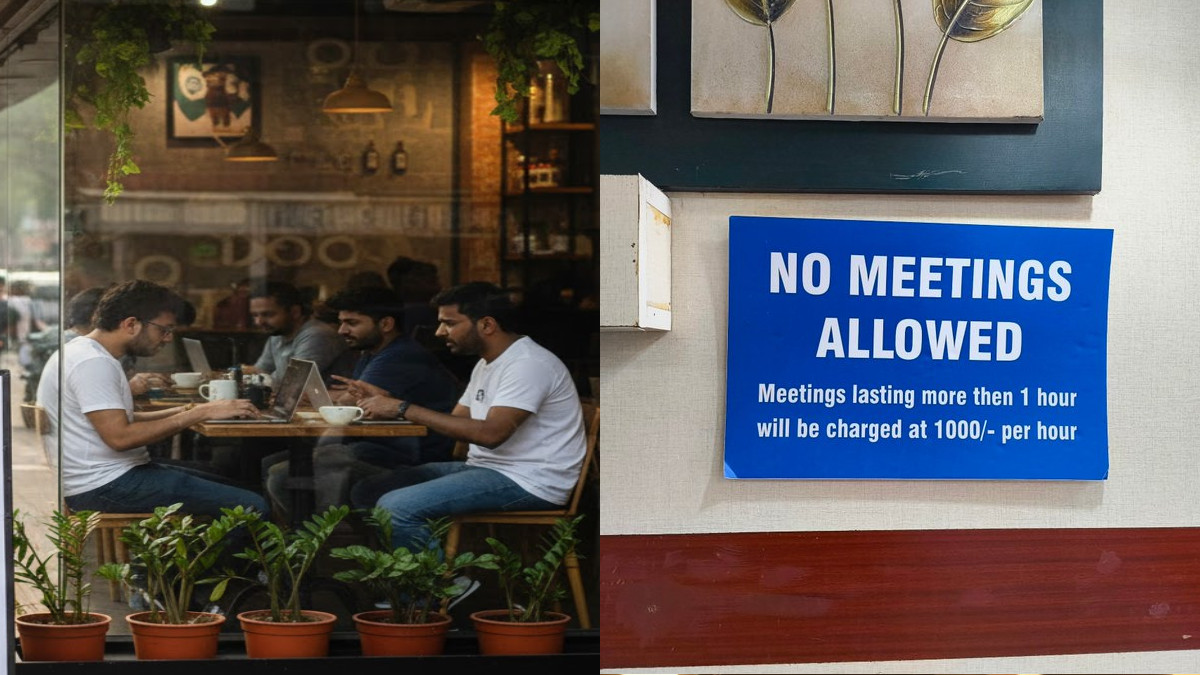
And the notice also goes on to say that any meeting or laptop work that lasts more than an hour will incur a crippling ₹1,000 for every hour, as either a service charge or penalty. That move is geared to taking seating space back from the “work from cafes,” and to ease the increasing tension between old-time cafe diners and the “Work from Cafe” (WFC) crowd.
The "Co-Working" Conflict
The cafe owner expresses frustration over a familiar pattern he associates with cities – people sitting at a table for 3 to 4 hours, ordering only one beverage. This has become something of a logistical nightmare for small eateries with limited seating. “Cafes are businesses meant for dining, not free co-working spaces,” it is said the management said.
Long-stayers are unable to secure a corner space for new customers so can maintain their place of seating for hours, potentially creating major revenue losses. The owner said that with rents increasing as well as upkeep costs rising in some of the prime spots in Bengaluru, as well as having space at no cost to all the guests, each seat must be a part of the turnover of the business.
A Fractured Community: Practicality vs. Culture. The viral post, which went viral with over 30,000 views in within a few hours, has ignited a fierce debate on social media.

Owners: Multiple users supported the cafe, arguing that it is unfair for a business to incur the costs of having to invest for hours on a ₹100 coffee cost including an electrical charge for Wi-Fi for hours. "If you want an office, rent a desk,” one commenter said. "Don't exploit a small eatery."
Critics’ View In this light
Conversely, some residents noted, Bengaluru’s culture is derived from informal cafe meetings. “Many startups were born in these very cafes. If homes are small and offices are far, where else should we go?” questioned one user. Others thought the ₹1,000 fine was "excessive" and customer unfriendly.
saw this notice posted at an eatery in BLR pic.twitter.com/nnEpjPjRjg
— Shobhit Bakliwal (@shobhitic) January 25, 2026
The Legal Perspective
A cafe or restaurant is considered private property in law. Owners have the right to design their own policies regarding how long a customer stays in their establishment or for non-dining activities. Though the “service charge” label may rub some consumer forums the wrong way, a “minimum billing” or “hourly rental” of meetings are within the owner’s power as long as it is properly laid in the documentation.
This incident is a milestone in the changing business landscape of Bengaluru. And with the divide between public places to have fun and private office facilities becoming blurrier and blurrier, the more establishments choose to delineate these lines and protect the bottom lines more and more will follow suit.