A game changer for wildlife conservation and tourism, four cheetahs arrived from South Africa and landed in Bengaluru and will be relocated to the Bannerghatta Biological Park. The big cats had arrived at Kempegowda International Airport and been picked up by Karnataka’s Forest, Ecology and Environment Minister Eshwar B Khandre.
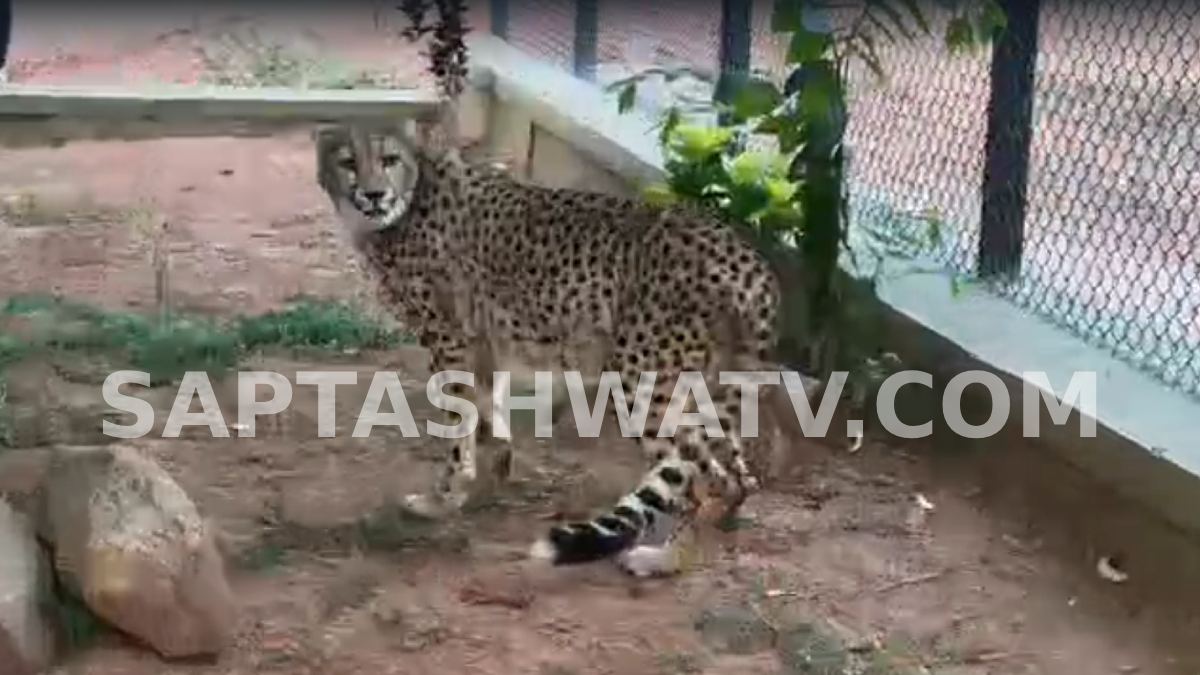
After travelling from Kalaburagi through Hyderabad, the minister personally mediated the entry process, demonstrating the importance accorded by the state government to this project. The cheetahs, locally referred to as “Shivangi,” are considered a boon to the state’s efforts to preserve wildlife.
The animals were then transported to the cargo section at the airport upon arrival, where the authorities effectively kept everything strictly in place, he said. The cheetahs will then be taken safely to Bannerghatta Biological Park with a close surveillance system in place. The animals have been given special care; adapting to life in a new environment is difficult, officials said.
Those officials said the cheetahs would be subjected to strict quarantine for at least 30 days. For this period, the health, behaviour, and acclimatisation to the local climate will be observed by veterinary teams. Since the animals are taken from a different continent and are transported, it is important to protect them during the transition period.
Veterinarians at the Forest Department are instructed to offer the animals a controlled diet according to their respective requirements and carry out the appropriate health checks to confirm that there are no infectious diseases. Further observations would give experts a chance to see if the cheetahs adapted well to Bengaluru’s weather and habitat. Cheetahs are of such historical importance to Karnataka, which Minister Eshwar B Khandre also highlighted.

At the same time, he noted, such magnificent beasts used to wander through the woods, but exist nowhere in the wild in the state anymore. Bringing them into zoological parks has long been aimed at reintroducing human beings to species that became part of the local ecosystem.
Officials such as Member Secretary of Karnataka Zoo Authority, Sunil Panwar, were ordered to put the safety and well-being of the animals above everything else. "For wildlife observation and even education, it is crucial not only in nature but that the standards are always very high," the minister underscored.
One of the reasons for this will be the cheetahs, which can enhance tourism for Bannerghatta Biological Park--a site of great interest to wildlife enthusiasts. It also aligns with the wider conservation mission of conserving biodiversity and educating people about endangered species.
Wildlife conservationists believe projects of this kind would play a crucial role in educating people about conservation and in enabling global conservation of imperilled species, too. But they also contend that long-range planning, habitat management and responsible handling of animals come into play. With the arrival of new “foreign guests” in Bengaluru, all eyes will turn to how well the cheetahs can adapt to their new environment. Done correctly, this might serve as a model for wildlife conservation across India.